For many city dwellers, dreams of a flourishing vegetable garden seem like a distant fantasy. Limited balcony space or cramped backyards can quickly dampen the spirit of the most enthusiastic green thumb. But fear not, urban gardeners! Vertical gardening offers a revolutionary solution, allowing you to cultivate a thriving veggie haven, even in the most compact spaces.
The Allure of Vertical Veggie Gardening
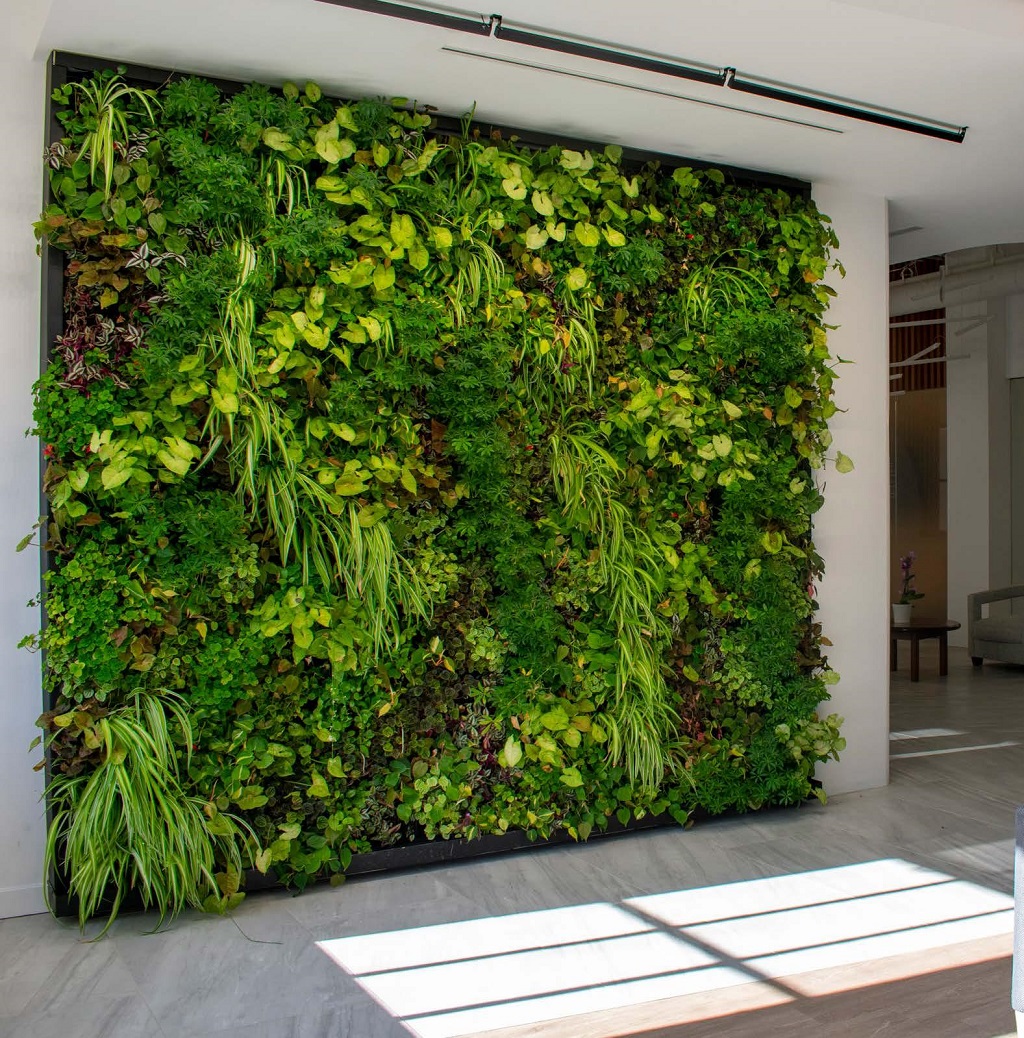
Vertical gardening utilizes vertical space to maximize your growing area. This ingenious approach offers a plethora of benefits for urban gardeners:
- Space Efficiency: By utilizing walls, fences, or even balconies, vertical gardens allow you to cultivate a surprising amount of vegetables in a minimal footprint.
- Improved Accessibility: Vertical gardens elevate your plants, making them easier to tend to, especially for those with mobility limitations.
- Aesthetics and Ambiance: Vertical gardens transform your space, adding vibrant greenery and a touch of nature to your urban oasis.
- Boosted Yields: Properly planned vertical gardens can sometimes even yield more vegetables than traditional ground-level gardens, thanks to optimized space utilization.
Choosing the Right Vertical Gardening System
The beauty of vertical gardening lies in its versatility. Numerous systems cater to different needs and aesthetics. Let’s explore some popular options:
- Wall Pockets: Simple and affordable, wall pockets are perfect for herbs and small leafy greens. They can be fabric pouches, wooden crates, or even repurposed containers.
- Vertical Planters: Free-standing planters with multiple tiers allow you to stack your veggies vertically. They are ideal for balconies or patios.
- Trellises and Climbing Plants: Certain vegetables like tomatoes, cucumbers, and beans thrive on climbing structures. Utilize trellises or create a vertical grid using wires or strings.
- Hanging Baskets: Suspended baskets are a charming option for cascading plants like cherry tomatoes or strawberries.
- Hydroponics: For the tech-savvy gardener, hydroponic systems eliminate the need for soil, utilizing a nutrient-rich water solution to grow your vegetables.
Cultivating Success in Your Vertical Veggie Garden
Now that you’ve chosen your system, let’s delve into the essentials for a thriving vertical veggie haven:
- Sunlight: Most vegetables require adequate sunlight. Assess your space and choose sun-loving vegetables for areas with ample sunlight, while opting for shade-tolerant varieties for more limited light conditions.
- Selecting the Right Plants: Not all vegetables are suited for vertical gardens. Choose compact, determinate varieties that don’t require extensive root space. Leafy greens, herbs, cherry tomatoes, peppers, and bush beans are all excellent choices.
- Optimizing Soil or Media: For traditional soil-based systems, use a lightweight, well-draining potting mix. Hydroponic systems require specific nutrient solutions tailored to the chosen vegetables.
- Watering Wisely: Vertical gardens can dry out quickly. Monitor moisture levels and water regularly, especially during hot weather.
- Providing Support: Stake taller plants or those prone to vining for proper support and growth. Utilize tomato cages, trellises, or twine as needed.
- Pollination Considerations: Some vegetables require insect pollination. If your balcony lacks pollinators, consider hand-pollinating your plants using a small paintbrush.
Beyond the Basics: Tips for Vertical Veggie Gardening Success
- Composting: Utilize kitchen scraps and yard waste to create nutrient-rich compost for your vertical garden.
- Companion Planting: Research companion planting techniques. Planting certain herbs or flowers alongside your vegetables can deter pests and promote beneficial insect populations.
- Season Extension: Utilize row covers or mini greenhouses to extend your growing season, allowing you to enjoy fresh produce for longer.
- Vertical Gardening Indoors: Vertical gardens aren’t limited to outdoor spaces. Utilize sunny windowsills or invest in grow lights to cultivate herbs and greens indoors year-round.
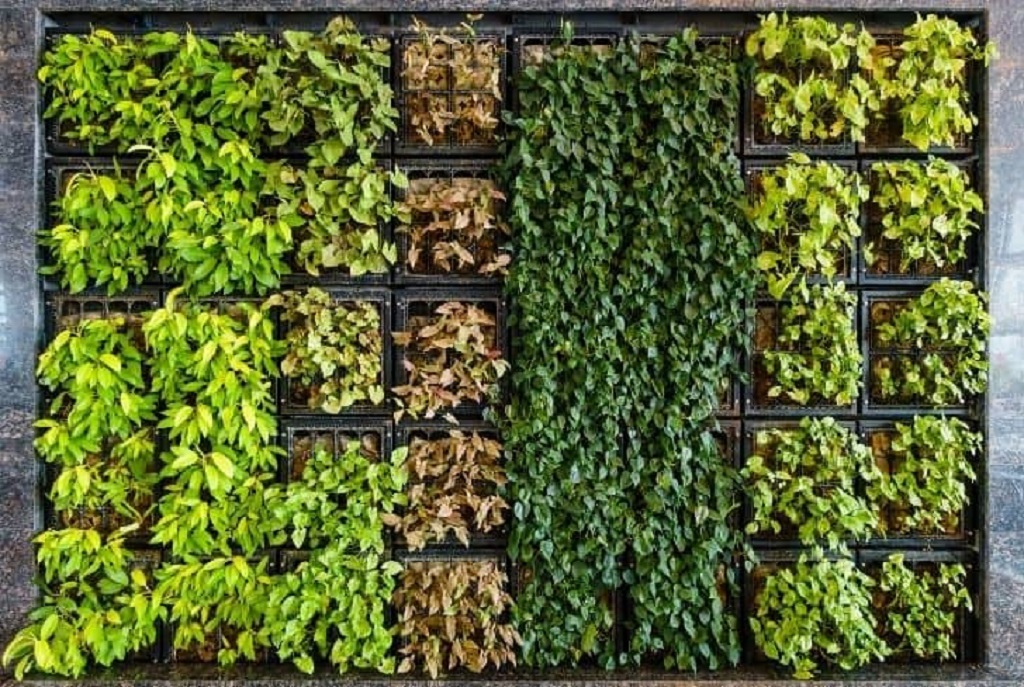
Vertical Veggies: A Sustainable Urban Solution
Vertical gardening isn’t just about cultivating delicious vegetables; it’s a sustainable practice with numerous benefits:
- Reduced Environmental Impact: Vertical gardens minimize the need for extensive land use and often involve less water compared to traditional gardens.
- Improved Air Quality: Plants act as natural air filters, purifying the air in urban environments.
- Enhanced Community Spirit: Vertical gardens can transform dull building facades and create vibrant community spaces.
Related: Stress Relief through Indoor Gardening: Cultivating Calm in Your Living Space
Embrace the Vertical Revolution
Vertical gardening empowers urban dwellers to cultivate their fresh produce, fostering a connection with nature and promoting a more sustainable lifestyle. With a little planning and the right approach, even the most compact balcony or cramped backyard can transform into a flourishing oasis teeming with life. So, embrace the vertical revolution, grab your gardening gloves, and watch your urban veggie haven thrive!