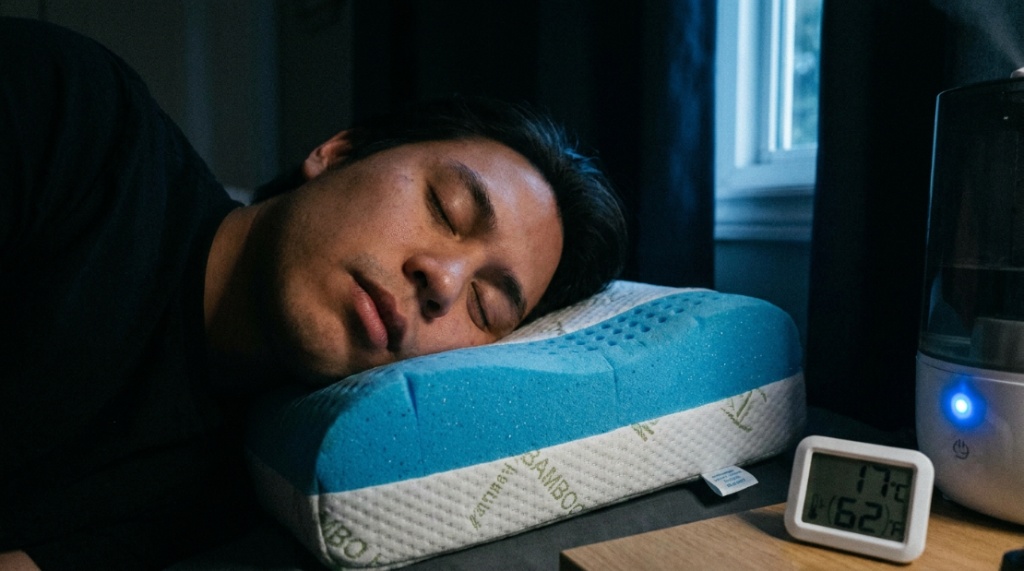
If you’re a hot sleeper, you know the struggle: you flip your pillow to find the cool side, only to have it warm up again within minutes. Memory foam often gets blamed for trapping heat, but modern cooling memory foam pillows are engineered to solve that exact problem. The key is understanding which cooling technologies actually work and which are just marketing buzzwords. This guide breaks down what makes a memory foam pillow genuinely cool, what features matter most, and how to choose one that aligns with your sleep position and preferences. We’ll also help you navigate the difference between gel-infused foams, phase-change materials, and breathable covers so you can make a confident investment in better sleep
Key Takeaways
- Not all “cooling” memory foam pillows are the same—gel infusions and phase-change materials work differently, and breathable covers are just as important as the foam core.
- Side sleepers, back sleepers, and stomach sleepers need different loft (thickness) and firmness levels to maintain proper spinal alignment, even in a cooling pillow.
- A pillow’s cooling ability depends heavily on its cover fabric and whether the foam uses open-cell or aerated construction for airflow.
- Memory foam’s heat retention can be significantly reduced by hybrid designs that combine foam with shredded fill or cooling gel layers, but each design has trade-offs in support and durability.
- Look for certifications like CertiPUR-US® for foam safety, and pay attention to firmness ratings and return policies since comfort is highly personal.
Why Memory Foam Makes You Hot (and How Cooling Tech Fixes It)
Traditional memory foam is made from a viscoelastic material that responds to body heat. It softens where you touch it to contour around your head and neck. That same heat-absorbing quality is exactly what makes standard foam pillows sleep warm. The material is dense, and the cells are closed, which restricts airflow compared to down or polyester fill.
Cooling memory foam pillows address this problem by changing the foam’s structure or materials. There are three primary active methods used today: gel infusion, phase-change materials (PCM), and improved foam structure through open-cell or aerated designs.
However, many shoppers make the common mistake of assuming that a blue gel layer automatically means a cooler pillow. In reality, the technology matters more than the color. If you are evaluating best cooling memory foam pillows, understand that effective options often combine passive cooling elements with active ones that draw heat away from your head rather than just conducting it.
Understanding the Three Main Types of Cooling Memory Foam
Cooling memory foam pillows are not a one-size-fits-all category. Understanding the three distinct methods below will help you filter through marketing claims effectively.
Gel-Infused Memory Foam
This is the most common and frequently misunderstood type. Gel infusions can work in one of two ways. The first is a gel bead infusion mixed into the foam to break up the dense cell structure, theoretically increasing airflow. The second is a gel pad layered on top of a foam core. A true cooling gel pad physically pulls heat away from your skin, leaving the surface feeling cooler. However, the aluminum or copper beads in some pillows are conductive—they absorb heat quickly but may dissipate it less efficiently. If you are a “freezer sleeper” who prefers an intensely cold touch, a gel pad is generally more effective than gel-infused foam, which often feels only marginally cooler than traditional foam once broken in.
Phase-Change Materials (PCM)
PCMs are among the most advanced cooling technologies. These materials undergo a physical change when exposed to heat—they change from a solid to a liquid state, absorbing heat during the process. A pillow with a true phase-change layer actively pulls heat away from your head and body. When you get up, or as your temperature regulates, the material solidifies again and is recharged for the next use. Pillows labeled with brands like Outlast or 37.5® technology usually contain PCM particles. These are highly effective, but they also add significant cost to the pillow. A genuine PCM-infused pillow will feel distinctively cool regardless of the room’s ambient temperature, whereas basic gel just conducts heat at the same rate as the surrounding air.
Open-Cell and Aerated Foam
This isn’t about an added cooling layer but about the foam’s structure. Open-cell foam disrupts the standard closed-cell structure, allowing more air circulation. Aerated foam pillows often have visible holes or dimples in the foam base. This permits heat to escape and fresh, cooler air to flow in as you move. While this is excellent for airflow, it can sometimes compromise the dense, contouring support that some sleepers crave from memory foam. For hot sleepers who prefer a deeper “hug” feel, an open-cell foam with a cover designed for ventilation is often the sweet spot.
Choosing the Right Fill and Firmness for Your Sleep Position
Cooling technology is useless if the pillow does not support your neck properly. Your sleep position is the most critical factor in determining loft and firmness, and it also impacts which cooling design will feel best.
Best Options for Side Sleepers
Side sleepers need a higher loft (thickness) to fill the space between their ear and the outside of their shoulder. Also, firmer is usually better for side sleepers to keep the head from sinking and misaligning the spine. However, a dense firm foam on a hot sleeper’s face can feel suffocating. Look for a high-loft cooling pillow that is also perforated or aerated. This combination keeps the head supported high enough while permitting airflow to the face and cheek. Some brands offer a “cooling side” with a zipper to adjust the fill, which is practical because the height between a firm and soft side can differ by an inch.
Best Options for Back Sleepers
Back sleepers benefit from a medium loft and medium firmness. The pillow should support the natural curve of the neck without pushing the head too far forward. Shredded memory foam blends are excellent for back sleepers, as they allow you to redistribute the fill to find your perfect height. These usually recommend shredding the foam into smaller pieces to provide a lighter, less heat-retaining feel than a solid slab of foam.
Best Options for Stomach Sleepers
Stomach sleepers sleep best on thin, soft pillows, sometimes none at all. This is where most memory foam pillows fail—they are too thick. A low-profile cooling memory foam pillow (about 2 inches thick) or even a “cooling neck roll” that is used sparingly is more appropriate. If you sleep on your stomach and cannot use a thin pillow, prioritize a soft, pliable foam that won’t force your neck backward.
The Crucial Role of the Pillow Cover
Many people spend hundreds of dollars on a specialized foam core but ignore the cover, which is a crucial error. The cover has the most significant direct contact with your skin. A polyester cover over a cool foam core will feel synthetic and trap heat. At a minimum, look for a cover with a high cotton thread count (for breathability) or a manufacturer-recommended cooling fabric.
There are several cover materials currently popular in the market:
- Tencel (Lyocell): Made from eucalyptus wood pulp, this fabric is highly breathable, wicks moisture, and feels smooth and cool to the touch.
- Bamboo-derived rayon: Soft and breathable, although its production process is more chemically intensive than Tencel. It offers a solid moisture-wicking performance.
- Aluminum-coated or cooling polymer strips: These are highly conductive and create a noticeable cool-to-the-touch feel. For hot sleepers, this immediate cooling sensation can be worth the extra material cost.
Always check if the cover is removable and machine washable. Washing removes the oils and salts that degrade foam fibers. A breathable cover also does double duty—it keeps your pillow clean longer and prevents the top layer of foam from absorbing skin oils, which clogs the open-cell structures. A pillow cover can make or break your quest for the best cooling memory foam pillows for your personal comfort.
Evaluating Firmness, Support, and Lifespan
When you read pillow reviews, you often see “comfort level” ratings, which can be subjective. In the category of cooling memory foam, having a clear expectation of firmness is essential.
- Soft: Best for stomach sleepers and those switching from down pillows.
- Medium: The ideal middle ground, often suited for back sleepers. Provides a balance of contour and buoyancy.
- Firm/Extra Firm: Usually best for side sleepers of average to substantial body mass.
Comparing Popular Cooling Memory Foam Designs
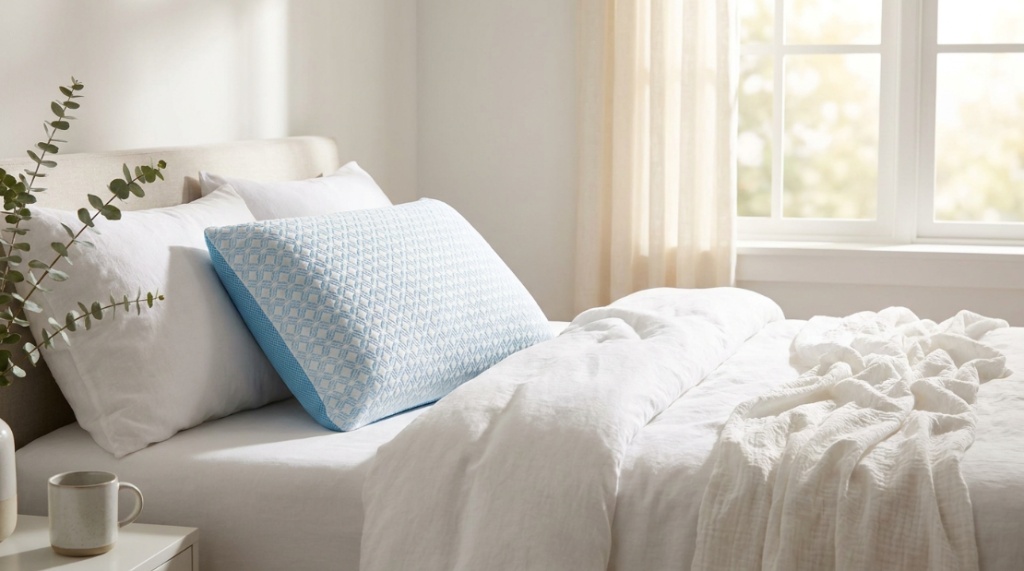
To help you evaluate your options, here is a clear comparison of common cooling memory foam constructions:
| Design Type | Cooling Mechanism | Best For | Potential Drawback |
|---|---|---|---|
| Classic Solid Gel-Infused Foam | Uses embedded gel to pull heat away; good for mild heat retention. | Budget-conscious shoppers seeking a standard memory foam “hug.” | Does not cool as effectively as open-cell foam for very hot sleepers. |
| Open-Cell/Aerated Foam | Promotes natural airflow through the foam’s internal structure. | Sleepers who want contoured support without sleeping “in” a heat sink. | Less deep-conforming than dense, solid foam. |
| Graphite/Copper-Infused | Conductive metals spread heat away from the head to cooler surfaces. | Those who find “sticky” or rubbery foam uncomfortable. | Feels less plush; the metal may absorb some heat from the room. |
| Hybrid (Foam + Shredded Fill) | Less density equals less heat retention; allows for airflow between fill pieces. | Sleepers who like adjustable loft and a slightly soft, malleable feel. | Settles over time; side sleepers may find it lacks support. |
| Phase-Change Top Layer | Actively regulates temperature by absorbing and releasing heat. | True “hot sleepers” who sweat profusely and need consistent cooling. | Premium pricing at check-out; sometimes loses effect over years. |
Common Mistakes to Avoid When Buying
Even with advanced tech in mind, shoppers frequently make a few obvious errors when comparing comfort types. Avoiding these will save you time and returns:
Mistake #1: Prioritizing the “Cool Touch” Over the Core
A pillow feels cold for the first two minutes because the cover is cool. But your hand (or head) heats that spot up quickly. Unless the core actively dispels heat, the “cool” effect fades. To test this, read the manufacturer’s specs for the foam density. A foam density below 3 lbs often indicates a more breathable but less supportive pillow. Do not buy based on the initial skin sensation provided by a soft cover.
Mistake #2: Ignoring the “Break-In” Period
Memory foam often does not feel supportive the first night. It can feel shockingly firm because it is unyielding in a cold room. Many of the best cooling mattresses and pillows come with instructions to allow 24-72 hours for the foam to expand to full loft. If you sleep in a cold home, expect your memory foam pillow to feel extra stiff on night one. Giving up after one night may lead you to return what could have been a great pillow after a week of adaptation, If you also love relaxing in bed with a good book, check out our guide on choose the best reading pillow in pa to complete your ultimate sleep and relaxation setup.
Mistake #3: Skipping the Warranty and Return Policy
Because comfort is highly subjective, riskier than any cooling pad is buying a pillow with a poor return policy. Choose brands that offer at least 30 nights of trial. Testing the pillow for at least a week is non-negotiable before you decide whether it is the right one for your sleep.
Frequently Asked Questions
What is the difference between a gel pillow and a memory foam pillow?
Gel often refers to a viscoelastic foam that has been infused with gel beads to make it cooler. Just like traditional memory foam, it will shape to your head. The main difference is that standard memory foam is denser and warmer, while gel memory foam is designed to be slightly more breathable and to conduct heat away from your head.
Are cooling memory foam pillows guaranteed to stop night sweats?
No. Cooling memory foam pillows can significantly help regulate temperature, but the type of bedding, your pajamas, room temperature, and personal sleep hygiene all affect night sweats. If your sweating is excessive or linked to medical issues, address those factors first and use a cooling pillow as complementary support.
How long do cooling memory foam pillows last?
Most high-quality memory foam pillows have a lifespan of 18 months to 3 years. A noticeable decrease in support, the presence of permanent flat spots, or a yellowing of the foam indicates it has reached the end of its life and should be replaced.
Should I choose a solid foam or a shredded memory foam for airflow?
Shredded foam allows for more external airflow because of the spaces between the pieces, but it often lacks the dense contouring support and pressure relief of solid foam. If you prioritize breathability and adjustability, choose shredded. If you prioritize neck support, choose solid foam and look for aerated holes.
Can I wash my cooling memory foam pillow in the washing machine?
Never wash a solid memory foam core in a machine. The agitation and water will ruin the structural integrity. Most manufacturers recommend spot-cleaning with a damp cloth and mild detergent. If your pillow has a removable, machine-washable cover, wash the cover only.
What does “CertiPUR-US® certified” mean for a memory foam pillow?
It is a certification program that verifies foam has been independently tested for specific content, including low emissions (VOCs), and is free from heavy metals, phthalates, and formaldehyde. This is a good indicator of foam quality and safety.
Conclusion
Choosing the best cooling memory foam pillow is about more than just picking the coolest-feeling one at the store. It requires balancing the correct loft and firmness for your sleep position with active cooling technologies like phase-change materials or aerated cores. Prioritize a breathable, washable cover and certify that your foam is free from harmful chemicals. Pay attention to trial periods and use them. A pillow intended to solve your heat issue might feel slightly different than expected on the first night. With the insights outlined in this guide, you are ready to make an informed purchase and finally get the cool, restful sleep your body wants.