
Our homes are sanctuaries – places of comfort, relaxation, and inspiration. But did you know that the colors we choose for our walls can significantly impact the mood and atmosphere of a space? Understanding color psychology, the study of how colors affect our emotions and behaviors can empower you to create a home that reflects your personality and cultivates the desired energy in each room.
This guide delves into the fascinating world of color psychology, exploring how different colors influence our mood and how you can use this knowledge to transform your home’s atmosphere. Whether you’re a seasoned decorator or simply seeking a fresh perspective, this article will equip you to paint a pretty picture with color in your home.
The Science Behind the Palette: Understanding Color Psychology
Color psychology is a complex but well-established field. Our brains process colors subconsciously, triggering emotional responses and influencing our behavior. Here’s a basic breakdown of the psychology behind some key colors:
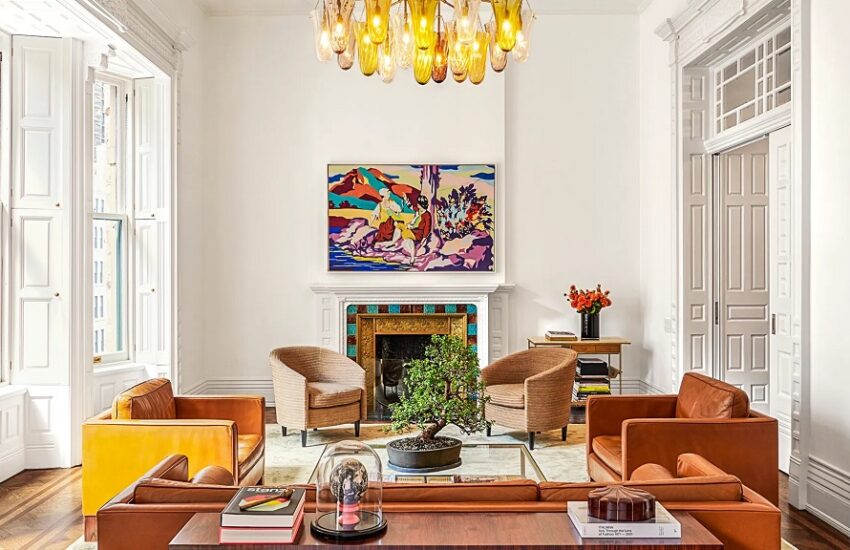
- Warm Colors: Reds, oranges, and yellows are often associated with energy, warmth, excitement, and passion.
- Cool Colors: Blues, greens, and purples evoke feelings of calmness, peace, relaxation, and tranquility.
- Neutrals: Whites, grays, and beiges offer a sense of neutrality, cleanliness, and simplicity.
It’s important to remember that color perception is subjective and can be influenced by cultural background and personal experiences.
Painting Your Mood: Choosing Colors for Different Rooms
Knowing the psychology of colors allows you to strategically use them to create the desired mood in each space:
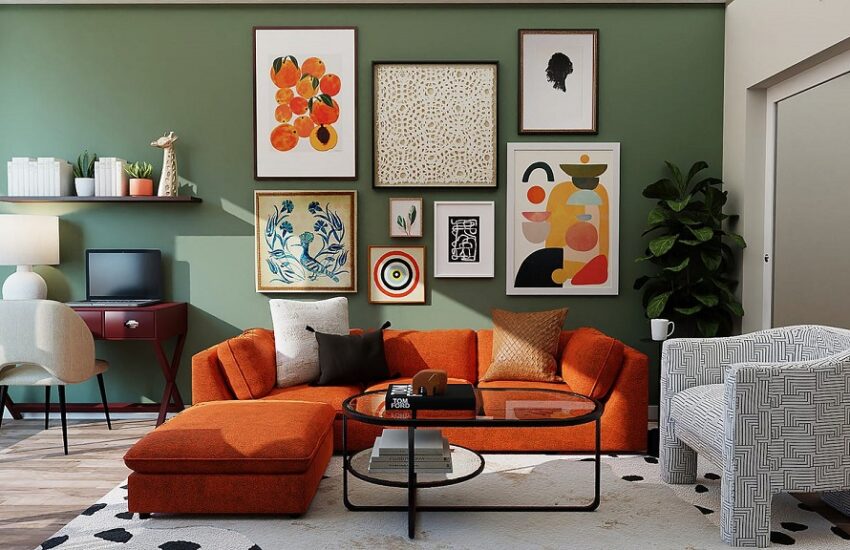
- Living Room: As a communal space, the living room can benefit from warm or cool colors depending on your desired atmosphere. Consider warm tones like light orange or yellow for a lively gathering space, or cooler blues or greens for a more serene environment.
- Bedroom: This is your haven for relaxation, so opt for cool colors like calming blues, lavenders, or soft greens. These colors promote feelings of peace and tranquility, ideal for restful sleep.
- Kitchen: The kitchen is often a hub of activity and creativity. Warm colors like sunny yellows or light oranges can stimulate energy and conversation, while cooler greens can create a sense of balance and promote healthy eating habits.
- Bathroom: Similar to the bedroom, bathrooms should promote relaxation. Consider calming blues, greens, or even light neutrals for a spa-like retreat.
- Home Office: For a productive workspace, consider cool, invigorating colors like blues or light greens. Accents of yellow can stimulate creativity, while a calming neutral can create a sense of balance.
Remember, these are just starting points! Experiment and consider the overall feel you want to create in each space.
Beyond the Basics: Exploring Color Nuances and Combinations
Color psychology goes beyond just primary colors. Here are some additional factors to consider when choosing paint colors:
- Shades and Tints: The lightness or darkness of a color can significantly impact its effect. Light shades of warm colors can be energizing, while darker shades can create a more sophisticated mood.
- Color Combinations: Don’t be afraid to combine colors! Use a dominant color for most of the walls and a contrasting or complementary color for an accent wall or trim. Consider color theory tools like color wheels to find harmonious combinations.
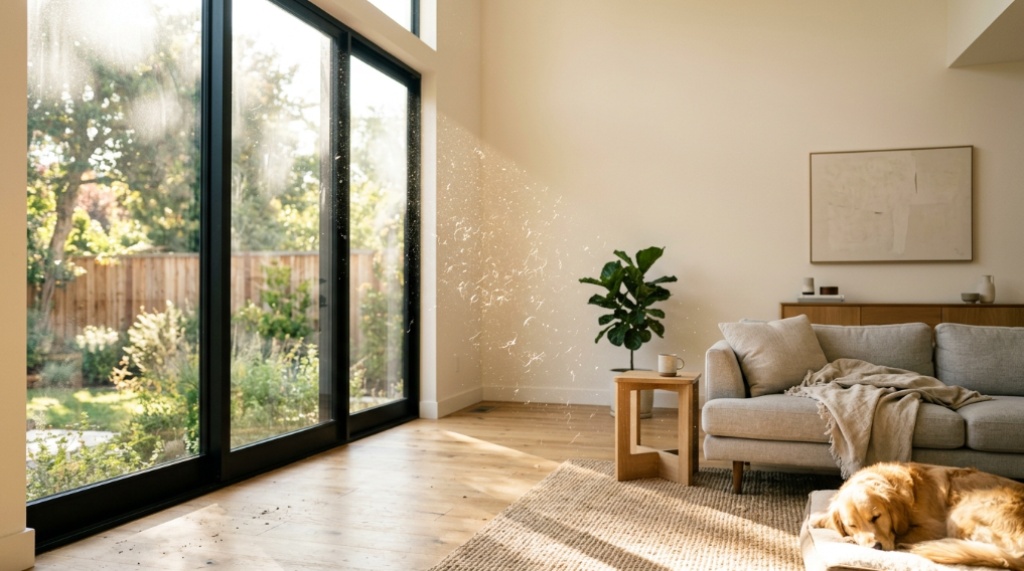
- Lighting: The type and amount of light in a room can affect how colors appear. Natural light tends to make colors appear brighter, while artificial light can cast a warmer or cooler tone.

Putting Knowledge into Action: Practical Tips for Color Selection
Here are some practical tips to help you choose the right colors for your home:
- Gather Inspiration: Browse magazines, online décor websites, or even nature for color inspiration. Create a mood board to visualize different color combinations.
- Test Before You Invest: Purchase paint samples and apply them to your walls in different lighting conditions to see how they look and feel in the space.
- Consider Furniture and Decor: Think about how your existing or planned furniture and décor will complement the chosen paint colors.
- Seek Expert Advice: Consider consulting with an interior designer or color consultant for personalized recommendations based on your space and preferences.
A Spectrum of Well-Being: Creating a Home that Reflects You
Color psychology offers a powerful tool to create a home that reflects your personality, promotes well-being, and meets the unique needs of each space. By understanding the emotional impact of colors and applying these insights creatively, you can transform your home from a simple living space into a sanctuary that uplifts your mood and inspires you to thrive.
Bonus Tips:
- Don’t Be Afraid to Be Bold: If you love a vibrant color, consider using it in a smaller space like a powder room or guest bathroom for a statement piece.
- Embrace the Power of Accents: Don’t underestimate the power of colorful throw pillows, rugs, artwork, and other decorative elements to add pops of color and personality to a neutral space.
- Let There Be Light: Maximize natural light whenever possible. Natural light can enhance the beauty of any color and create a more inviting atmosphere.
- Revisit and Refresh: Our tastes and needs evolve. Don’t be afraid to revisit your color choices and refresh your space with new paint or accents as needed.
Related: Color Clash or Masterpiece: Decoding the Art of Using Bold Colors at Home
By embracing the power of color psychology and unleashing your creativity, you can transform your home into a vibrant reflection of your inner world, a place that not only looks beautiful but also feels like a true extension of yourself. So, grab your paintbrush (or color swatches!), unleash your inner artist, and start painting a pretty picture in your home!