
Imagine the scenario: a sudden downpour reveals a leaky roof, a clogged gutter overflows during a spring thaw, or a burst pipe greets you on a cold winter morning. These disasters, while stressful and inconvenient, can often be prevented through proactive home maintenance.
This guide equips you with the knowledge and practical steps to tackle essential DIY home maintenance tasks. By dedicating a little time and effort, you can significantly reduce the risk of costly repairs and ensure a safe and comfortable living environment.
Building a Foundation of Awareness: Understanding Your Home’s Systems
The first step towards effective disaster prevention is understanding the different systems that make your home function. Here’s a breakdown of some key areas to focus on:
- Plumbing System: Familiarize yourself with the location of your main shut-off valve, which allows you to isolate the water supply in case of a leak. Regularly inspect pipes for signs of wear or corrosion.
- Electrical System: Avoid overloading electrical outlets and inspect wiring for any signs of damage or fraying. Leave electrical repairs to licensed professionals.
- Roof and Gutters: Schedule regular inspections of your roof for missing or damaged shingles, and ensure your gutters are free of debris to prevent water overflow and potential damage to your foundation.
- Foundation and Exterior Walls: Look for cracks in walls or the foundation, especially after heavy rain or seismic activity. Address any concerns promptly.
- Heating and Cooling Systems: Schedule annual maintenance for your heating and cooling systems to ensure optimal efficiency and prevent potential breakdowns.
Essential DIY Home Maintenance Tasks
Now that you have a basic understanding of your home’s systems, let’s delve into specific DIY tasks to prevent costly repairs:
- Plumbing Maintenance: Twice a year, flush your water heater to remove sediment buildup that can reduce efficiency and shorten its lifespan. Regularly inspect for leaks around faucets, pipes, and connections under sinks and behind appliances.
- Gutter Cleaning: Clean your gutters at least twice a year, particularly before the fall season when leaves accumulate. This prevents water overflow that can damage your roof and foundation.
- Roof Maintenance: While major roof repairs require professional help, you can conduct visual inspections for missing or damaged shingles. Minor repairs like loose shingles can sometimes be addressed as a DIY project.
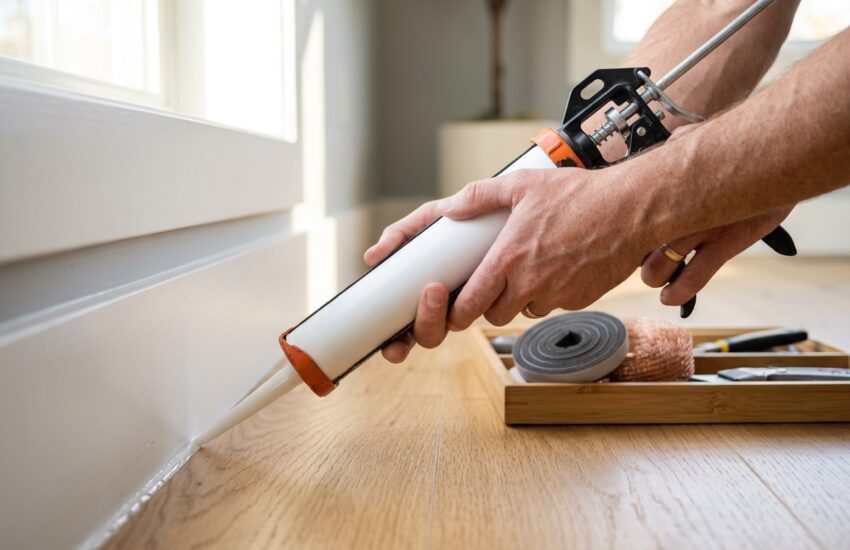
- Sealing and Caulking: Over time, caulking around windows, doors, bathtubs, and sinks can crack and deteriorate. Regularly inspect and re-caulk these areas to prevent water leaks and drafts.
- Smoke and Carbon Monoxide Detector Maintenance: Test your smoke and carbon monoxide detectors monthly and replace batteries according to the manufacturer’s recommendations.
- Fire Extinguisher Check: Ensure your fire extinguisher is properly charged and readily accessible in case of emergencies.
Investing in Preventative Measures: Small Steps, Big Impact
While DIY projects can address some issues, certain preventative measures are crucial for safeguarding your home:
- Water Pressure Gauge: Install a water pressure gauge to monitor your home’s water pressure. High pressure can lead to pipe leaks and damaged fixtures.
- Vacuum Cleaner Maintenance: Regularly clean or replace the filter in your vacuum cleaner to prevent overheating and potential fire hazards.
- Appliance Maintenance: Consult your appliance manuals for recommended maintenance tasks, such as cleaning refrigerator coils or dryer vents to enhance efficiency and prevent breakdowns.
- Tree Trimming: Overhanging tree branches can damage your roof during storms. Schedule regular trimming to maintain a safe distance from your home.
Going Beyond DIY: When to Call a Professional
While DIY maintenance is empowering, some tasks require the expertise of licensed professionals:
- Major electrical repairs: Leave electrical work to qualified electricians to avoid safety hazards.
- Extensive plumbing issues: For complex plumbing repairs or clogged drains that resist DIY solutions, call a licensed plumber.
- Roof Repairs: If your roof requires significant repairs beyond minor shingle replacements, consult a qualified roofer to ensure proper installation and avoid further damage.
- Structural Issues: Cracks in foundation walls or structural concerns require the expertise of a structural engineer to assess the situation and recommend solutions.
Building a Culture of Maintenance: Consistency is Key
Effective home maintenance isn’t a one-time event; it’s an ongoing process. Develop a schedule for regular inspections and maintenance tasks. Consistency is key to preventing small issues from snowballing into expensive repairs.

The Rewards of Proactive Maintenance: Peace of Mind and Savings
By incorporating these DIY tasks and preventative measures into your routine, you’ll be well on your way to preventing costly repairs and safeguarding your home. The benefits are numerous:
- Reduced Repair Costs: Catching minor issues early translates to significant savings in the long run compared to addressing major repairs later.
- Enhanced Safety: Regular maintenance reduces the risk of accidents due to electrical malfunctions, water leaks, or structural problems.
- Improved Efficiency: Maintaining your heating, cooling, and plumbing systems ensures they function optimally, potentially lowering your utility bills.
- Increased Home Value: A well-maintained home is not only safer and more comfortable, but it also holds a higher market value should you ever decide to sell.
- Peace of Mind: Knowing you’ve taken proactive measures to prevent disasters gives you peace of mind and allows you to focus on enjoying your home.
Related: How much does Swimming Pool Maintenance Cost for a House Owner This Year
A Final Note: Empowering Yourself as a Homeowner
Taking charge of your home’s maintenance empowers you to identify potential issues early and address them effectively. While some tasks require professional expertise, many DIY projects can be tackled with a little research and the right tools.
The internet offers a wealth of resources, including instructional videos and detailed guides. Additionally, local hardware stores often host workshops or classes that can equip you with valuable skills.
Remember, even a small investment of time and effort can prevent major headaches and costly repairs down the road. So, grab your toolbox, embrace the spirit of proactive maintenance, and watch your home flourish as a safe, comfortable, and disaster-resistant haven.
You May Like
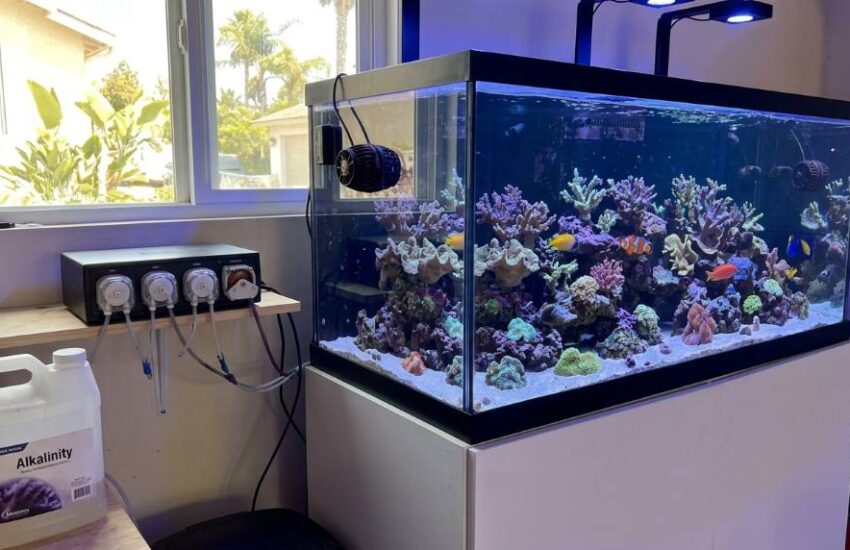
Why Alkalinity Crashes in San Diego, CA