Key Takeaways:
- Native gardens are beneficial for local ecosystems and require less maintenance.
- Understanding your region’s climate and soil improves plant selection.
- Incorporating native plants supports wildlife and diminishes environmental threats.
- Planning, design, and care are crucial for a flourishing native garden.
- Learn from resources and experts to enhance your gardening skills.
Why Choose a Native Garden?
Creating a native garden is a choice that holds significant rewards for the gardener and the local environment. Native gardens support biodiversity by catering to regional wildlife needs and allow for ease of maintenance due to plants’ natural adaptation to local conditions. This means less watering, fewer fertilizers, and minimal pest control. Utilizing a knowledgeable garden center can be instrumental in accessing the best plant varieties suited to your region. Access to expert advice ensures that the plants you select will thrive in their specific environment, reducing the need for intensive care.
Integrating native plants into your area contributes to environmental conservation by reducing erosion, reducing water use, and providing habitats for wildlife. These plants minimize the spread of invasive species, preserving ecological balance. Fostering native plant gardens is vital for conservation efforts, maintaining the delicate balance between flora and fauna.
Researching Local Plant Varieties
Research is crucial for a successful native garden, as it helps understand the local ecosystem’s conditions, such as temperature, rainfall, soil type, and sunlight exposure. Resources like articles on native plants provide valuable information, while extension services and community workshops offer more profound insights. A local garden center, horticultural societies, and neighbors can also provide firsthand knowledge. Online databases and mobile apps can help identify plants in natural settings. Understanding these plants’ habitats allows for successful growth and sustainability in your garden, ensuring successful development and sustainability.
Designing Your Native Garden
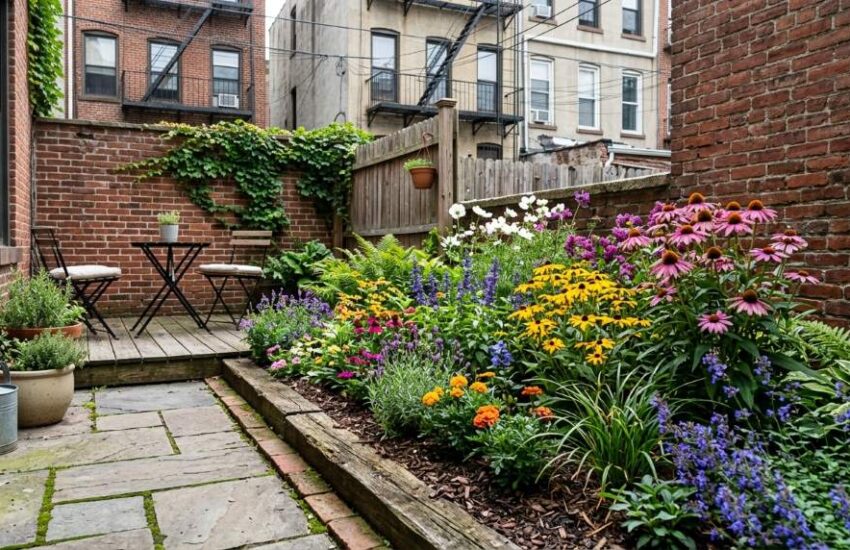
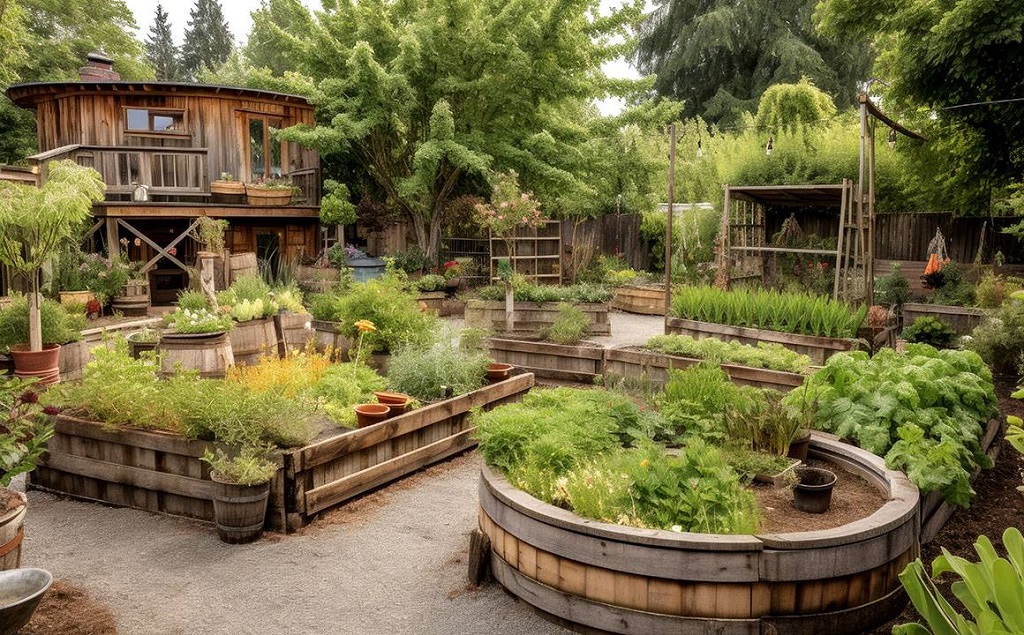
Designing a native garden involves careful planning to optimize aesthetic appeal and ecological impact. Map the area and consider sunlight exposure, water drainage patterns, and existing plants. Arrange plantings to suit the space’s characteristics, including water features, rock gardens, and meandering paths. Choose plants with diverse textures, colors, and seasonal interests, and group similar plants together for easier maintenance. This strategy enhances the garden’s appearance and reduces maintenance time and resources.
Best Practices for Planting
Planting native species requires careful timing and technique to establish a strong foundation for growth. Space plants appropriately for mature growth and adequate air circulation to prevent disease. Plant at the correct depth for effective root anchoring. Watering is essential initially, but native species eventually require less due to their natural adaptations. Mulching around the plant base helps retain soil moisture and suppress weeds, reducing maintenance needs. Amending the soil with organic matter can benefit plants, as native species prefer nutrients from naturally present soil.
Routine Maintenance Tips
Maintaining your native garden involves regular tasks like weeding, removing invasive species, using mulch, pruning to promote plant health, and testing the soil for nutrient imbalances. This proactive approach ensures the garden remains resilient against pests and environmental changes, showcasing the sustainability inherent to native plant systems. Frequent weeding reduces competition for light and nutrients, and mulch retains moisture and gives the area a tidy, organic look. Organic fertilizers are also used when possible.
Engaging with the Gardening Community
- Take part in local gardening workshops where experts share practical and theoretical knowledge.
- Join a native plant society to connect with fellow enthusiasts who can offer support and swap plants.
- Engage in community gardening projects to find camaraderie and exchange experiences with like-minded individuals.
These community engagements enrich your knowledge and foster a network of resources and support that can prove invaluable, especially when troubleshooting gardening challenges or looking to expand your horticultural endeavors.
Resources and Learning Opportunities
Cultivating a native garden is enhanced through access to comprehensive resources. Books authored by botanists and ecologists can provide intricate knowledge of plant species and sustainable practices. Websites dedicated to native gardening, such as those run by non-profit conservation organizations, offer forums and articles for deeper learning.
These resources, such as the native plant gardening guide, provide a wealth of knowledge not only on how to grow a native garden but also on the underlying ecological principles and benefits that make this approach so impactful. Continual learning and adaptation are essential to personal and planetary well-being.
Cultivating a Sustainable Landscape
Native gardening is a sustainable approach to gardening that combines human creativity with nature’s innate processes. It involves careful planning, design, and learning to create a resilient landscape that supports the planet’s ecological fabric. By nurturing a native garden, one contributes to broader sustainability goals, creating an aesthetically pleasing space and a harmonious future where people and nature thrive. This fulfilling choice is a testament to the sustainable balance between human creativity and nature.