Urban gardening has become a practical and rewarding way to bring greenery into dense city environments like Brooklyn, NY. In fact, over 35% of urban households in the United States now engage in some form of home gardening, and small-space gardening is growing faster than traditional gardening. Many Brooklyn residents are turning to compact flower beds to enhance aesthetics and improve air quality around their homes. While exploring plant care, you might also come across guides like how to prune hyacinth plants correctly, which can support better blooms even in tight spaces. This article focuses on practical, location-specific strategies to help you build thriving small flower beds in Brooklyn’s urban landscape.
Understanding Brooklyn’s Urban Gardening Environment
Brooklyn presents a unique mix of opportunities and constraints for gardeners working with small flower beds. The borough experiences a humid subtropical climate with cold winters and warm summers, which directly impacts plant selection and care routines. Additionally, urban heat islands can make temperatures slightly higher than surrounding rural areas, affecting soil moisture levels. Limited space, shade from buildings, and air pollution also influence plant health and growth patterns. Therefore, understanding these environmental factors helps you make smarter gardening decisions from the start.
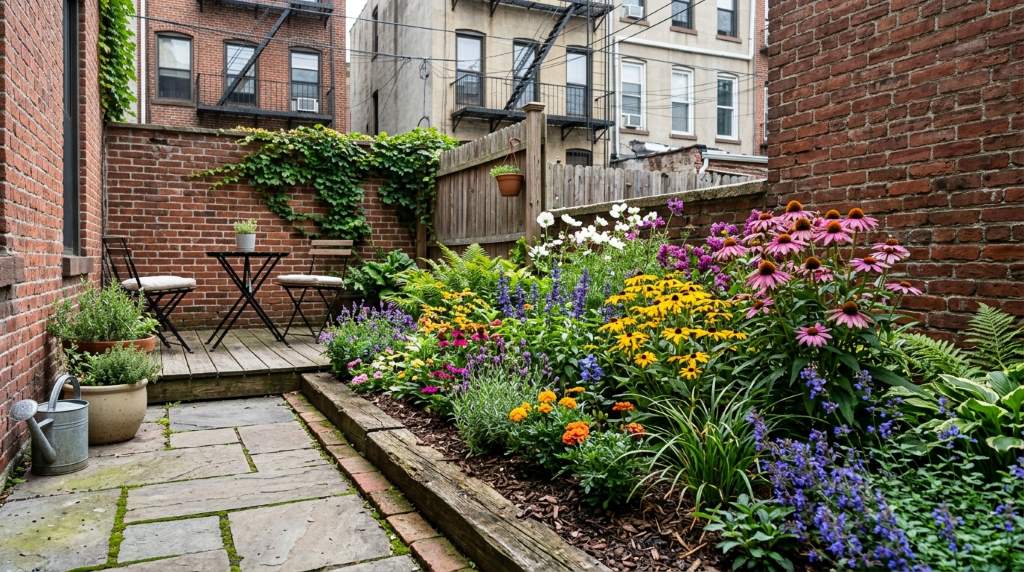
Small flower beds in Brooklyn often exist in tight spaces such as sidewalks, rooftops, balconies, and backyard corners. These spaces require careful planning to maximize both visual appeal and plant health. Moreover, soil quality in urban areas can vary greatly, often requiring amendments or raised beds. Since space is limited, gardeners must prioritize efficiency in plant selection and layout. With the right approach, even a few square feet can turn into a vibrant and productive flower bed.
Choosing the Right Location for Small Flower Beds
Sunlight Exposure Matters
Sunlight plays a critical role in determining which plants will thrive in your flower bed. Most flowering plants require at least six hours of direct sunlight per day to bloom properly. However, Brooklyn’s dense buildings can create shaded pockets that limit sun exposure. In such cases, you should select shade-tolerant plants like impatiens or begonias. Observing sunlight patterns throughout the day helps you position your flower bed effectively.
Accessibility and Convenience
You should place your flower bed where you can easily access it for watering, pruning, and maintenance. Convenient placement encourages consistent care, which leads to healthier plants. Additionally, proximity to a water source simplifies irrigation, especially during hot summer months. Avoid placing beds too close to heavy foot traffic areas to prevent accidental damage. A well-placed bed balances visibility with practicality.
Preparing Soil for Urban Flower Beds
Urban soil often lacks the nutrients needed for healthy plant growth, so preparation is essential. Testing your soil can reveal deficiencies in pH, nitrogen, phosphorus, or potassium levels. Based on the results, you can amend the soil with compost, organic matter, or fertilizers. Raised beds are also a great option if native soil quality is poor or contaminated. They allow you to control soil composition more effectively.
Improving soil drainage is equally important for small flower beds. Poor drainage can lead to root rot and other plant diseases, especially in compact urban soils. Mixing sand or perlite into the soil can improve aeration and water flow. Additionally, mulching helps retain moisture while preventing weed growth. With proper soil preparation, your flower bed will have a strong foundation for healthy plants.
Selecting Plants for Brooklyn’s Climate
Native and Adaptive Plants
Choosing native plants offers several advantages for urban gardening in Brooklyn. Native species are naturally adapted to local climate conditions, making them more resilient and easier to maintain. Examples include black-eyed Susans, coneflowers, and New York asters. These plants require less water and are more resistant to pests and diseases. As a result, they are ideal for small flower beds with limited resources.
Seasonal Flower Selection
Seasonal planning ensures that your flower bed remains vibrant throughout the year. In spring, tulips and daffodils provide early color and energy. Summer brings options like zinnias and marigolds that thrive in heat and sunlight. For fall, chrysanthemums and ornamental kale add texture and depth. Rotating plants seasonally keeps your garden visually appealing and healthy.
Creative Layout Ideas for Small Spaces
Designing a small flower bed requires creativity and efficient use of space. Vertical gardening techniques can significantly increase planting area without expanding the footprint. Using trellises, wall-mounted planters, or tiered containers allows you to grow more plants in limited space. This approach works particularly well in Brooklyn’s compact environments. It also adds visual interest by creating layers and depth.
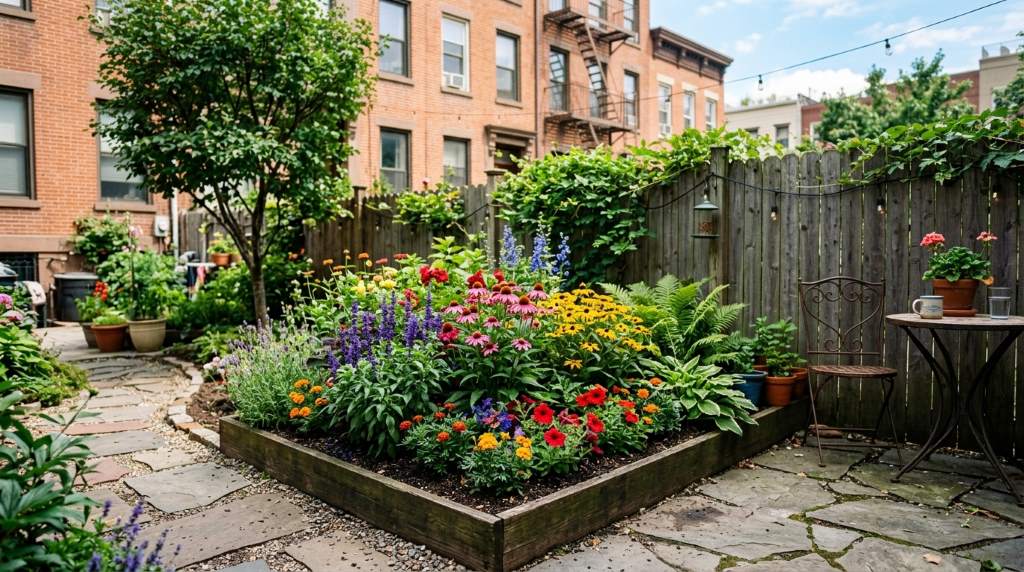
Another effective layout strategy involves grouping plants based on height and color. Place taller plants at the back and shorter ones at the front to create a structured appearance. Additionally, combining complementary colors enhances the overall aesthetic of your flower bed. Repeating patterns or themes can make even small spaces feel cohesive and intentional. Thoughtful design transforms a simple flower bed into a standout feature.
Container Gardening as an Alternative
Container gardening offers flexibility for those with extremely limited space. You can place containers on balconies, rooftops, or even window sills. This method allows you to control soil quality and move plants based on sunlight needs. Containers also reduce the risk of soil contamination common in urban environments. They are especially useful for renters who cannot modify permanent structures.
Choosing the right containers is essential for success. Ensure that pots have proper drainage holes to prevent waterlogging. Lightweight materials like plastic or fiberglass are easier to move and manage. Additionally, selecting containers of varying heights adds visual diversity to your garden. With proper care, container gardens can be just as productive as traditional flower beds.
Watering Techniques for Urban Gardens
Water management is crucial for maintaining healthy flower beds in Brooklyn. Urban environments often experience inconsistent rainfall patterns, making regular watering necessary. Early morning watering helps reduce evaporation and ensures plants receive adequate moisture. Drip irrigation systems can provide efficient and consistent watering. These systems are particularly useful for busy gardeners.
Overwatering can be just as harmful as underwatering, so balance is key. Checking soil moisture before watering helps prevent root damage. Additionally, using mulch helps retain moisture and reduces watering frequency. Rainwater collection systems can also support sustainable gardening practices. Efficient watering keeps your flower bed thriving year-round.
Dealing with Urban Challenges
Urban gardening comes with specific challenges that require proactive solutions. Air pollution can affect plant health, especially in high-traffic areas. Choosing hardy plants that tolerate pollution helps mitigate this issue. Additionally, regular cleaning of leaves can remove dust and improve photosynthesis. Simple maintenance practices can make a significant difference.
Pests and diseases can also impact small flower beds in Brooklyn. Aphids, spider mites, and fungal infections are common issues. Using organic pest control methods like neem oil or insecticidal soap can protect your plants. Encouraging beneficial insects like ladybugs also helps maintain a natural balance. Addressing problems early prevents them from spreading.
Sustainable Gardening Practices
Sustainability plays a vital role in urban gardening success. Composting kitchen waste provides nutrient-rich material for your flower bed. This practice reduces waste while improving soil health. Additionally, choosing drought-resistant plants minimizes water usage. Sustainable gardening benefits both your plants and the environment.
Reducing chemical use is another important aspect of eco-friendly gardening. Organic fertilizers and natural pest control methods are safer for both humans and wildlife. Incorporating recycled materials for planters or garden structures also supports sustainability. Small changes can lead to significant environmental impact. Sustainable practices ensure long-term gardening success.
Enhancing Aesthetic Appeal
A well-designed flower bed can significantly improve the visual appeal of your space. Mixing textures, colors, and plant heights creates a dynamic and engaging look. Adding decorative elements like stones, edging, or garden lights enhances the overall design. These elements help define the space and add character. Even small beds can become focal points with thoughtful styling.
Seasonal decorations can also keep your garden fresh and exciting. Changing accents based on holidays or seasons adds variety. For example, adding pumpkins in fall or festive lights in winter creates a lively atmosphere. Personal touches make your garden unique and inviting. Aesthetic enhancements elevate the overall gardening experience.
Maintenance Tips for Long-Term Success
Regular maintenance ensures your flower bed remains healthy and attractive. Pruning, deadheading, and removing weeds should become routine tasks. These practices encourage new growth and prevent overcrowding. Additionally, monitoring plant health helps you address issues early. Consistent care leads to better results over time.
Fertilizing your plants periodically provides essential nutrients for growth. Organic fertilizers are a safe and effective option for urban gardens. Rotating plants and refreshing soil each season also helps maintain soil quality. Keeping tools clean prevents the spread of diseases. Proper maintenance keeps your garden thriving year after year.
Community Gardening Opportunities in Brooklyn
Brooklyn offers numerous community gardens that provide shared spaces for urban gardening. These gardens allow residents to grow plants while connecting with others. Participating in a community garden can provide access to larger plots and shared resources. It also fosters a sense of community and collaboration. Many neighborhoods actively support these initiatives.
Community gardens often provide educational opportunities for beginners. Workshops and events teach essential gardening skills and techniques. Additionally, these spaces promote sustainability and local food production. Joining a community garden can enhance your gardening experience. It is a great way to learn and grow alongside others.
Related:
Plant Enthusiasts in Phoenix, AZ Are Adding This Unique Species to Their Collection
Cheap DIY Garden Path Ideas: Transform Your Yard on a Budget
Conclusion
Urban gardening in Brooklyn, NY offers a rewarding way to transform small spaces into vibrant flower beds. By understanding local conditions, selecting suitable plants, and using efficient design strategies, you can create a thriving garden even in limited space. Consistent maintenance and sustainable practices further enhance long-term success. Whether you use traditional beds or containers, every effort contributes to a greener environment. Start your small flower bed today and turn your urban space into a beautiful, living landscape.
FAQs
What flowers grow best in Brooklyn, NY?
Native plants like coneflowers, black-eyed Susans, and asters grow well due to climate adaptability.
How often should I water a small flower bed?
Water 2–3 times per week, adjusting based on weather and soil moisture levels.
Can I grow flowers on a Brooklyn balcony?
Yes, container gardening works well for balconies with proper sunlight and drainage.
What soil is best for urban flower beds?
Use well-draining soil enriched with compost and organic matter for best results.
How do I prevent pests in urban gardens?
Use natural solutions like neem oil and encourage beneficial insects like ladybugs.