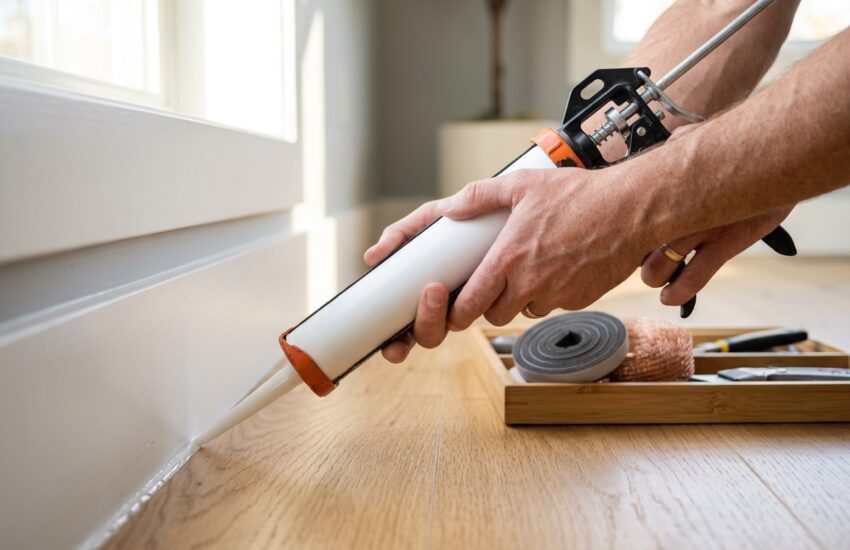
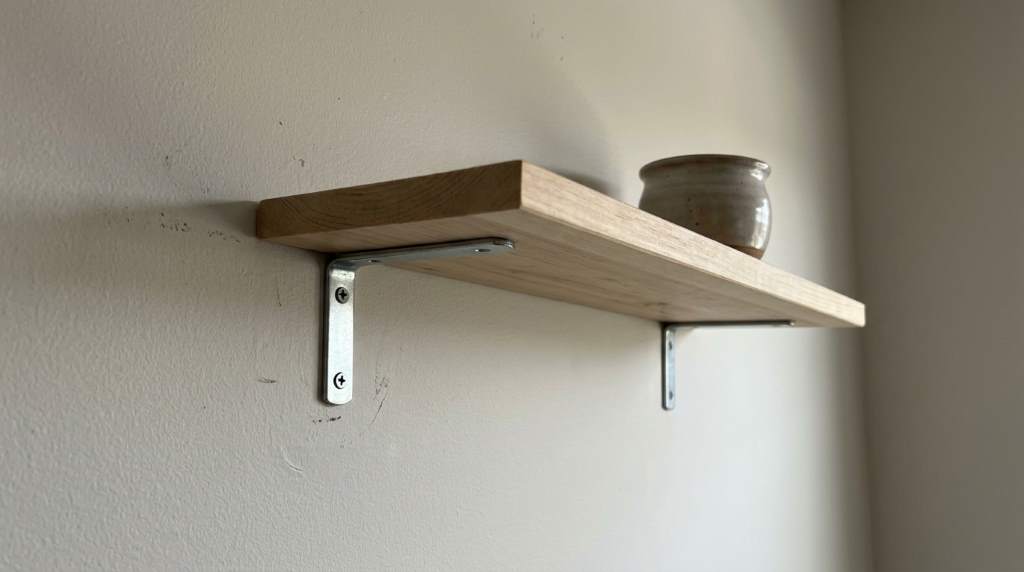
Bracket alignment problems start with understanding that even a small alignment error can lead to bigger structural and functional issues over time. Whether you are dealing with shelving brackets, mounting brackets, gate brackets, support brackets, or equipment mounting systems, proper alignment helps maintain safety and performance. In many cases, homeowners may need to shift screw holes slightly to achieve a precise fit during bracket adjustments.
According to the U.S. Consumer Product Safety Commission, thousands of home related injuries each year involve improperly installed fixtures and hardware. Furthermore, data from the National Institute of Standards and Technology highlights that small installation errors often contribute to premature hardware failure. Therefore, correcting bracket alignment problems early helps prevent larger maintenance concerns while extending the lifespan of mounted systems.
In Tampa, changing humidity levels, moisture exposure, and building settlement can all contribute to bracket misalignment. This guide explains how to identify alignment problems, understand their causes, and apply effective correction methods.
Understanding Bracket Alignment Problems
Bracket alignment refers to the correct positioning of a bracket relative to the surface and object it supports. When alignment shifts, the bracket may sit unevenly, place stress on fasteners, or fail to support weight properly.

Many homeowners first notice these issues during remodeling projects. Similar challenges often appear when studying modern design installations showcased in the Westedge Design Fair visitor guide, where precise hardware placement plays a major role in structural aesthetics.
Common signs of bracket alignment problems include:
- Visible gaps between the bracket and wall
- Uneven shelving or mounted items
- Loose fasteners
- Bracket movement under load
- Wall cracking around mounting points
- Misaligned equipment or fixtures
Once these warning signs appear, prompt correction helps avoid additional damage.
Common Causes of Bracket Misalignment in Tampa Homes
Several local environmental and structural factors contribute to bracket alignment issues.
Humidity and Moisture Expansion
Tampa’s humid climate causes many building materials to expand and contract throughout the year. Wood framing, trim, and mounting surfaces can shift slightly over time. As a result, brackets installed on these surfaces may gradually move out of alignment.
Building Settlement
Even well constructed homes experience natural settling. Small structural movements can change wall positioning and affect mounted hardware. Consequently, brackets may no longer remain square with surrounding surfaces.
Improper Initial Installation
Sometimes the problem begins during installation. If measurements are inaccurate or mounting holes are drilled incorrectly, brackets may never achieve proper alignment.
Design professionals often discuss installation precision when reviewing projects such as the Experience Design Miami review, where hardware placement significantly affects both appearance and performance.
Loose Anchors and Fasteners
Over time, vibration, regular use, and environmental changes can loosen screws and anchors. This gradual movement may cause brackets to shift from their original position.
How to Inspect Bracket Alignment Accurately
Before making corrections, inspect the bracket carefully to determine the root cause.
Check for Visual Irregularities
Begin by examining the bracket from multiple angles. Look for tilting, gaps, uneven spacing, or twisting.
Use a Level
A quality level provides immediate feedback about alignment. Place it across the mounted object and the bracket itself. Even slight deviations become easier to identify.
Inspect Fasteners
Next, check every screw, anchor, and bolt. Loose hardware often indicates movement that contributed to the alignment problem.
Evaluate Surface Conditions
Inspect the wall, wood, concrete, or mounting surface. Water damage, warping, or structural movement may affect bracket positioning. Many maintenance professionals compare these evaluations to troubleshooting methods used when addressing Phoenix stop door air leaks, where identifying the true source of the problem is essential before making repairs.
Step by Step Process to Correct Bracket Alignment Problems
Step 1: Remove the Supported Load
Always remove shelves, equipment, decorative items, or other supported objects before making adjustments. This reduces stress on the bracket and improves safety.
Step 2: Loosen the Mounting Hardware
Carefully loosen screws or bolts without fully removing them. This allows the bracket to move into the correct position while maintaining some support.
Step 3: Realign the Bracket
Use a level and measuring tape to position the bracket correctly. Verify horizontal and vertical alignment before tightening any hardware.
Tips for Better Accuracy
- Measure from fixed reference points
- Check alignment twice before securing
- Use a laser level for larger installations
- Compare both sides when working with paired brackets
Step 4: Address Hole Misalignment
If mounting holes no longer align correctly, evaluate whether minor adjustments can solve the issue. In some situations, filling old holes and creating new mounting points provides a more secure long term solution.
Step 5: Tighten Fasteners Evenly
Tighten hardware gradually and evenly. Uneven tightening can pull the bracket out of position and recreate the original problem.
Step 6: Test Stability
After securing the bracket, apply gentle pressure to verify stability. Confirm that the mounted object remains level and secure.
Preventing Future Bracket Alignment Problems
Preventive maintenance reduces the likelihood of recurring issues.
Perform Regular Inspections
Check brackets every few months, especially in areas exposed to moisture or frequent use.
Use Quality Anchors
Select anchors that match the wall material and load requirements. Proper anchoring significantly improves long term stability.
Monitor Humidity Levels
Controlling indoor humidity helps reduce material expansion and contraction. This is particularly important in Tampa’s climate.
Replace Damaged Hardware Promptly
Do not ignore rusted screws, worn anchors, or bent brackets. Replacing damaged components early prevents alignment problems from worsening.
When Professional Help May Be Necessary
Some alignment issues indicate larger structural concerns. If brackets repeatedly move despite correction, underlying building movement may be responsible.
Consider professional assistance when:
- Wall cracks continue to grow
- Multiple brackets become misaligned simultaneously
- Water damage affects mounting surfaces
- Structural movement appears significant
- Heavy equipment requires precise mounting
A qualified contractor can identify hidden causes and recommend permanent solutions.
Conclusion
Correcting bracket alignment problems in Tampa, FL requires careful inspection, accurate measurements, and proper adjustment techniques. While many issues stem from humidity, settling, or loose hardware, early intervention prevents larger structural concerns and improves safety.
By inspecting brackets regularly, using appropriate mounting hardware, and addressing small alignment issues quickly, homeowners can maintain reliable and stable installations for years. Start with a thorough assessment today and correct any bracket alignment concerns before they lead to costly repairs.
Frequently Asked Questions
What causes bracket alignment problems most often?
Humidity, building settlement, and loose fasteners are the most common causes.
Can I fix bracket alignment without removing the bracket?
Minor adjustments are possible, but most corrections require loosening the mounting hardware.
How often should I inspect wall brackets?
Inspect brackets at least twice a year and after severe weather events.
Do misaligned brackets create safety risks?
Yes, misaligned brackets can reduce load capacity and increase failure risk.
Should I replace old mounting hardware during repairs?
Replacing worn or damaged hardware often improves stability and long term performance.
You May Like
Why Alkalinity Crashes in San Diego, CA