The aroma of a simmering pot, the gentle hiss of a frying pan – the kitchen is often the heart of a home. Yet, it can quickly turn into a hazard when we neglect basic safety measures. Leaving the stove on, whether intentionally or not, is a common mistake that can have dire consequences.
The Immediate Dangers
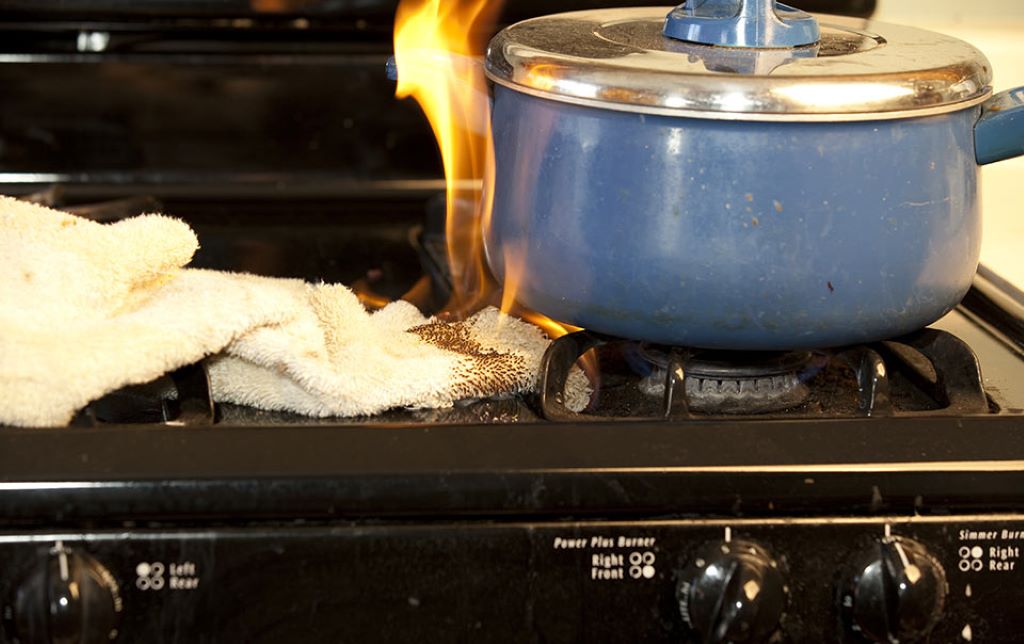
- Fire Hazard: The most obvious risk is a fire. An unattended stovetop can ignite flammable materials nearby, such as towels, curtains, or even cooking oil. A small flame can quickly escalate into a devastating blaze, causing property damage and endangering lives.
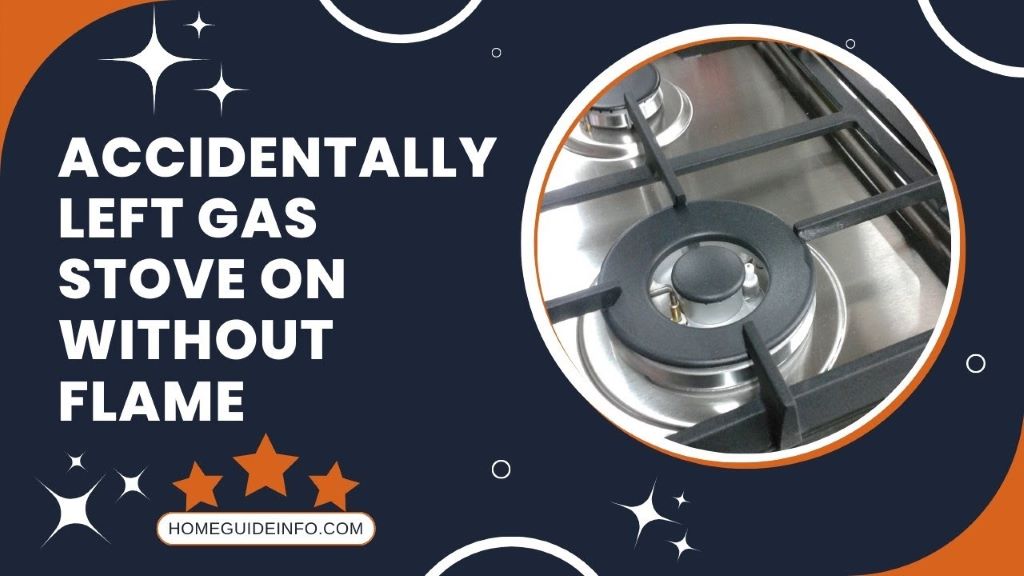
- Gas Leaks: For homes with gas stoves, the risks multiply. A forgotten burner can release gas into the air, creating an explosive environment. Even a tiny spark can trigger a catastrophic explosion, leading to injuries and structural damage.
- Burns and Scalds: Accidental contact with a hot burner can cause severe burns, especially for children and pets. Similarly, boiling pots left unattended can spill and result in scalding injuries.
The Hidden Dangers
- Carbon Monoxide Poisoning: Incomplete combustion of gas can produce carbon monoxide, a colorless and odorless gas that’s deadly in high concentrations. This silent killer can gradually build up in the home, causing nausea, dizziness, and even unconsciousness.
- Smoke Inhalation: Even if a fire doesn’t break out, a burning pot or pan can release harmful smoke containing toxic fumes. Inhaling these fumes can irritate the lungs and exacerbate existing respiratory conditions.
- Foodborne Illness: Leaving food on the stove for extended periods can create a breeding ground for bacteria. Consuming spoiled or contaminated food can lead to food poisoning, causing vomiting, diarrhea, and other health issues.
The Long-Term Impact
The repercussions of leaving the stove on extend beyond the immediate dangers. Even a minor incident can have a lasting psychological impact, leading to anxiety, guilt, and post-traumatic stress disorder (PTSD). The financial burden of repairs, medical bills, and potential lawsuits can also be significant.
Beyond Granite: Exploring Alternative Kitchen Countertop Options for Every Style
Prevention is Key
Fortunately, preventing these hazards is relatively simple. Follow these safety tips to safeguard your home and loved ones:
- Never leave the kitchen unattended while cooking: Stay vigilant and keep a close eye on the stovetop. If you must leave, turn off the burners.
- Set timers: Use timers to remind yourself to check on your food and avoid overcooking or burning.
- Install smoke and carbon monoxide detectors: These devices can alert you to potential dangers and give you precious time to evacuate or take corrective action.
- Keep flammable objects away from the stove: Store towels, curtains, and other flammable materials a safe distance from the cooking area.
- Check gas connections regularly: Inspect gas lines for leaks and ensure all connections are secure. If you smell gas, evacuate immediately and call the gas company.
- Clean the stovetop regularly: Remove grease and food residue to prevent accidental fires.
- Childproof the kitchen: Install stove knob covers and keep children away from the cooking area.
- Invest in a smart stove: Many modern stoves come with automatic shut-off features that activate if a burner is left on for too long.
Related: The Perfect Fit: Ensuring Worry-Free Dishwasher Installation with a Pro
Conclusion
Leaving the stove on is a seemingly trivial mistake, but its consequences can be devastating. By following basic safety precautions, like double-checking before leaving the kitchen, you can protect yourself and your loved ones from the dangers of fire, gas leaks, carbon monoxide poisoning, and other hazards. Remember, a few moments of carelessness can lead to a lifetime of regret. So, make safety a priority in your kitchen and enjoy the pleasures of cooking without worry. If you want to explore further tips on preventing accidents like forgetting to turn off the stove, you might find the insights from the Newhouseproject review on forgetting to turn off the stove helpful.