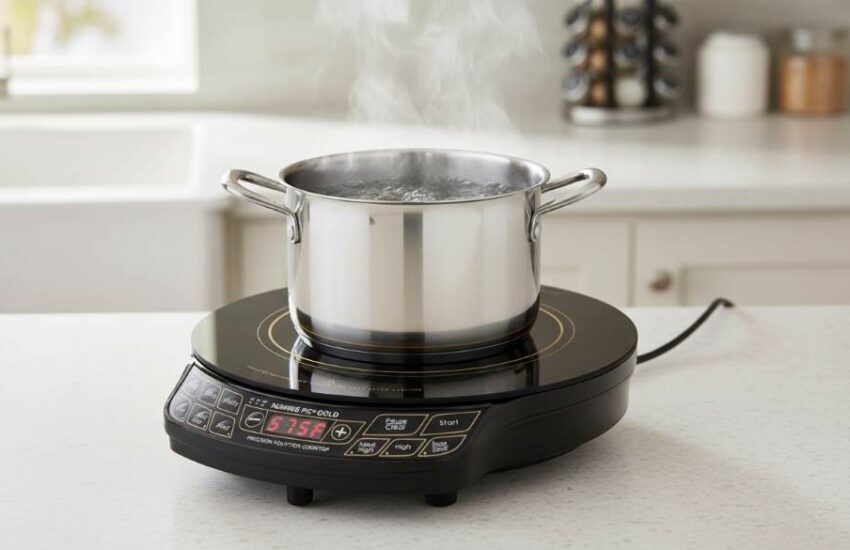
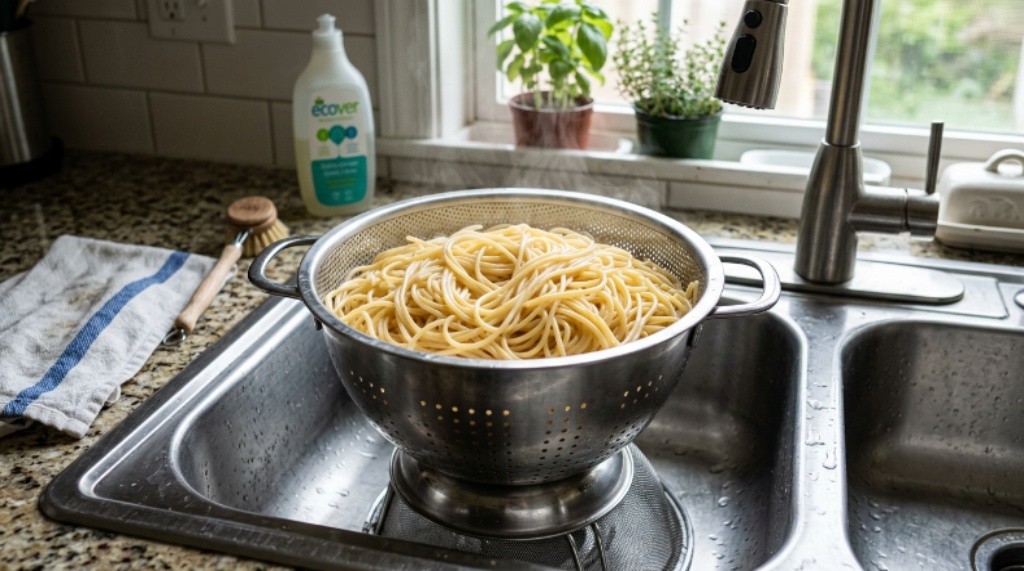
Cooking pasta is one of the simplest things you can do in a kitchen. Yet many home cooks overlook one of the most important tools in the process: the strainer. A good pasta strainer makes draining fast, safe, and mess-free. The wrong one leads to spills, broken pasta, and frustration.
If you have never bought a colander before, the options can feel overwhelming. There are different shapes, sizes, materials, and styles. However, once you understand a few key factors, the decision becomes much easier.
This guide walks you through everything you need to know as a beginner. By the end, you will feel confident choosing the right strainer for your kitchen and your cooking style.
What a Pasta Strainer Actually Does
A pasta strainer, often called a colander, is a bowl-shaped tool with holes or a mesh surface. You pour cooked pasta and boiling water into it, the water drains away, and the pasta stays behind.
It sounds simple. And it is, when you have the right tool. However, a poorly designed strainer can let small pasta shapes slip through the holes. One that is too small causes overflow. One made from poor materials warps under heat or rusts after a few washes.
Therefore, understanding what makes a strainer work well before you buy saves you from making an expensive mistake.
The Main Types of Pasta Strainers
There is more than one style of strainer on the market. Each suits a slightly different cooking habit or kitchen setup.
Standing Colanders
A standing colander is the most common type. It sits on its own base or feet, leaving both your hands free while you pour. This design is stable and practical for everyday cooking. It holds its position in the sink while hot water and pasta pour in from above, which reduces the risk of spills or tipping.
Standing colanders come in a wide range of sizes, and they are the easiest option for beginners to use safely.
Clip-On Strainer Lids
A clip-on strainer attaches directly to the edge of your pot. Instead of transferring everything to a separate bowl, you tilt the pot and let the water drain through the strainer while the pasta stays inside. This design is compact and saves space. However, it can be awkward to hold a heavy pot at an angle for an extended time, especially for larger batches of pasta.
Mesh Strainers and Fine Sieves
Mesh strainers are not traditional colanders, but they serve a similar purpose. They have a fine wire mesh instead of punched holes. This makes them ideal for very small pasta shapes like orzo or acini di pepe that would fall through the holes of a standard colander. Additionally, mesh strainers double as sifters for flour and fine strainers for sauces, making them a versatile addition to any kitchen.
Over-the-Sink Colanders
These colanders are designed to rest across the width of your sink. They do not need feet because the rim holds them in place. This design works well for large batches and deep sinks. However, they require a compatible sink width to work properly, so measure before you buy.
Choosing the Right Colander Size
One of the most important kitchen strainer tips is to match the colander size to the amount of food you typically cook. Buying the wrong size is the most common beginner mistake.
Colander sizes are usually measured by volume in litres or quarts. Here is a simple breakdown.
A 3-litre colander is suitable for one to two servings of pasta. This is a good choice if you mostly cook for yourself or one other person. It is compact and easy to store in smaller kitchens.
A 5-litre colander is the most versatile size. It handles two to four servings comfortably and suits most household cooking. If you are unsure which size to start with, this is the safest choice.
A 7-litre colander or larger is designed for family meals or batch cooking. If you regularly cook pasta for four or more people, or if you use your colander for washing large amounts of vegetables and salad greens, the larger size makes the task easier and faster.
Understanding colander sizes before you shop saves you from the frustrating experience of buying something that does not match your actual cooking habits.
Materials: Which One Is Right for You?
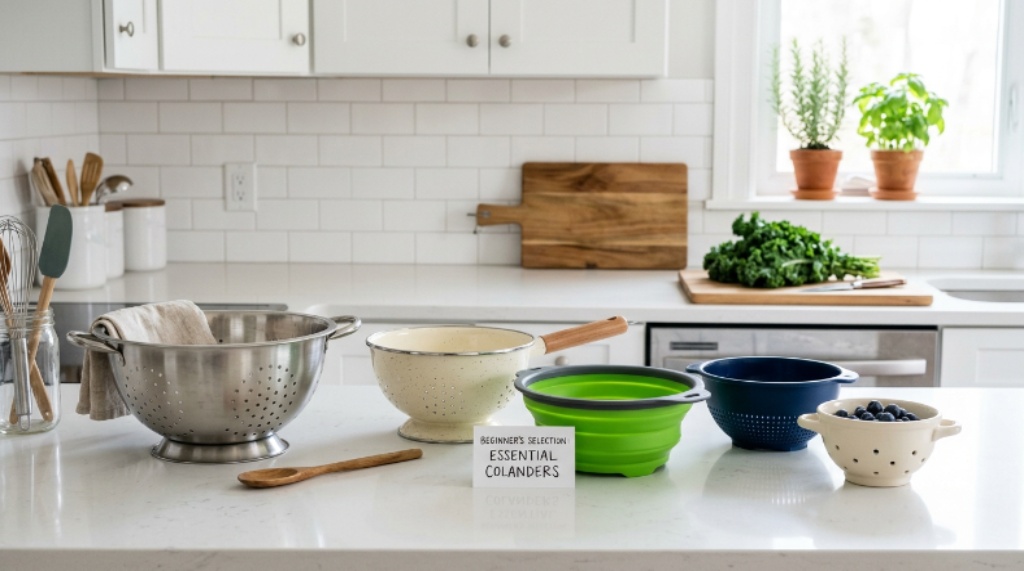
The material a colander is made from affects its durability, heat resistance, weight, and ease of cleaning. There are three main options to consider.
Stainless Steel
Stainless steel is the most popular material for a reason. It is durable, heat-resistant, and rust-proof. A good stainless steel colander can last for many years with minimal care. It handles boiling water without warping and goes into the dishwasher without damage.
The only downside is weight. Stainless steel colanders are heavier than plastic ones, which can make them slightly harder to handle when full of pasta and hot water. However, the trade-off in durability is almost always worth it.
Plastic
Plastic colanders are lightweight and inexpensive. They come in many colours, which appeals to buyers who want to match their kitchen décor. However, plastic has limits. Lower-quality plastic can warp or melt when exposed to boiling water repeatedly. Additionally, plastic scratches more easily, and scratches can harbour bacteria over time.
If you choose a plastic colander, look for one that is specifically rated as heat-resistant and BPA-free.
Silicone
Silicone colanders are flexible, foldable, and easy to store. You can collapse them flat when not in use, which is a major advantage in a small kitchen with limited cabinet space. Silicone handles heat well and is easy to clean. However, foldable colanders are generally less stable than rigid ones, so take care when pouring heavy loads of pasta.
Hole Pattern and Size: Why It Matters More Than You Think
The holes in a colander do more than let water through. Their size determines which pasta shapes stay inside and which ones slip through. This is one of the most overlooked kitchen strainer tips for beginners.
Holes that are too large will allow small pasta shapes like penne rigate, ditalini, or small shells to escape into the sink. Look for a colander with holes no larger than 4 to 5 millimetres in diameter if you cook a variety of pasta shapes.
The pattern of the holes also affects drainage speed. More holes mean faster drainage, which reduces the time your pasta sits in hot steam and continues cooking after you intend to stop. A well-perforated colander drains a full pot of pasta in seconds, not minutes.
Handles and Stability: Safety First
Handles are not a luxury. They are a safety feature. Pouring a heavy pot of boiling water into a colander requires a firm grip and a stable surface. A colander without handles or with poorly designed ones creates unnecessary risk.
Look for a colander with two sturdy handles on opposite sides. This allows you to hold it steady with both hands or carry it without the risk of dropping it. Handles with rubber grips are especially useful because they stay cool even when the colander is filled with steaming hot pasta.
Stability is equally important. A standing colander should have wide feet that grip the bottom of the sink rather than sliding around. Flat, rubber-tipped feet provide the most reliable base.
Easy Cleaning and Long-Term Care
A colander that is difficult to clean will frustrate you quickly. Food particles can get stuck in small holes or around the base, and if not removed thoroughly, they attract bacteria.
Stainless steel and silicone are the easiest materials to clean. Both can go in the dishwasher or be scrubbed with a brush under running water. Look for colanders where the holes are smooth on the inside rather than raised, as raised edges trap more food debris.
After washing, allow your colander to dry completely before storing it. Storing a damp colander, particularly one made from a cheaper material, can lead to rust, mildew, or unpleasant smells over time.
Conclusion
Picking the right pasta strainer does not need to be complicated. Start by thinking about how many people you typically cook for, and use that to guide your colander size selection. Choose stainless steel if you want durability and longevity. Opt for silicone if storage space is tight. Always check the hole size to ensure it suits the pasta shapes you cook most often.
Look for sturdy handles, stable feet, and a well-perforated design that drains quickly. Avoid plastic colanders that are not rated for high heat. Keeping these simple principles in mind makes the buying decision straightforward.
With the right tool in your kitchen, draining pasta becomes fast, safe, and effortless every single time. A quality strainer is a small investment that improves one of the most common tasks in the kitchen. Choose wisely and it will serve you well for years to come.
Frequently Asked Questions
- What size colander is best for everyday pasta cooking? A 5-litre colander is the most practical choice for most households. It comfortably handles two to four servings of pasta and is large enough for washing vegetables without being too bulky to store. If you only cook for one person, a 3-litre colander is sufficient.
- Can I use a mesh strainer instead of a colander for pasta? Yes, for smaller pasta shapes, a fine mesh strainer works very well. It prevents small pieces from falling through and doubles as a sifter for other tasks. However, for large batches of pasta, a full-sized colander drains faster and is easier to handle.
- Is stainless steel better than plastic for a pasta strainer? In most cases, yes. Stainless steel is more durable, heat-resistant, and hygienic than plastic. It does not warp under boiling water and lasts much longer. Plastic colanders can be suitable for light use, but they must be BPA-free and rated for high heat.
- How do I stop my colander from sliding around in the sink? Look for a colander with rubber-tipped feet, which grip the sink surface and prevent sliding. An over-the-sink colander that rests on the rim is another stable option. Avoid colanders with small or smooth feet that have no grip.
- How often should I replace my pasta strainer? A good quality stainless steel colander can last ten years or more with proper care. Replace yours if you notice rust, warping, broken handles, or holes that have stretched and become too large. Cheap plastic colanders may need replacing after one to two years of regular use.