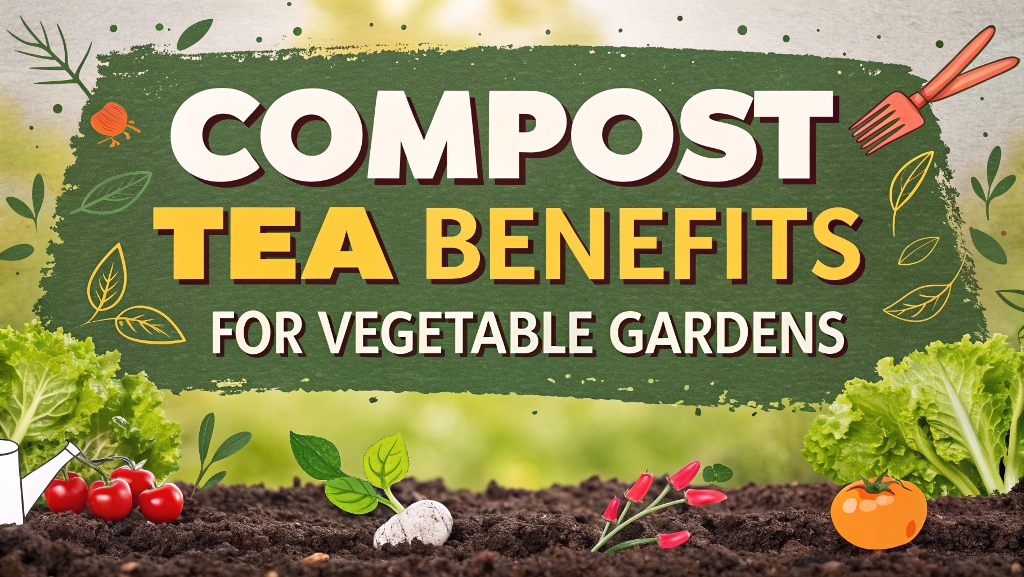
Compost tea, a nutrient-rich liquid derived from steeping compost in water, has emerged as a cornerstone of sustainable gardening. For vegetable gardeners, it offers a dynamic way to enhance soil health, boost plant growth, and reduce reliance on synthetic fertilizers. This 3500-word article delves into the history, science, benefits, challenges, and future trends of compost tea, providing actionable insights for both novice and seasoned gardeners. With a focus on practical applications, this guide aims to equip readers with the knowledge to maximize the potential of compost tea in their vegetable gardens.
History of Compost Tea in Gardening
Origins and Early Uses
Compost tea’s roots trace back centuries, with anecdotal evidence suggesting ancient farmers used liquid manure or compost soaks to nourish crops. However, formalized use began in the early 20th century as organic farming gained traction.
-
Pre-Modern Practices:
-
Ancient Roman and Chinese farmers diluted manure in water to create nutrient-rich irrigation.
-
Indigenous cultures steeped plant matter to extract nutrients for soil application.
-
-
20th Century Developments:
-
The 1920s organic movement, led by figures like Sir Albert Howard, emphasized compost-based soil fertility.
-
Early compost tea recipes emerged in the 1980s, driven by biodynamic farming advocates.
-
Evolution in Modern Agriculture
By the late 20th century, advancements in microbiology and soil science elevated compost tea’s status. Researchers began studying its microbial content, leading to the development of aerated compost tea (ACT) in the 1990s.
-
Key Milestones:
-
1990s: Dr. Elaine Ingham’s work on soil microbiology popularized ACT for its ability to amplify beneficial microbes.
-
2000s: Commercial compost tea brewers became widely available, making it accessible to home gardeners.
-
-
Current Adoption:
-
Used globally in organic and regenerative agriculture.
-
Supported by organizations like the Rodale Institute for sustainable farming practices.
-
Understanding Compost Tea: Key Concepts
What is Compost Tea?
Compost tea is a liquid solution produced by steeping high-quality compost in water, often with additives like molasses to feed microbes. It can be aerated (ACT) or non-aerated (NACT), with aeration promoting beneficial aerobic microbes.
-
Types of Compost Tea:
-
Aerated Compost Tea (ACT): Oxygenated during brewing to foster aerobic bacteria and fungi.
-
Non-Aerated Compost Tea (NACT): Simpler to make but may contain anaerobic microbes, less consistent in benefits.
-
-
Core Components:
-
Compost: The source of nutrients and microbes.
-
Water: Preferably dechlorinated to protect microbial life.
-
Additives: Molasses, kelp, or fish hydrolysate to enhance microbial growth.
-
The Science Behind Compost Tea
Compost tea’s efficacy stems from its rich microbial diversity, which supports soil health and plant resilience. It delivers nutrients, enzymes, and beneficial microorganisms directly to plants and soil.
-
Microbial Activity:
-
Contains bacteria, fungi, protozoa, and nematodes that decompose organic matter and cycle nutrients.
-
Aerobic microbes suppress pathogens by competing for resources.
-
-
Nutrient Delivery:
-
Soluble nutrients like nitrogen, phosphorus, and potassium are readily absorbed by plants.
-
Humic acids improve soil structure and nutrient retention.
-
How Compost Tea Differs from Other Amendments
Unlike solid compost or synthetic fertilizers, compost tea offers a liquid delivery system that targets roots and foliage, ensuring rapid nutrient uptake and microbial inoculation.
-
Comparison Table:
|
Amendment |
Form |
Application |
Speed of Impact |
Microbial Content |
|---|---|---|---|---|
|
Compost Tea |
Liquid |
Foliar/Soil Drench |
Fast |
High |
|
Solid Compost |
Solid |
Soil Incorporation |
Slow |
Moderate |
|
Synthetic Fertilizer |
Liquid/Solid |
Soil/Foliar |
Very Fast |
None |
Benefits of Compost Tea for Vegetable Gardens
Enhanced Soil Health
Compost tea revitalizes soil by introducing diverse microbial populations, improving structure, and increasing nutrient availability.
-
Microbial Diversity:
-
Boosts populations of beneficial bacteria (e.g., Bacillus subtilis) and fungi (e.g., Trichoderma).
-
Enhances soil food web, supporting nutrient cycling.
-
-
Soil Structure:
-
Humic acids bind soil particles, improving aeration and water retention.
-
Reduces compaction, benefiting root growth in vegetable gardens like carrots and beets.
-
Improved Plant Growth and Yield
Vegetable crops treated with compost tea often exhibit vigorous growth, higher yields, and better resistance to stress.
-
Nutrient Uptake:
-
Soluble nutrients are absorbed quickly by roots and leaves.
-
Supports crops like tomatoes, peppers, and leafy greens with high nutrient demands.
-
-
Yield Increases:
-
Studies show 10-30% yield improvements in crops like lettuce and cucumbers.
-
Enhances fruit quality, with sweeter tomatoes and crisper greens.
-
Disease and Pest Resistance
Compost tea’s microbes suppress pathogens and deter pests, reducing the need for chemical interventions.
-
Pathogen Suppression:
-
Beneficial fungi like Trichoderma outcompete pathogens such as Fusarium and Pythium.
-
Foliar applications reduce powdery mildew on squash and cucumbers.
-
-
Pest Deterrence:
-
Microbial coatings on leaves deter aphids and whiteflies.
-
Strengthens plant cell walls, making crops less susceptible to insect damage.
-
Environmental Sustainability
Compost tea aligns with eco-friendly gardening by reducing chemical inputs and recycling organic waste.
-
Reduced Chemical Use:
-
Decreases reliance on synthetic fertilizers and pesticides.
-
Lowers risk of groundwater contamination.
-
-
Waste Recycling:
-
Utilizes kitchen scraps and yard waste to create compost.
-
Supports closed-loop systems in small-scale gardens.
-
Cost-Effectiveness
For home gardeners, compost tea is a low-cost amendment that leverages existing resources.
-
Minimal Investment:
-
Basic brewing setups cost $50-$200, with DIY options under $20.
-
Uses readily available compost and water.
-
-
Long-Term Savings:
-
Reduces fertilizer and pesticide expenses.
-
Improves soil fertility, decreasing amendment needs over time.
-
Challenges and Limitations
Brewing Consistency and Quality Control
Compost tea’s effectiveness depends on proper brewing techniques, which can be challenging for beginners.
-
Risk of Anaerobic Conditions:
-
Poor aeration leads to harmful anaerobic microbes like E. coli.
-
Requires consistent oxygen levels (6-8 ppm dissolved oxygen).
-
-
Compost Quality:
-
Low-quality compost yields ineffective tea.
-
Must use well-aged, diverse compost with verified microbial content.
-
Application Timing and Frequency
Incorrect application can reduce benefits or harm plants, especially sensitive vegetables.
-
Timing Issues:
-
Foliar applications are less effective in hot, sunny conditions due to UV degradation.
-
Best applied in early morning or late afternoon.
-
-
Overuse Risks:
-
Excessive applications may lead to nutrient imbalances.
-
Recommended frequency: biweekly for soil drench, weekly for foliar spray.
-
Limited Scientific Consensus
While anecdotal evidence abounds, rigorous studies on compost tea’s efficacy are mixed, creating skepticism among some experts.
-
Research Gaps:
-
Variability in brewing methods complicates standardized testing.
-
Some studies show negligible benefits compared to solid compost.
-
-
Expert Debate:
-
Advocates like Dr. Ingham emphasize microbial benefits.
-
Critics argue benefits are overstated without consistent data.
-
Storage and Shelf Life
Compost tea is perishable, limiting its practicality for large-scale or infrequent use.
-
Short Shelf Life:
-
Must be used within 24-48 hours of brewing to maintain microbial viability.
-
Loses efficacy if stored improperly.
-
-
Logistical Challenges:
-
Requires planning to align brewing with application schedules.
-
Not suitable for long-term storage like synthetic fertilizers.
-
Practical Applications in Vegetable Gardening
Brewing Compost Tea
Creating high-quality compost tea requires attention to ingredients, equipment, and process.
-
Ingredients:
-
High-quality compost (vermicompost or thermophilic compost).
-
Dechlorinated water (rainwater or filtered tap water).
-
Microbial food (1-2% molasses or kelp meal).
-
-
Equipment:
-
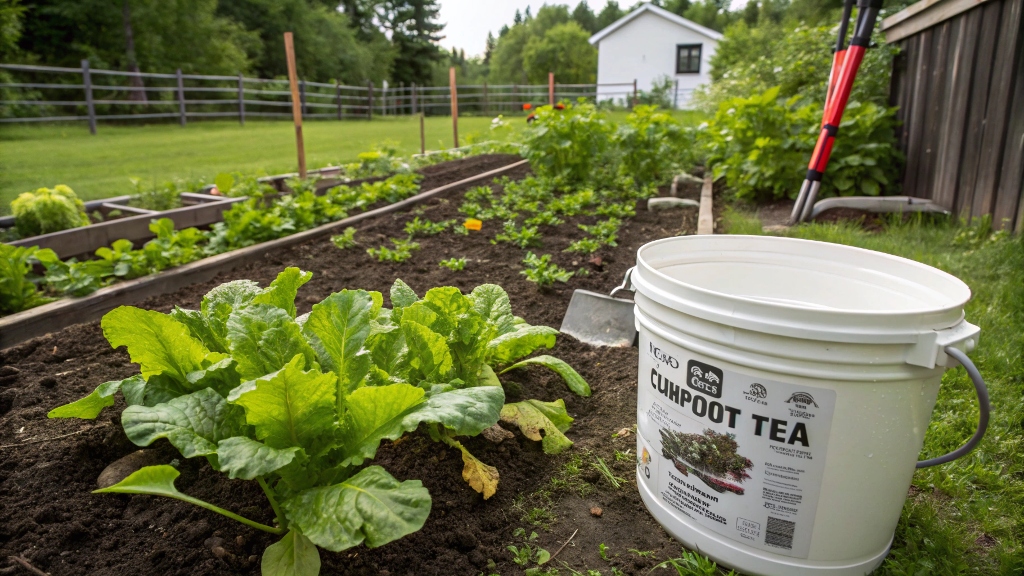
5-gallon bucket or commercial brewer.
-
Air pump with diffuser for aeration (minimum 0.05 CFM per gallon).
-
Mesh bag to contain compost.
-
-
Brewing Steps:
-
Fill bucket with dechlorinated water.
-
Add compost in a mesh bag (1:5 compost-to-water ratio).
-
Add molasses and aerate for 24-36 hours at 65-75°F.
-
Filter and apply immediately.
-
Application Methods
Compost tea can be applied as a soil drench or foliar spray, each with specific benefits.
-
Soil Drench:
-
Pour directly around plant roots to boost soil microbes.
-
Ideal for root crops like radishes and potatoes.
-
-
Foliar Spray:
-
Use a sprayer to coat leaves, targeting pathogens.
-
Effective for leafy greens and brassicas.
-
-
Dilution:
-
Dilute 1:10 for foliar sprays to avoid leaf burn.
-
Use undiluted for soil applications.
-
Crop-Specific Recommendations
Different vegetable gardens respond uniquely to compost tea, requiring tailored approaches.
-
Leafy Greens (Lettuce, Spinach):
-
Weekly foliar sprays to deter aphids and enhance flavor.
-
Biweekly soil drench for steady growth.
-
-
Fruiting Crops (Tomatoes, Peppers):
-
Monthly soil drench to support heavy nutrient demands.
-
Foliar sprays during flowering to reduce blossom-end rot.
-
-
Root Crops (Carrots, Beets):
-
Focus on soil drench to improve soil structure.
-
Avoid foliar sprays, as leaves are less responsive.
-
Future Trends in Compost Tea Use
Advancements in Brewing Technology
Innovations in compost tea brewers are making production more efficient and consistent.
-
Smart Brewers:
-
Automated systems with sensors to monitor oxygen and temperature.
-
Reduce risk of anaerobic conditions.
-
-
Scalability:
-
Larger brewers for commercial farms.
-
Portable units for small-scale gardeners.
-
Integration with Precision Agriculture
Compost tea is being incorporated into high-tech farming systems to enhance sustainability.
-
Data-Driven Applications:
-
Soil sensors guide application timing and frequency.
-
Drones deliver foliar sprays with precision.
-
-
Regenerative Farming:
-
Compost tea supports carbon sequestration and soil restoration.
-
Aligns with global sustainability goals.
-
Research and Standardization
Ongoing studies aim to resolve debates and establish best practices.
-
Microbial Profiling:
-
DNA sequencing to identify optimal microbial mixes.
-
Tailored teas for specific crops or climates.
-
-
Regulatory Frameworks:
-
Potential certification for commercial compost tea products.
-
Guidelines to ensure safety and efficacy.
-
Community and Education
Grassroots movements are spreading compost tea knowledge, empowering gardeners.
-
Workshops and Courses:
-
Local cooperatives offer hands-on brewing classes.
-
Online platforms provide expert-led tutorials.
-
-
Citizen Science:
-
Gardeners contribute data to research via apps.
-
Crowdsourced trials refine application methods.
-
Review: Compost Tea in Practice
Compost tea is a powerful tool for vegetable gardens, offering a sustainable way to enhance soil health, boost yields, and combat pests. Its microbial richness sets it apart from traditional amendments, delivering fast-acting benefits when applied correctly. However, challenges like brewing consistency, short shelf life, and variable research outcomes require careful consideration. By using high-quality compost, proper aeration, and tailored application methods, gardeners can maximize results. As technology and research advance, compost tea’s role in sustainable gardening is poised to grow, making it a valuable practice for both hobbyists and professionals.
Discover More: Cheap DIY Garden Path Ideas: Transform Your Yard on a Budget
FAQs
What is the difference between aerated and non-aerated compost tea?
Aerated compost tea (ACT) is oxygenated to promote beneficial aerobic microbes, while non-aerated (NACT) may contain anaerobic microbes, making it less consistent.
How often should I apply compost tea to my vegetable garden?
Apply biweekly as a soil drench and weekly as a foliar spray, adjusting based on crop needs and soil conditions.
Can compost tea replace synthetic fertilizers?
It can reduce reliance on synthetic fertilizers but may not fully replace them for high-nutrient-demand crops unless combined with other organic amendments.
Is compost tea safe for edible crops?
Yes, if brewed with high-quality compost and proper aeration to avoid harmful pathogens. Always use dechlorinated water and apply fresh tea.
Can I store compost tea for later use?
Compost tea should be used within 24-48 hours of brewing, as microbial activity declines rapidly, reducing its effectiveness.
Conclusion
Compost tea is a game-changer for vegetable gardens seeking sustainable, effective ways to nurture their crops. Its ability to enrich soil, boost plant health, and reduce environmental impact makes it a cornerstone of organic gardening. While challenges like brewing consistency and limited shelf life require attention, the benefits—higher yields, disease resistance, and cost savings—outweigh the drawbacks for dedicated gardeners. As research and technology evolve, compost tea’s potential will only grow, offering exciting opportunities for innovation. By mastering its use, gardeners can cultivate thriving, resilient vegetable gardens that contribute to a healthier planet.