Key Takeaways:
Pressure washing is a highly effective method for cleaning and maintaining exterior surfaces. It serves as a robust tool in the battle against mold and mildew growth, helping keep your property safe and visually appealing. Regular pressure washing cleans surfaces and acts as a preventative measure against the damaging effects of mold and mildew. Property owners can protect their investments by understanding how pressure washing works and integrating it into a routine maintenance plan.
Introduction
Mold and mildew are common issues that plague many property owners. These fungi not only tarnish the appearance of surfaces but can also pose significant health risks. Left unchecked, they can lead to costly damages and repairs. Regular pressure washing is one of the most effective strategies against these unwelcome guests. This cleaning method, renowned for its efficiency, uses high-pressure water streams to cleanse surfaces of dirt, grime, and microbial growth. In this article, we will delve into how pressure washing serves as a preventive measure against mold and mildew, contributing to healthier and more visually appealing properties.
Understanding Mold and Mildew
To effectively combat mold and mildew, it’s essential to understand what they are and how they thrive. Long-term damp surfaces provide the perfect conditions for germinating and disseminating fungus spores. They are particularly common on exterior surfaces exposed to the elements, such as siding, decks, and walkways. Mold often appears as black or green patches, whereas mildew is a powdery white or yellow substance. The conditions that foster their growth include inadequate drainage, shaded areas, and poor ventilation. Pressure washing can help eliminate these fungi by removing buildup and reducing the potential for further growth.
The Role of Moisture in Mold Growth
Moisture is a critical factor in mold and mildew proliferation. Long-term damp surfaces provide the perfect conditions for germinating and disseminating fungus spores. This is particularly true for buildings in humid climates or poorly drained areas. Failure to manage moisture levels can result in persistent mold issues, prompting the need for aggressive cleaning methods like pressure washing. While necessary for washing away mold from surfaces, it’s equally essential for maintaining property health to manage moisture overall. Moreover, window cleaning practices, for instance, can sometimes involve managing moisture levels, preventing water from lodging and stagnating in crevices where mold can flourish.
How Pressure Washing Works
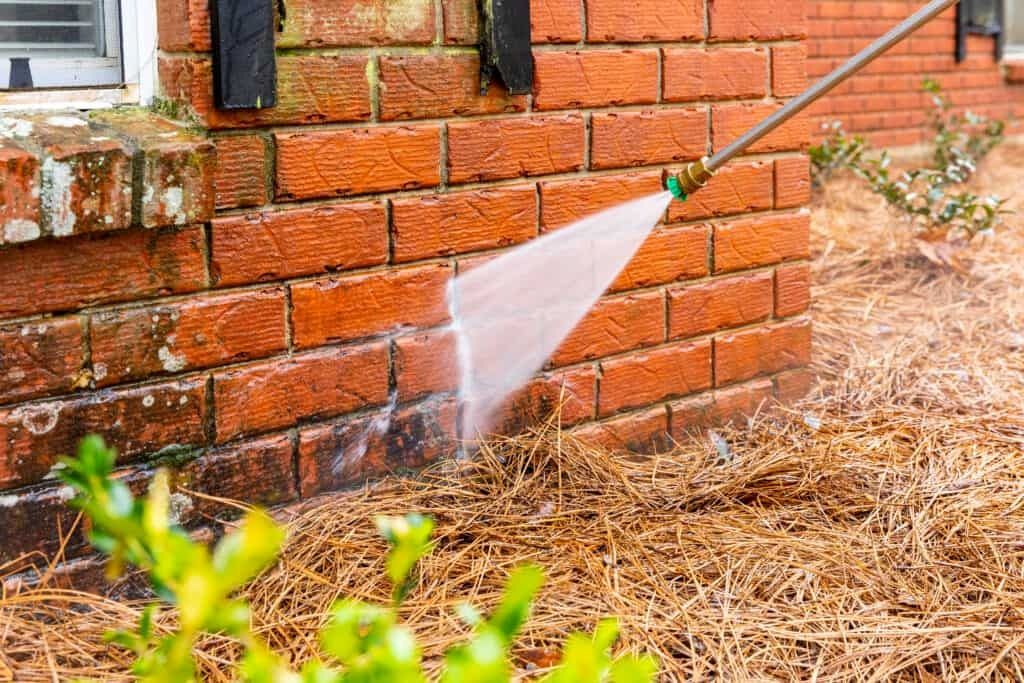
Pressure washing operates by expelling water at high velocities, effectively dislodging grime, dirt, and biological contaminants from surfaces. This method cleans and sanitizes surfaces, providing a clean slate free of pre-existing mold colonies. By eradicating mold spores and cleaning away detritus that would hold moisture, pressure washing significantly reduces the likelihood of mold and mildew returning. The process involves selecting the appropriate pressure and nozzle for delicate surfaces, ensuring effective cleaning without causing damage. The combination of forceful water pressure and specialized detergents tailored for mold removal can greatly enhance the efficiency of this cleaning method.
Proper Techniques and Timing
The effectiveness of pressure washing in preventing mold growth is contingent on employing proper techniques and timing. For optimal results, pressure washing should be done during dry periods, which allow the newly cleaned surfaces to dry thoroughly, mitigating the risk of immediate moisture build-up. Care must be taken to choose the correct pressure settings—high enough to remove mold and gentle enough to avoid surface damage. Regular pressure washing schedules, often biannually, can serve as an effective maintenance routine, ensuring that exterior surfaces remain free of mold and mildew throughout the seasons.
Health and Aesthetic Benefits
The removal of mold and mildew through pressure washing offers substantial health benefits. Both fungi can cause respiratory problems and allergic reactions in sensitive individuals. By eliminating these hazards from exterior surfaces, pressure washing enhances the home environment’s overall air quality and livability. Aesthetically, clean surfaces contribute to a property’s curb appeal, presenting a well-maintained and inviting appearance. Removing unsightly mold and mildew stains restores the natural beauty of siding, decks, and walkways, potentially increasing the property’s value and attractiveness to potential buyers.
Complementary Cleaning Solutions
While pressure washing remains a cornerstone of exterior maintenance, it can be complemented with other cleaning solutions to enhance results, especially for stubborn or deeply embedded mold. Specialized mold remediation cleaners used with pressure washing can break down the protective cell walls of mold spores, making pressure washing more effective. Additionally, incorporating landscaping adjustments, such as pruning overhanging branches or redirecting drainage paths, can minimize shade and moisture accumulation, creating an unfavorable environment for mold growth. By integrating these complementary strategies, property owners can enjoy more sustainable and long-lasting protective measures against mold and mildew.
Conclusion
Pressure washing is indispensable in maintaining a clean and healthy outdoor environment. Property owners can greatly reduce mold and mildew problems by knowing how moisture and mold growth are related and using pressure washing to change these conditions. Regularly scheduled pressure washing not only maintains properties’ aesthetic appeal but also shields residents from potential health risks. Property owners can protect and enhance their investments by integrating proper pressure washing techniques with supplementary strategies, ensuring their properties remain as safe and attractive as possible.
You May Like
Can You Use Push Fit Fittings on Copper Pipe? What You Need to Know