
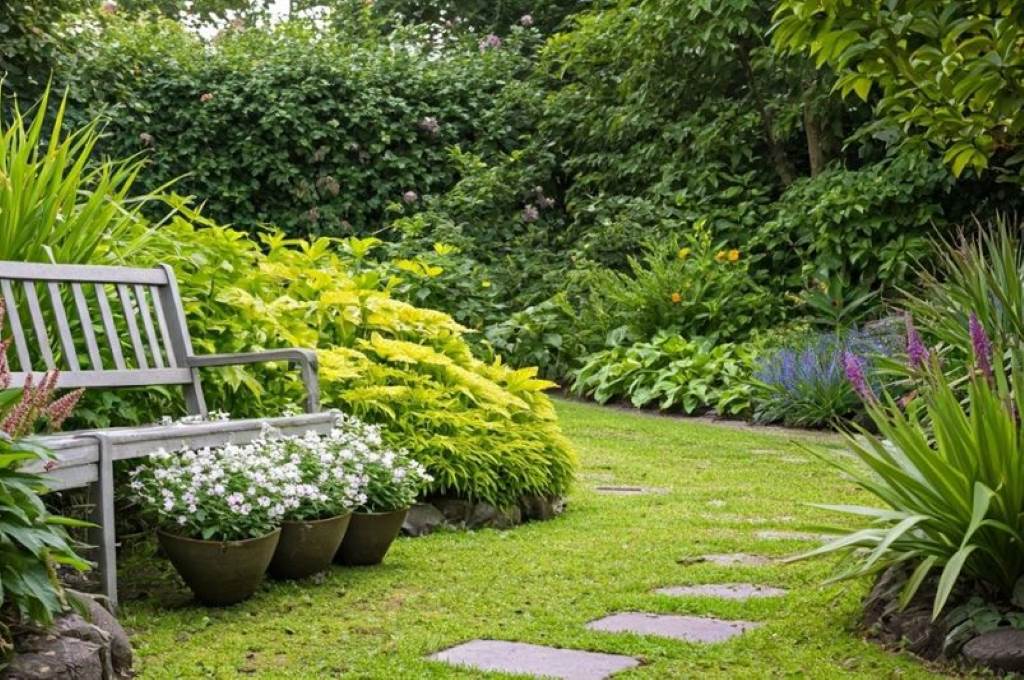
Picture this: you step outside, envisioning a lush, vibrant backyard oasis, only to be greeted by wilting plants, patchy grass, and a garden that looks more chaotic than charming. Sound familiar? Landscaping can transform your outdoor space into a personal paradise, but even well-meaning homeowners can fall into common traps that derail their efforts. Avoiding these landscaping mistakes is key to creating a beautiful, functional, and sustainable yard that boosts curb appeal and property value. In this article, we’ll dive into the top landscaping mistakes homeowners make and share practical tips to help you create a thriving outdoor space.
1. Neglecting a Clear Plan
One of the biggest landscaping pitfalls is diving in without a well-thought-out plan. Many homeowners start planting flowers or installing hardscapes without considering their yard’s layout, climate, or long-term maintenance needs. This haphazard approach often leads to mismatched designs, wasted money, and a yard that’s difficult to maintain.
How to Avoid It: Before you pick up a shovel, create a detailed landscape design plan. Assess your yard’s sunlight, soil type, and drainage patterns. Sketch a layout that includes focal points like patios, pathways, or garden beds. Consider your lifestyle—do you want a low-maintenance yard or a space for entertaining? Use online tools like Garden Planner or consult a professional landscaper to ensure your vision aligns with your property’s conditions. Planning ahead saves time, money, and frustration.
2. Ignoring Soil Health
Healthy plants start with healthy soil, yet many homeowners overlook this critical foundation. Poor soil quality can stunt plant growth, reduce blooms, and lead to costly replacements. Common issues include compacted soil, improper pH levels, or nutrient deficiencies.
How to Avoid It: Test your soil before planting. Affordable soil testing kits are available at garden centers, or you can send samples to a local cooperative extension for analysis. Based on the results, amend your soil with organic matter like compost or mulch to improve drainage and fertility. For example, clay-heavy soil benefits from adding sand or organic material, while sandy soil needs compost to retain moisture. Regular soil maintenance ensures your plants thrive year-round.
3. Overcrowding Plants
It’s tempting to fill your garden with vibrant flowers and shrubs for instant impact, but overcrowding is a recipe for disaster. Plants that are too close together compete for sunlight, water, and nutrients, leading to stunted growth, disease, and pest issues.
How to Avoid It: Research the mature size of each plant and space them accordingly. Follow the spacing guidelines on plant tags or consult a gardening guide. For instance, shrubs like hydrangeas need 3-6 feet of space to spread, while smaller perennials like lavender may only need 1-2 feet. Proper spacing promotes air circulation, reduces disease risk, and gives your garden a polished look as plants mature.
4. Choosing the Wrong Plants
Selecting plants that aren’t suited to your climate, soil, or sunlight conditions is a common mistake that leads to disappointment. For example, planting sun-loving roses in a shady yard or tropical plants in a cold climate sets you up for failure.
How to Avoid It: Choose plants that match your USDA Hardiness Zone and local conditions. Native plants are a great choice because they’re adapted to your region’s climate and require less maintenance. For instance, in arid regions, opt for drought-tolerant species like succulents or native grasses. In shadier yards, consider hostas or ferns. Check with local nurseries or extension services for recommendations tailored to your area.
5. Overlooking Maintenance Needs
A stunning landscape can quickly become a burden if you underestimate the time and effort required to maintain it. High-maintenance plants, sprawling lawns, or intricate water features may look great initially but can overwhelm busy homeowners.
How to Avoid It: Opt for low-maintenance landscaping solutions that fit your schedule. Replace large lawns with ground covers like clover or xeriscaping with gravel and drought-resistant plants. Group plants with similar watering and care needs to streamline upkeep. If you love water features or intricate designs, consider hiring a professional maintenance service to keep your yard in top shape without eating into your free time.
6. Improper Watering Practices
Watering seems straightforward, but improper techniques can harm your plants and waste resources. Overwatering can drown roots and encourage fungal growth, while underwatering leaves plants stressed and wilted.
How to Avoid It: Learn the watering needs of each plant in your yard. Most plants prefer deep, infrequent watering to encourage strong root systems. Install a drip irrigation system or soaker hoses for efficient water delivery. Water early in the morning to minimize evaporation and reduce the risk of disease. For lawns, aim for about 1 inch of water per week, adjusting based on rainfall.
7. Neglecting Hardscape Integration
Focusing solely on plants while ignoring hardscapes like patios, walkways, or retaining walls can lead to an unbalanced landscape. Poorly designed hardscapes can also create drainage issues or detract from your yard’s aesthetic.
How to Avoid It: Integrate hardscapes that complement your plants and enhance functionality. For example, a well-placed stone pathway can guide visitors through your garden, while a retaining wall can prevent soil erosion on sloped yards. Choose materials that match your home’s style, like natural stone for a rustic look or pavers for a modern vibe. Ensure proper drainage by grading hardscapes away from your home’s foundation.
8. Forgetting Seasonal Interest
Many homeowners create a landscape that shines in one season but looks dull the rest of the year. A yard that lacks year-round appeal can feel underwhelming and fail to maximize your outdoor enjoyment.
How to Avoid It: Plan for seasonal interest by selecting plants that bloom or change at different times of the year. For spring, include bulbs like tulips or daffodils. For summer, choose perennials like coneflowers or daylilies. Evergreens and ornamental grasses add winter texture, while trees with vibrant fall foliage, like maples, bring autumn color. Layering these elements creates a dynamic, year-round landscape.
9. Skimping on Mulch
Mulch is often an afterthought, but skipping it or using it incorrectly can harm your plants and increase maintenance. Without mulch, soil erodes, weeds thrive, and plants struggle to retain moisture.
How to Avoid It: Apply a 2-3 inch layer of organic mulch, like bark or wood chips, around plants to conserve moisture, suppress weeds, and regulate soil temperature. Avoid piling mulch against tree trunks or plant stems, as this can cause rot or pest issues. Refresh mulch annually to maintain its benefits and keep your garden looking tidy.
10. Ignoring Curb Appeal
Your front yard is the first impression visitors have of your home, yet many homeowners focus solely on their backyard. A neglected front yard can lower your property’s value and make your home feel uninviting.
How to Avoid It: Enhance curb appeal with a cohesive front yard design. Add a welcoming pathway, frame your entrance with symmetrical plantings, and incorporate focal points like a small tree or colorful flower beds. Keep your lawn trimmed and free of clutter. Simple touches like solar-powered pathway lights or a fresh coat of paint on your front door can make a big difference.
Discover Now:
- How to Replace a Window Crank Assembly: A Step-by-Step Guide
- Modern Features Every New Home Should Include
- Embrace Nature’s Touch: Your Essential Guide to Natural Hygiene and Personal Care Products
Conclusion
Creating a beautiful, functional landscape is within every homeowner’s reach, but avoiding these common mistakes is crucial to success. By planning carefully, choosing the right plants, prioritizing soil health, and balancing aesthetics with practicality, you can transform your yard into a space you’ll love for years to come. Don’t let these pitfalls hold you back—start small, stay informed, and enjoy the process of bringing your outdoor vision to life.
Ready to revamp your yard? Share your landscaping challenges or favorite tips in the comments below! For personalized advice, connect with a local landscaper or download our free landscape planning checklist to get started today.