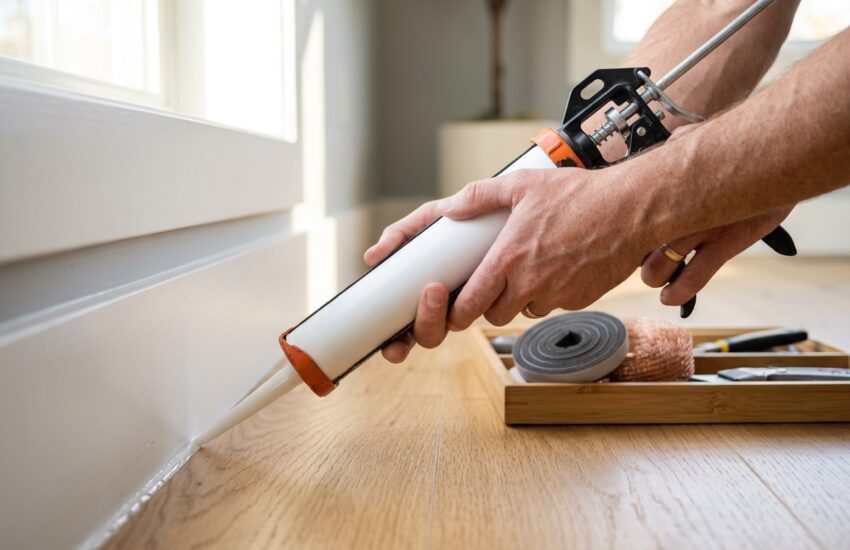
Phoenix homeowners often face higher cooling costs because of hidden air leaks around exterior doors. According to the U.S. Department of Energy, air leaks can waste up to 30% of a home’s heating and cooling energy. In a hot desert climate, even small gaps can raise indoor temperatures and increase utility bills. Many residents overlook door-related air loss until energy costs climb. Understanding the causes and solutions helps homeowners improve comfort and efficiency. One common issue involves gaps around exterior door frame, which often allow hot outdoor air to enter the home.
Why Door Air Leaks Matter in Phoenix Homes
Phoenix experiences long periods of extreme heat every year. Consequently, homes depend heavily on air conditioning systems. When doors leak air, cooling systems work harder throughout the day. As a result, homeowners often see higher monthly energy bills. Small leaks can create surprisingly large efficiency losses.
Hot air entering through door openings also affects indoor comfort. Therefore, some rooms may feel warmer than others. Temperature imbalances often frustrate homeowners during summer months. In addition, air leaks can increase dust accumulation inside the house. Desert conditions make this problem even more noticeable.
Many homeowners focus on windows while ignoring doors. However, exterior doors frequently develop gaps from normal wear. Seasonal expansion and contraction can affect alignment over time. Furthermore, frequent door use slowly weakens weather sealing materials. Regular inspections help prevent larger problems later.
Common Causes of Door Air Leaks
Worn Weatherstripping
Weatherstripping creates a seal between the door and frame. Over time, sunlight and heat damage these materials. Consequently, cracks and gaps begin to form around the perimeter. Phoenix temperatures accelerate weatherstripping deterioration significantly. Replacing damaged seals often provides immediate improvements.
Many homes use rubber or foam weatherstripping products. However, prolonged UV exposure causes these materials to become brittle. As a result, they lose flexibility and sealing performance. Homeowners should inspect weatherstripping at least twice yearly. Early replacement prevents larger energy losses.
Door Frame Movement
Foundations naturally shift over time due to soil conditions. Therefore, door frames can move slightly from their original position. Even minor movement may create noticeable air leaks. In some cases, doors begin sticking or rubbing. These signs often indicate alignment issues.
Homes undergoing renovations sometimes experience structural adjustments. During projects involving a floor plan for a small bathroom, nearby structural modifications may affect door alignment. Consequently, homeowners should inspect surrounding doors after renovation work. Small adjustments often restore proper sealing performance.
Damaged Door Sweeps
A door sweep seals the gap beneath the door. However, constant friction eventually wears this component down. When damage occurs, hot outdoor air enters easily. Additionally, insects and dust may enter through the opening. Replacing a worn sweep remains a simple improvement.
Many homeowners overlook bottom-door leaks during inspections. Yet these gaps often contribute significant air infiltration. Therefore, checking the sweep should become part of routine maintenance. Modern door sweeps offer improved durability and sealing performance. Installation usually requires minimal tools.
How to Identify Door Air Leaks
Finding leaks early helps prevent unnecessary energy waste. Fortunately, homeowners can perform several simple inspections. Most methods require little equipment and minimal effort. Consistent checks help identify problems before they worsen. Early action often reduces repair costs.
The Flashlight Test
Close the door during evening hours and darken the room. Then place a bright flashlight outside the door perimeter. If light appears indoors, gaps likely exist. This method quickly reveals sealing problems. Many homeowners find leaks within minutes.
The Hand Test
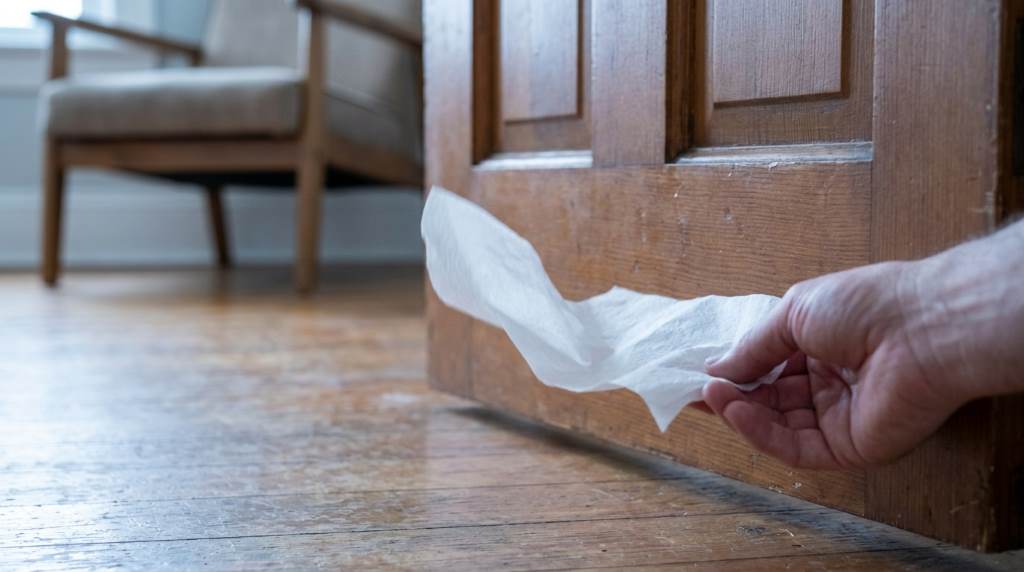
Move your hand slowly around the door edges. During hot afternoons, feel for warm air entering the home. Likewise, cooler indoor air may escape outward. This simple test helps locate problem areas. It works best during peak temperature differences.
The Smoke Test
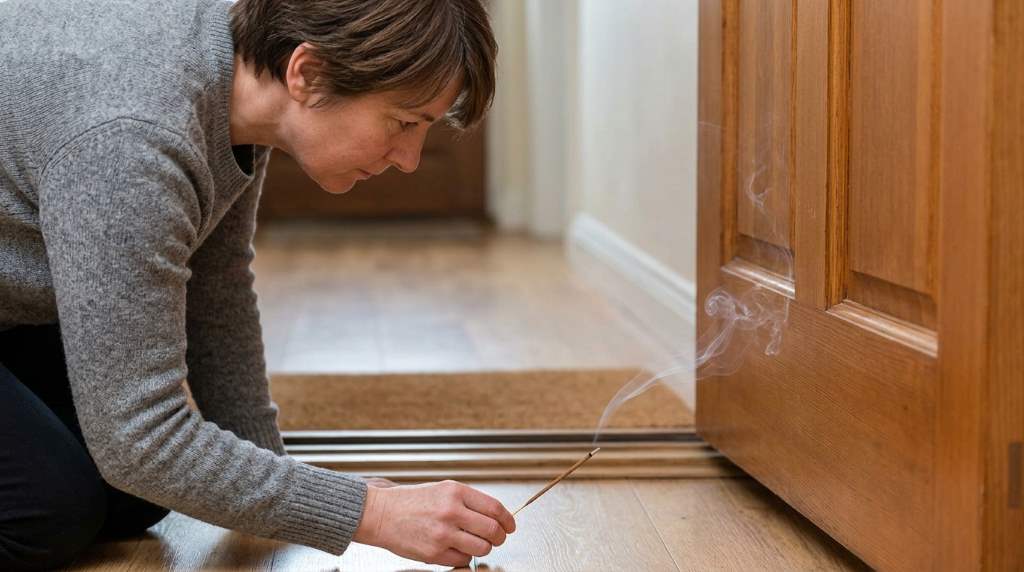
Use incense or a smoke pencil near the door perimeter. If smoke movement changes direction suddenly, air leakage likely exists. This technique helps identify subtle leaks. Furthermore, it reveals airflow patterns around the opening. Many energy auditors use similar methods.
Best Ways to Stop Door Air Leaks
Replace Old Weatherstripping
Fresh weatherstripping creates a tight seal around the door. Therefore, replacing damaged material remains one of the best solutions. Homeowners can choose foam, rubber, or silicone products. Each option provides effective sealing when installed correctly. Quality materials often last several years.
Before installation, clean all contact surfaces thoroughly. Dirt and debris can reduce adhesive performance significantly. Next, measure each side carefully before cutting materials. Proper sizing ensures complete coverage around the frame. Small installation mistakes can reduce effectiveness.
Install a New Door Sweep
Door sweeps block air movement beneath exterior doors. Consequently, replacing worn sweeps improves efficiency immediately. Many products install with basic hand tools. Homeowners can complete the project within an hour. Results often become noticeable right away.
Choose a sweep designed for local climate conditions. Phoenix heat can affect lower-quality materials quickly. Therefore, durable products often provide better long-term value. Regular inspections help maintain peak performance. Consistent maintenance extends product lifespan.
Adjust Door Alignment
Sometimes the door itself creates the problem. If gaps appear uneven, alignment may require correction. Tightening hinge screws often solves minor issues. Additionally, shims can help reposition the frame. Proper alignment improves sealing across all sides.
When alignment problems become severe, professional assistance may help. Experienced technicians can identify structural causes quickly. Moreover, they often spot hidden issues homeowners miss. Accurate adjustments restore smooth operation and efficiency. Long-term results justify the investment.
The Hidden Role of Indoor Pressure
Many blogs focus only on weatherstripping and door sweeps. However, indoor air pressure also influences door leakage. Exhaust fans, dryers, and ventilation systems affect pressure balance. Consequently, these systems can pull outdoor air inside. Understanding pressure dynamics offers deeper insight.
Negative indoor pressure occurs when more air leaves than enters. Therefore, outside air seeks pathways into the home. Doors often become primary entry points. Even well-sealed doors may experience minor infiltration under pressure imbalance. This issue frequently surprises homeowners.
Homes undergoing updates using a kitchen and bathroom remodeling guide sometimes add stronger exhaust systems. Consequently, pressure conditions inside the home may change. Evaluating ventilation performance helps reduce unexpected leakage. This uncommon consideration often improves overall comfort.
Door Materials and Air Leak Performance
Different door materials respond differently to Phoenix weather. Therefore, understanding material behavior helps homeowners choose wisely. Some materials expand more during extreme heat. Others maintain stability despite temperature changes. Material selection influences long-term sealing performance.
Steel Doors
Steel doors offer durability and energy efficiency. Additionally, they resist warping better than many alternatives. Quality insulation further improves performance. However, damaged seals still require attention. Regular maintenance remains important.
Fiberglass Doors
Fiberglass doors perform well in desert climates. Consequently, many Phoenix homeowners prefer this option. These doors resist heat-related expansion effectively. They also require less maintenance than wood. Long-term durability makes them attractive.
Wood Doors
Wood doors provide classic appearance and charm. However, heat and dryness can affect dimensional stability. As a result, gaps sometimes develop over time. Regular sealing and maintenance help minimize problems. Proper care extends service life significantly.
Seasonal Maintenance Tips for Phoenix Homeowners
Routine maintenance prevents many door-related issues. Therefore, homeowners should inspect doors before peak summer temperatures. Small repairs completed early reduce future energy losses. Consistent attention keeps systems working efficiently. Prevention remains easier than major repairs.
- Inspect weatherstripping every six months.
- Check door sweeps for wear and damage.
- Tighten loose hinge screws immediately.
- Clean door tracks and threshold areas.
- Look for visible light around closed doors.
Homeowners planning larger projects involving plan bedroom baths modern layouts should include door inspections during construction. Renovation activities sometimes affect structural alignment unexpectedly. Therefore, evaluating doors afterward prevents future efficiency problems. A simple inspection often saves money later.
When to Call a Professional
Some air leaks require more than basic maintenance. Therefore, homeowners should recognize when expert help becomes necessary. Persistent gaps often indicate structural movement. Likewise, severe alignment issues may require specialized tools. Professional evaluation provides accurate diagnosis.
Energy auditors can identify hidden leakage sources throughout the home. In addition, they use advanced testing equipment. Detailed assessments reveal efficiency opportunities many owners overlook. Recommendations often produce measurable energy savings. Professional guidance helps prioritize improvements effectively.
Conclusion
Stopping door air leaks remains one of the smartest upgrades for Phoenix homeowners. Small gaps can waste energy, reduce comfort, and increase cooling costs. Fortunately, weatherstripping replacement, door sweep upgrades, and alignment corrections often solve the problem. Regular inspections help catch issues before they grow. Start checking your exterior doors today and create a cooler, more energy-efficient home throughout the year.
FAQs
How do I know if my exterior door leaks air?
You can use a flashlight, hand, or smoke test to detect airflow around the door.
How often should weatherstripping be replaced?
Most weatherstripping should be inspected yearly and replaced when cracks or wear appear.
Do door sweeps really reduce energy loss?
Yes, door sweeps effectively block air movement beneath exterior doors.
Can hot Phoenix weather damage door seals?
Yes, extreme heat and UV exposure can shorten the lifespan of sealing materials.
Should I hire a professional for door air leaks?
Professional help is useful when leaks result from structural movement or major alignment problems.
You May Like

Why Alkalinity Crashes in San Diego, CA