
Key Takeaways
- Small issues like leaks, gaps, food, and clutter can attract pests.
- Regular inspections help identify problems before they grow.
- Control moisture, food sources, clutter, and entry points.
- Maintain the yard and follow seasonal prevention steps.
- Use integrated pest management and treatments carefully.
- Seek professional help for persistent or serious infestations.
Most serious household pest problems begin with a small condition that goes unnoticed, such as a slow pipe leak, a torn screen, an open food bag, or vegetation pressed against siding. Homeowners who focus on routine prevention can often avoid the disruption and expense of a larger infestation. Practical residential guidance from greenpestservices.net reinforces the value of identifying and correcting conditions that provide pests with food, water, shelter, and easy access indoors.
Prevention is not about making a home perfectly spotless or eliminating every insect outdoors. It is about making the house less useful to pests and catching warning signs while they are still manageable. A few short checks throughout the year can protect kitchens, basements, garages, attics, and outdoor living areas.
Why Prevention Works Better Than Panic
Pests rarely appear without a reason. Ants may follow moisture or crumbs, rodents may use a loose garage seal for warmth, and cockroaches may thrive around hidden water sources. Fixing a dripping pipe today can be much simpler than addressing repeated insect activity weeks later. Early action also makes it easier to identify the true cause rather than relying on broad treatments that may not solve the problem.
How To Inspect A Home For Pest Risks
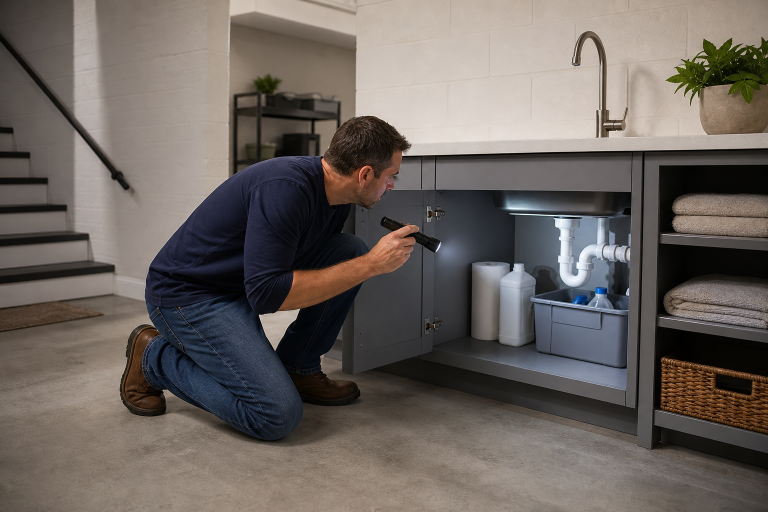
A basic inspection can take less than an hour. Walk slowly through the home with a flashlight and phone camera, paying attention to places that are dark, quiet, damp, or rarely moved.
- Check doors, windows, vents, utility lines, and exterior trim for openings.
- Look beneath sinks, behind appliances, and around water heaters for leaks or staining.
- Inspect attics, crawl spaces, basements, and garages for droppings, gnaw marks, insect skins, or nesting material.
- Move boxes away from walls when possible so activity is easier to spot.
- Photograph signs and note the date, room, and exact location for future comparison.
Control Moisture Before Pests Find It
Water is one of the strongest pest attractants around a home. Repair leaking pipes, dry wet cabinets, run exhaust fans in bathrooms, and improve airflow in laundry rooms or basements. Clean gutters regularly and ensure downspouts direct water away from the foundation, where damp soil can attract insects and create access problems over time.
Outside, empty buckets, plant saucers, toys, tarps, and other containers that hold rainwater. The CDC advises residents to check water-holding containers both indoors and outdoors and to empty or cover them regularly, which helps reduce the number of places where mosquitoes can lay eggs. After heavy rain, check basement corners, window wells, clogged drains, and low areas of the yard.
Remove Food And Clutter Sources
Store pantry staples, snacks, birdseed, and pet food in sealed containers instead of open bags. Wipe counters after meals, clean crumbs beneath appliances, wash pet bowls, and avoid leaving pet food out overnight. Take out the kitchen trash regularly, especially when it contains sugary foods, meat, or produce scraps.
Clutter matters because it creates shelter and hides early evidence of pests. Cardboard, paper, fabric, and rarely used storage can provide protected spaces for insects and rodents. Reduce unnecessary piles and keep stored belongings organized so you can inspect behind and beneath them without a major cleanup project.
Seal Common Entry Points
Small openings can make a large difference. Replace worn door sweeps, repair damaged window screens, and seal gaps around pipes, cables, vents, and exterior trim. Repair loose siding and deteriorated foundation joints before they grow into larger openings. For bigger gaps, use durable, appropriate mesh or a lasting repair material rather than stuffing the space with a temporary solution. Check that the garage door closes evenly and keep it shut when not in use.
Keep The Yard From Attracting Pests
The area immediately around the home should be open, dry, and easy to inspect. Trim grass, remove dense leaf piles near the foundation, and prune branches or shrubs so they do not touch walls or the roof. Store firewood several feet from the home and raised off the ground. Keep compost bins closed, place garbage cans away from doors where possible, and avoid piling mulch or damp soil directly against siding.
Build A Seasonal Prevention Plan
Winter
Inspect attics, garages, and storage areas for rodents seeking warmth. Look for new gaps after freezing weather or strong winds, and replace damaged door seals.
Spring
Clean gutters, check window screens, remove standing water, and inspect outdoor storage before insect activity increases. Address damp areas created by snowmelt or spring rain.
Summer
Watch for ants, mosquitoes, stinging insects, and moisture around air-conditioning equipment. Cover food during outdoor meals and empty cups, cans, and containers afterward.
Fall
Seal openings before cooler weather pushes pests indoors. Move leaves, firewood, and stored materials away from the structure, then inspect the garage and foundation again.
Choose Safer Treatment Options
Integrated pest management begins with inspection, prevention, monitoring, and accurate identification. The EPA describes integrated pest management as an approach that focuses on prevention and uses pesticides only when needed. Identify the pest before selecting a product, because treatment choices that work for one problem may be ineffective or unnecessary for another.
Use nonchemical steps first when they address the cause, such as sealing an entry point, removing food, repairing moisture damage, or using traps. If a pesticide is needed, follow every label direction, including instructions for ventilation, storage, children, pets, protective equipment, and reentry. Natural products are not automatically harmless, so they also require careful use.
Know When To Ask For Professional Help
Seek prompt help for repeated sightings, substantial droppings, chewed wiring, strong odors, nests near entryways, or signs of structural damage. Termites, bed bugs, stinging insects, and persistent rodent activity often require specialized inspection and treatment. Ask about the inspection process, treatment steps, follow-up visits, safety precautions, and prevention recommendations. Keeping records of sightings, repairs, and past treatments will make those conversations more productive.
Conclusion
Effective pest prevention is built from small, repeatable habits. Dry spaces, sealed food, repaired gaps, trimmed vegetation, and seasonal inspections remove many conditions that pests need to settle in. By responding to small warning signs early, homeowners can protect their space and reduce the chance that a minor issue becomes a costly problem.
You May Like
Why Alkalinity Crashes in San Diego, CA