
Saltwater pools continue growing across the USA because they offer comfortable swimming and steady water quality. Industry reports estimate millions of American residential pools use salt chlorination systems today. However, many Orlando homeowners eventually notice unexpected alerts that interrupt normal operation. Understanding why your pool system shows a salt error in Orlando, FL helps prevent unnecessary repairs, while learning about salt chlorinator error codes makes troubleshooting easier before calling a professional.
Understanding Why Salt Errors Happen
Most salt system warnings appear because the controller detects abnormal operating conditions instead of complete equipment failure. Therefore, checking simple causes first often saves both time and money. You can also understand safe pool operation by reading swim while pool vacuum guidance before starting maintenance.
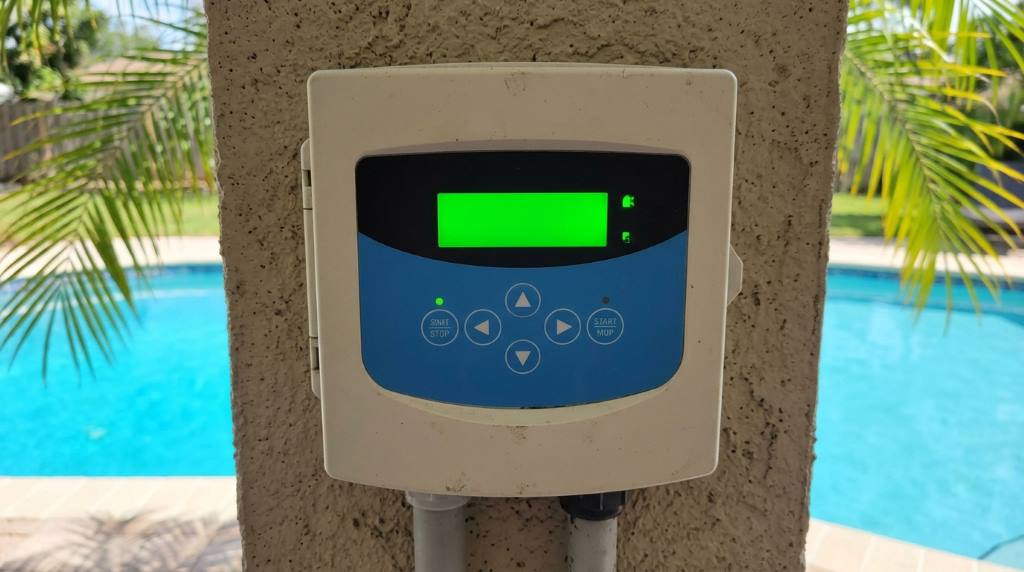
Salt chlorinators constantly measure conductivity to estimate the salt concentration inside your pool water. Consequently, inaccurate readings trigger warning messages when measurements fall outside acceptable operating ranges. These alerts protect the chlorine generator from working under unsuitable conditions.
Common Causes of Salt Errors in Orlando Pools
Heavy Rainfall Changes Water Balance
Orlando experiences frequent rainstorms throughout much of the year, which dilute pool water naturally. As a result, salt concentration decreases enough for the control panel to display an error. Testing the water after heavy rainfall helps identify this issue quickly.
Incorrect Salt Levels
Every manufacturer recommends a specific operating range for reliable chlorine production. Adding too little or too much salt can confuse system sensors and reduce sanitizing performance. Following the recommended level keeps readings stable throughout the swimming season.
Dirty Salt Cell
Calcium deposits gradually collect on salt cell plates during normal operation. Consequently, mineral buildup blocks electrical flow and creates inaccurate sensor readings. Cleaning the cell regularly restores proper performance without replacing expensive components.
Low Water Temperature
Although Orlando stays warm for much of the year, occasional cold weather affects salt systems. Cooler water changes electrical conductivity and may trigger temporary salt warnings. Most systems return to normal once water temperatures increase.
Aging Salt Cell
Salt cells wear out after years of continuous chlorine production. Therefore, older cells eventually produce inaccurate readings despite having correct salt concentrations. Replacing a worn cell often eliminates recurring warning messages.
How Orlando Weather Affects Salt Pool Systems
Florida’s humid climate creates unique maintenance challenges for residential pool owners. High temperatures increase evaporation while afternoon storms frequently refill pools with fresh rainwater. Learning about swimming pool maintenance cost also helps homeowners prepare realistic annual service budgets.
Sunlight remains another important factor because intense ultraviolet exposure increases chlorine demand every day. Consequently, the salt system works harder to maintain proper sanitizer levels. Regular testing prevents unnecessary strain on the equipment.
Step by Step Troubleshooting Before Calling a Professional
Most salt errors have straightforward solutions that homeowners can safely investigate themselves. Furthermore, careful inspections often identify simple maintenance problems before expensive repairs become necessary. Helpful equipment advice appears inside this affordable pool vacuum cleaner resource for complete cleaning support.
Test the Salt Level
Use a reliable digital tester or professional testing kit for accurate measurements. Compare the results with the manufacturer’s recommended operating range before making adjustments. Never estimate salt concentration without proper testing equipment.
Inspect the Salt Cell
Turn off electrical power before removing the salt cell from the plumbing system. Examine the metal plates carefully for calcium scaling or visible debris. Clean the cell according to manufacturer instructions if buildup appears.
Check Water Chemistry
Balanced water chemistry supports accurate sensor performance and longer equipment life. Verify pH, alkalinity, calcium hardness, and stabilizer levels using quality testing supplies. Correct any imbalances before resetting the system.
Reset the Controller
Many systems require a manual reset after maintenance or salt adjustments. Follow the owner’s manual carefully because reset procedures differ between manufacturers. Wait several hours before checking whether the warning returns.
Inspect Flow Conditions
Poor water circulation sometimes creates false salt warnings despite proper chemical balance. Ensure the pump, filter, and valves operate correctly during normal filtration cycles. Good circulation improves chlorine production throughout the entire pool.
Signs You Need Professional Pool Service
Persistent warning messages usually indicate problems beyond routine homeowner maintenance. Professional technicians possess specialized testing equipment that identifies electrical or mechanical failures accurately. Their experience also prevents accidental damage during advanced troubleshooting.
- Salt error remains after correct salt adjustment.
- The system stops producing chlorine completely.
- Error messages change frequently without obvious reasons.
- The controller displays multiple warning codes simultaneously.
- Electrical connections show corrosion or visible damage.
Simple Maintenance Tips That Prevent Future Salt Errors
Preventive maintenance costs much less than replacing major pool equipment unexpectedly. Establishing a regular inspection schedule keeps the entire salt system operating efficiently. Small maintenance tasks also reduce long term ownership expenses.
- Test pool water every week.
- Clean the salt cell every few months.
- Maintain proper water chemistry consistently.
- Inspect equipment after major rainstorms.
- Replace worn components before complete failure.
- Schedule annual professional inspections.
Benefits of Fixing Salt Errors Quickly
Prompt repairs restore dependable chlorine production and improve swimmer comfort immediately. Additionally, balanced water protects pool finishes, plumbing, and expensive circulation equipment. Fast action also prevents algae growth that requires costly chemical treatments.
Reliable salt systems provide steady sanitation with less daily attention than traditional chlorine methods. Maintaining the equipment correctly extends component lifespan while reducing unexpected service visits. Homeowners enjoy cleaner water and greater peace of mind throughout the swimming season.
Conclusion
Understanding why your pool system shows a salt error in Orlando, FL helps you solve common problems before they become expensive repairs. Regular testing, proper cleaning, and balanced water chemistry keep salt chlorination systems operating efficiently across the USA. Follow these practical maintenance steps consistently, and contact a qualified pool professional whenever warning messages continue despite correct troubleshooting.
Frequently Asked Questions
Why does my pool show a salt error after heavy rain?
Heavy rainfall dilutes pool water and temporarily lowers the salt concentration.
Can a dirty salt cell cause false salt readings?
Yes, mineral buildup often prevents accurate sensor readings inside the salt cell.
How often should I test my pool salt level?
Testing once every week provides consistent monitoring for most residential pools.
Should I add more salt immediately after seeing an error?
No, always test the actual salt concentration before adding additional salt.
When should I call a pool professional?
Contact a professional if the warning remains after proper cleaning and water balancing.
You May Like
Can You Use Push Fit Fittings on Copper Pipe? What You Need to Know