
Historic homes create lasting charm, yet aging structures often develop hidden structural movement over time. Studies estimate that nearly 65% of older masonry homes experience visible wall cracking during their lifespan. Additionally, shifting soil remains one of the leading causes of foundation movement across older neighborhoods. Homeowners researching old house ceiling crack repair frequently discover that wall movement also requires careful attention. Understanding why New Orleans, LA historic homes suffer wall shifts helps owners prevent costly structural damage while protecting valuable architectural character.
Understanding Why Historic Walls Begin to Shift
Historic homes rely on construction methods that differ greatly from modern building standards. Many older structures also rest on materials that naturally change with time.
Moreover, moisture constantly affects wood framing, brick walls, mortar joints, and supporting foundations. Decorative features remain beautiful, although structural movement slowly develops underneath finished surfaces.
Some homeowners focus only on cosmetic improvements instead of structural health. Before planning projects like office walls decoration ideas, inspecting existing wall stability helps avoid future repair expenses.
Common Causes Behind Wall Shifts in Historic Homes
Foundation Settlement
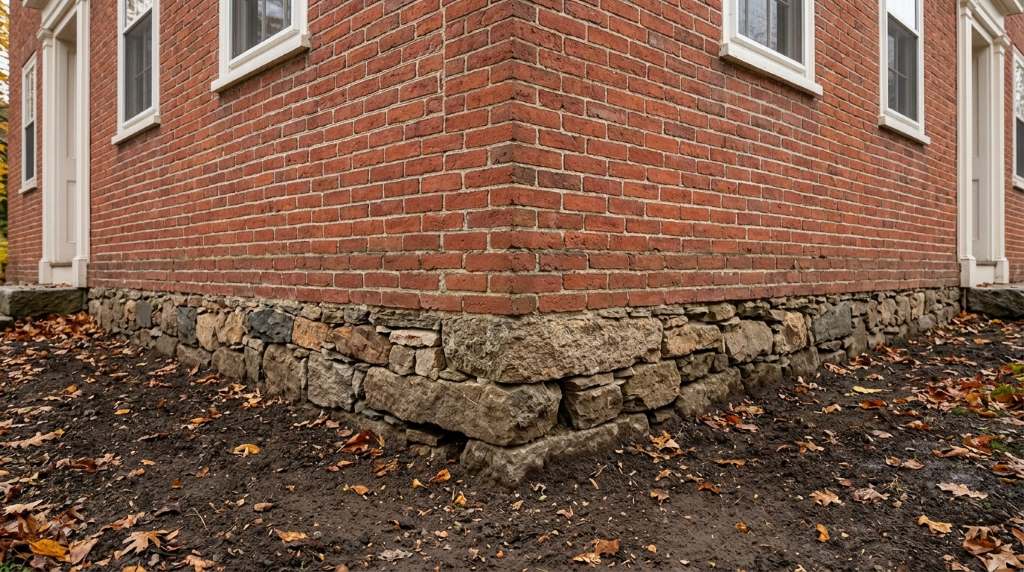
Foundation settlement remains the most common reason walls gradually move out of alignment. Soil beneath older homes naturally compresses after decades of seasonal moisture changes.
Consequently, uneven settlement creates stress throughout load bearing walls and supporting beams. Even small foundation movement eventually produces noticeable interior cracks.
Expansive Soil Conditions
Clay rich soil expands after heavy rainfall and shrinks during extended dry periods. Continuous movement slowly pushes foundations in different directions throughout the year.
Historic buildings often lack modern reinforcement systems that reduce these shifting pressures. Therefore, walls become increasingly vulnerable after repeated seasonal cycles.
Water Damage
Poor drainage allows excessive moisture to collect near foundation walls for long periods. Water gradually weakens soil strength while increasing structural instability.
Roof leaks also damage framing members hidden behind finished plaster and drywall surfaces. Eventually weakened framing permits wall movement inside living spaces.
How Climate Affects Historic Structures
Warm temperatures and frequent humidity continuously influence older building materials throughout every season. Wood naturally expands and contracts as moisture levels regularly change.
Likewise, repeated weather exposure slowly weakens mortar between historic bricks over several decades. Homeowners updating interiors with large wall decor should always confirm structural stability before installing heavy decorative items.
Strong storms occasionally produce flooding that softens surrounding soil beneath aging foundations. These conditions increase structural movement even after floodwaters completely disappear.
Warning Signs You Should Never Ignore
Wall shifts usually begin gradually before becoming severe structural concerns. Early detection allows homeowners to complete repairs before major damage develops.
- Diagonal cracks above windows and doors
- Doors that suddenly stick or fail to close
- Floors that noticeably slope
- Gaps between walls and ceilings
- Cracked brick mortar joints
- Separated interior trim
- Uneven window frames
Furthermore, decorative updates like board and batten wall ideas should never hide these warning signs before professional evaluation.
Why Older Building Materials Increase Structural Movement
Historic construction materials remain durable, although they naturally deteriorate after many decades. Original lime mortar behaves differently than modern cement based materials.
Wood framing also experiences gradual shrinkage as moisture slowly escapes throughout its lifetime. Consequently, walls may shift without immediate signs of foundation failure.
Brick walls often rely on interconnected structural systems instead of steel reinforcement. Small movement therefore spreads across wider sections of the building.
How Professional Inspections Protect Historic Homes
Professional inspections identify hidden structural problems before expensive repairs become unavoidable. Experienced specialists evaluate foundations, framing, masonry, drainage, and moisture conditions together.
Advanced measuring equipment detects movement too small for homeowners to notice visually. Early reports also establish useful baseline measurements for future monitoring.
Inspection findings help owners prioritize repairs according to actual structural risks instead of appearance. This strategy protects both financial investments and historic architectural value.
Practical Ways to Reduce Future Wall Movement
Preventive maintenance greatly reduces long term structural damage throughout historic homes. Small improvements often prevent expensive reconstruction projects later.
- Maintain proper yard drainage around foundations.
- Repair leaking plumbing immediately.
- Keep gutters clean throughout the year.
- Trim large tree roots near foundations.
- Seal masonry cracks before moisture spreads.
- Schedule regular structural inspections.
- Monitor indoor humidity levels consistently.
Additionally, documenting small cracks with dated photographs helps identify changing structural conditions. Consistent monitoring also provides valuable information for future inspections.
Repair Options for Shifting Historic Walls
Repair methods depend entirely upon the underlying cause of wall movement. Cosmetic patching rarely solves structural problems for long.
Foundation stabilization may involve underpinning, drainage improvements, or soil correction techniques. Masonry restoration also replaces deteriorated mortar while preserving historic appearance.
Damaged framing members sometimes require reinforcement instead of complete replacement. Preservation focused repairs protect original craftsmanship whenever possible.
Preserving Historic Character During Structural Repairs
Historic homes deserve thoughtful restoration that balances safety with architectural authenticity. Modern repair methods should complement original construction whenever practical.
Experienced restoration professionals carefully match replacement materials with existing historic finishes. This approach maintains visual consistency across repaired sections.
Successful preservation extends the home’s lifespan while protecting valuable neighborhood heritage. Owners also benefit from increased property value after quality structural improvements.
Conclusion
Understanding why New Orleans, LA historic homes suffer wall shifts helps homeowners recognize problems before serious structural damage occurs. Early inspections, consistent maintenance, and timely repairs protect both historic beauty and long term stability.
Do not ignore small cracks or sticking doors because they often signal larger structural concerns. Schedule a qualified structural inspection today to preserve your historic home’s strength, value, and architectural character.
Frequently Asked Questions
What causes wall shifts in historic homes?
Foundation movement, moisture changes, aging materials, and soil settlement commonly cause wall shifts.
Are small wall cracks always serious?
No, but growing or diagonal cracks should always receive professional evaluation.
Can poor drainage affect historic foundations?
Yes, excessive moisture weakens supporting soil and increases foundation movement.
How often should historic homes receive structural inspections?
Most experts recommend inspections every few years or whenever new movement appears.
Can wall shifts be repaired without losing historic character?
Yes, experienced restoration specialists can stabilize structures while preserving original architectural details.
You May Like
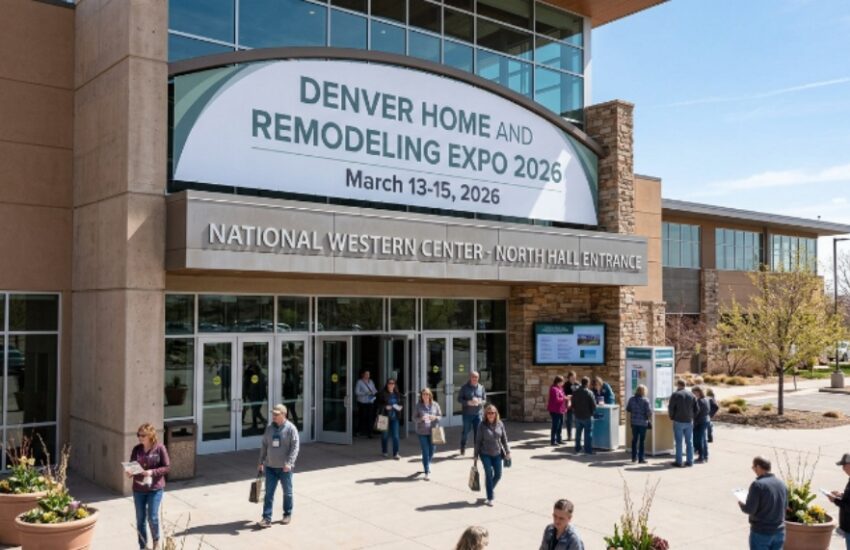
Denver Home and Remodeling Expo 2026: Home Improvement, and Remodeling