
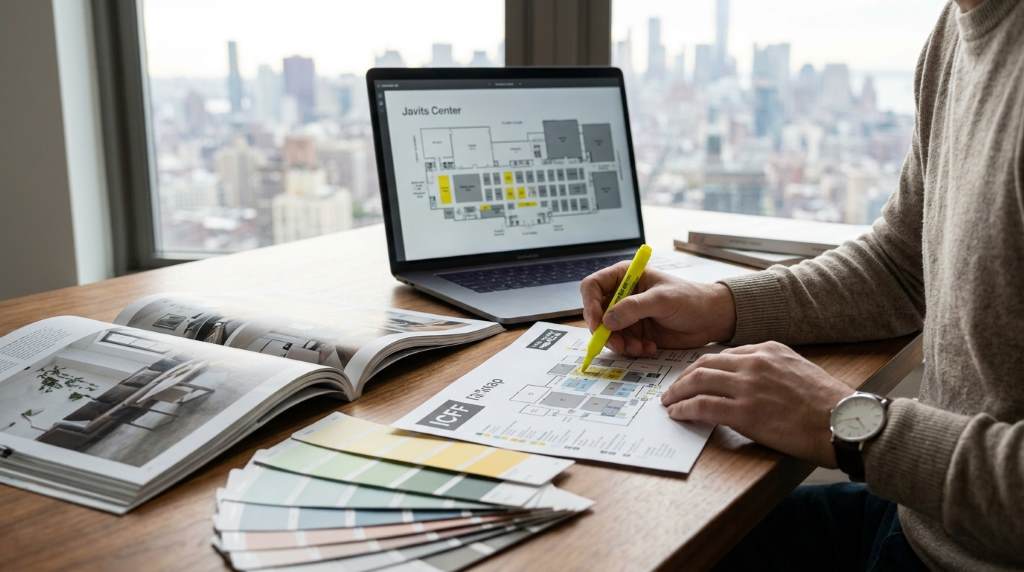
Planning ahead helps you enjoy every moment at ICFF while making valuable business connections. Thousands of professionals attend major design events every year, and exhibitors showcase hundreds of innovative products across multiple categories. Learning from contemporary furniture exhibitions also helps visitors understand industry trends before arriving. This guide explains practical preparation steps that improve your schedule, networking opportunities, and overall experience without unnecessary stress.
Understand the Event Before You Arrive
Start by researching the event schedule several weeks before your visit. Knowing featured exhibitors, keynote sessions, and product launches saves valuable time throughout the event.
Review floor plans carefully because large exhibition halls require efficient navigation. Reading design ideas like modern queen bedroom inspiration can also sharpen your eye for current interior styling trends.
Create a priority list instead of trying to visit every booth. This approach keeps your schedule organized while preventing unnecessary walking throughout the exhibition center.
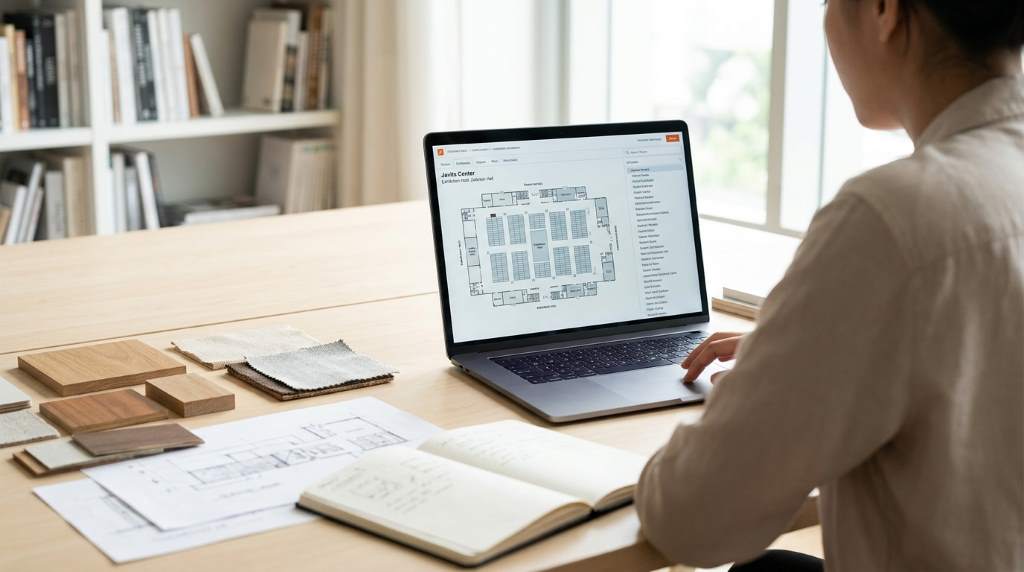
Create a Personalized Visit Plan
A detailed plan increases productivity during busy exhibition days. Divide your schedule into morning, afternoon, and networking sessions for better time management.
Identify Your Main Goals
Determine whether you want supplier contacts, design inspiration, educational sessions, or partnership opportunities. Clear objectives guide every decision during your visit.
Build a Flexible Schedule
Reserve extra time between appointments because unexpected discoveries often become the most valuable experiences. Flexibility also reduces stress when popular booths become crowded.
- Highlight must visit exhibitors.
- Mark educational sessions first.
- Schedule networking breaks.
- Leave room for spontaneous discoveries.
Register Early and Organize Essential Documents
Early registration often provides smoother entry and better planning opportunities. Additionally, storing confirmations digitally prevents unnecessary delays during check in.
Prepare identification, event confirmations, hotel details, and transportation information before departure. Reading practical renovation examples like historic homes wall shifts also broadens your understanding of structural design discussions you may encounter.
Save important files on both your phone and cloud storage. Printed copies also provide useful backups if technology fails unexpectedly.
Research Exhibitors and Featured Brands
Successful visitors study exhibitor lists before entering the exhibition hall. This preparation helps identify companies matching personal or business interests.
Prioritize High Value Booths
Mark exhibitors offering exclusive launches, demonstrations, or educational presentations. These experiences often provide greater value than casual browsing.
Prepare Smart Questions
Write several thoughtful questions before meeting exhibitors. Prepared conversations demonstrate professionalism while encouraging more detailed product discussions.
- Ask about material innovations.
- Discuss manufacturing processes.
- Learn future product plans.
- Request digital catalogs.
Pack Everything You Need
Comfort and preparation directly affect your experience throughout long exhibition days. Packing wisely prevents unnecessary interruptions while supporting productive networking.
Wear comfortable footwear because extensive walking becomes unavoidable during large exhibitions. Professional clothing also creates positive first impressions when meeting industry leaders.
Carry portable chargers, reusable water bottles, notebooks, business cards, and lightweight bags. These simple items improve convenience from morning until evening.
Improve Your Networking Strategy
Networking remains one of the biggest benefits of attending ICFF. Meaningful conversations often create partnerships that continue long after the event ends.
Introduce Yourself Confidently
Prepare a short introduction explaining your professional background and interests. A confident introduction encourages productive conversations with new contacts.
Exchange Information Effectively
Collect business cards while recording quick notes after every conversation. Those notes help you remember valuable discussions during future follow ups.
- Listen actively during conversations.
- Ask relevant industry questions.
- Respect everyone’s schedule.
- Follow up within several days.
Attend Educational Sessions
Educational presentations provide insights beyond product displays. Industry experts often discuss future materials, sustainability, manufacturing, and consumer preferences.
Take concise notes during every session because useful ideas fade quickly afterward. Organized notes also simplify future project planning.
Participating actively during question sessions increases learning opportunities. Furthermore, thoughtful participation helps professionals remember your name.
Capture Inspiration Responsibly
Photography helps preserve memorable products and creative display ideas. However, always respect exhibitor photography policies before taking pictures.
Organize images into folders immediately after each exhibition day. Simple organization saves significant time when reviewing ideas later.
Write short captions describing materials, colors, finishes, and manufacturers. These notes provide valuable context during future design projects.
Manage Your Time Throughout the Event
Busy exhibitions become overwhelming without disciplined scheduling. Therefore, review your priorities every few hours and adjust plans accordingly.
Avoid spending excessive time at any single booth unless discussions remain highly valuable. Balanced scheduling ensures broader exposure across the exhibition.
Take short breaks between meetings to recharge mentally and physically. Regular breaks maintain focus during demanding exhibition schedules.
Follow Up After ICFF
Your work continues after leaving the exhibition center. Prompt follow ups strengthen professional relationships established during the event.
Send personalized emails referencing specific conversations instead of generic messages. Personal details demonstrate genuine interest and improve response rates.
Review collected brochures, catalogs, and notes within several days. Immediate organization prevents valuable information from becoming forgotten.
Final Thoughts
Preparing carefully transforms ICFF into a productive learning and networking opportunity. Organized planning, smart scheduling, and meaningful conversations produce lasting professional value.
Start preparing early, stay flexible throughout the event, and connect with industry professionals confidently. Your preparation today can create opportunities that benefit future projects and business growth.
Frequently Asked Questions
What should I bring to ICFF?
Bring comfortable shoes, business cards, identification, a notebook, and a portable charger.
How early should I register?
Register as early as possible to simplify planning and secure event access.
Can I visit every exhibitor in one day?
No, prioritizing exhibitors provides a more productive experience.
Why are networking opportunities important?
Networking helps build valuable professional relationships and future business opportunities.
Should I follow up after the event?
Yes, timely follow ups strengthen connections and encourage future collaboration.
You May Like

Practical Ways to Improve Productivity While Working From Home