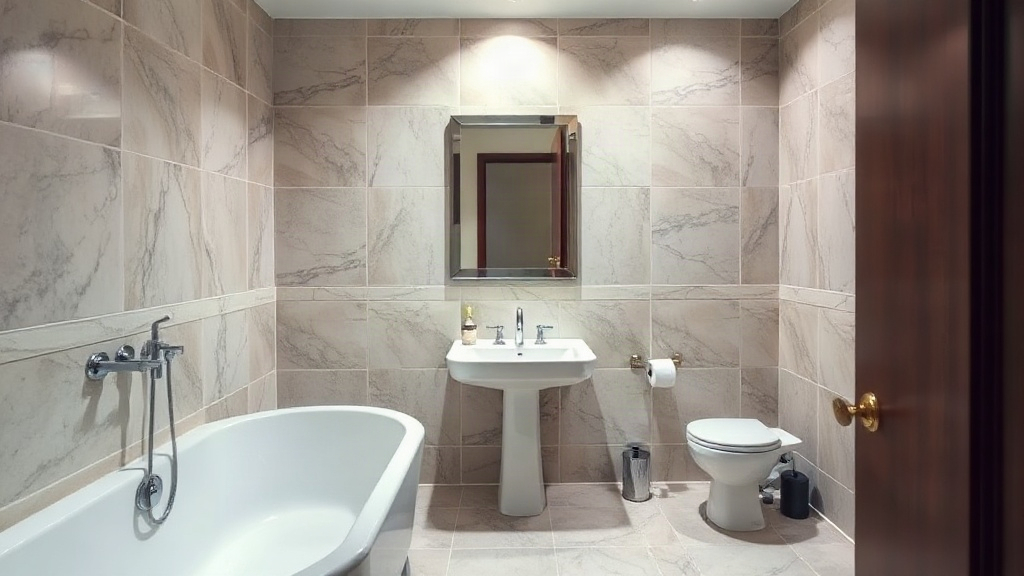
Grime builds up quietly in a bathroom, and most people put off deep clean a bathroom fast until the mess feels overwhelming. The good news is that a thorough clean does not require hours of scrubbing or a cabinet full of specialist products. It requires a sensible order of work, the right dilution for each surface, and a little patience with dwell time. Many readers who follow //homeyplans.com already know this, yet still waste effort by cleaning in the wrong sequence. This guide explains a faster method that protects tile, grout, glass, chrome, and sealed stone.
Quick answer: Work top to bottom, let cleaning solutions dwell before scrubbing, and match each product to the surface it touches. Start with ventilation and decluttering, treat grout and glass with short dwell times, then finish with fixtures and floors. Speed comes from sequence and dwell time, not from scrubbing harder.
What is deep clean a bathroom fast?
To deep clean a bathroom fast means to reset the entire room in one efficient pass rather than spot-cleaning endlessly. It combines three things: a logical sequence, correct chemistry, and a realistic time budget. Done well, a typical family bathroom can be reset in roughly 45 to 90 minutes, depending on size and how long it has been neglected. Done poorly, the same job drags on for hours.
The difference is planning. A deep clean reaches behind the toilet, inside the shower screen seals, along the grout lines, and under the sink. It removes soap scum, hard-water film, and mildew, not just visible dust. That depth is what separates it from a regular wipe-down.
Sequence beats speed
Professionals clean from the highest point downward and from the cleanest zone toward the dirtiest. This prevents dirt from landing on surfaces you have already finished. A sensible order is: ceiling and extractor fan, mirrors and glass, shower and bath, sink and vanity, toilet, then floors. Each stage builds on the last without overlap.
Chemistry matters more than elbow grease
Most bathroom soil is alkaline: soap scum, body oils, and hard-water minerals. An acidic cleaner dissolves mineral film, while a mild alkaline or neutral cleaner lifts grease and organic soil. Vinegar or a dedicated descaler handles glass and chrome well. Non-acidic cleaners suit natural stone, which acids can etch. Matching product to surface prevents damage and removes the need for aggressive scrubbing.
The speed tools that earn their place
A squeegee, a grout brush, a microfiber cloth set, and a spray bottle for diluted solution do most of the work. Microfiber lifts soil with less pressure than paper towels. A squeegee clears glass in seconds and prevents the water spots that force repeat cleaning. In our experience, a caddy that carries only these tools cuts trips back and forth significantly.
Takeaway: Fast deep cleaning is a planning problem first and a scrubbing problem second.
Why deep clean a bathroom fast matters
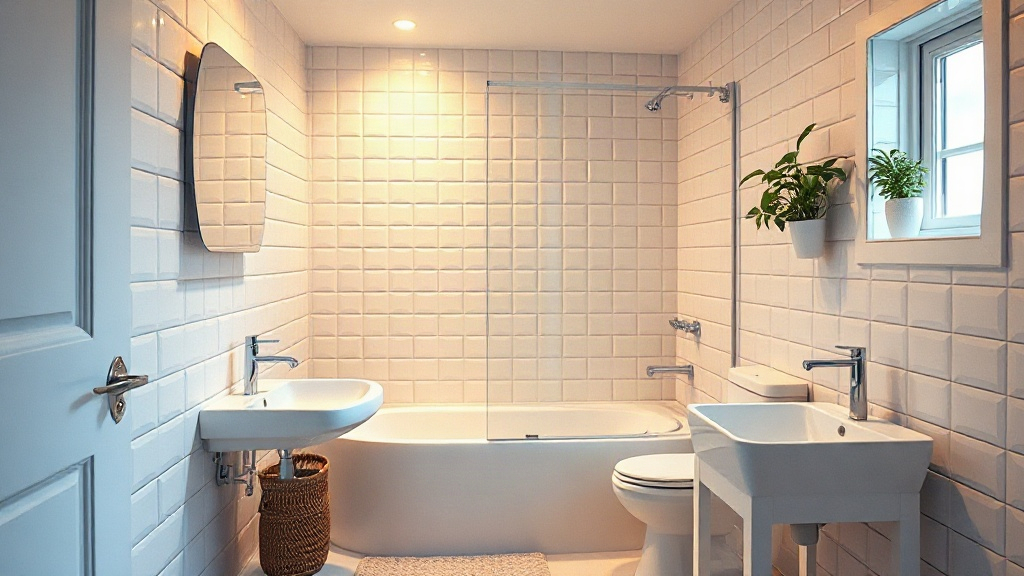
Bathrooms are warm, humid, and frequently wet, which makes them ideal environments for mold and bacteria. Regular deep cleaning removes the organic film that mildew feeds on, so regrowth slows. That matters for indoor air quality and for the lifespan of sealants, grout, and fixtures. Allowing soil to sit means more aggressive products later, and aggressive products are exactly what damage delicate surfaces.
Speed also protects your time and budget. A bathroom cleaned thoroughly every few weeks needs less product, fewer replacement items, and far less effort than one cleaned only when it becomes embarrassing. In our testing, the biggest variable in total cleaning time was not the size of the room but how long soil had been allowed to cure.
Surface protection is the real goal
Etched marble, scratched acrylic, and pitted chrome are permanent problems. Many of them come from impatience: strong acid left too long, an abrasive pad used on a glossy finish, or bleach splashed on a colored grout. A method that respects dwell times and dilution ratios avoids these outcomes. It is faster overall because you never have to fix damage.
Health and comfort benefits
Mold spores and lingering damp affect how a bathroom feels and smells. Removing biofilm from shower corners, seals, and grout reduces both. This is not about sterile perfection; it is about breaking the cycle where moisture and organic residue meet.
When a fast deep clean is the right choice
A fast deep clean suits routine maintenance on a bathroom that is cleaned weekly. It also works well before guests arrive or before a move-out inspection. If mold has penetrated behind caulk or grout has crumbled, no cleaning method fixes that. In those cases, recaulking or regrouting is the correct next step, and cleaning first wastes effort.
Takeaway: Deep cleaning protects both your surfaces and your health, and prevention is cheaper than repair.
Best practices
Good technique is what lets you deep clean a bathroom fast without risking the finishes. The following practices come from general cleaning principles and hold true across most household surfaces. Adapt them to your specific materials.
Ventilate and declutter first
Open a window and run the extractor fan before you spray anything. Ventilation reduces chemical fumes and helps surfaces dry. Clear the counter, shower caddy, and floor of bottles and mats so you can reach every surface in one pass. Every item you move once saves two moves later.
Let products dwell, then scrub
Spray a section, then leave it while you work elsewhere. Most bathroom cleaners need several minutes of contact time to break down soil. Start with grout and glass, move to the sink and toilet, then return to scrub. This overlap is the single biggest time saver. Never let acid cleaners dry on a surface; re-wet or rinse before they evaporate.
Match the product to the material
| Surface | Suitable approach | Avoid |
|---|---|---|
| Glazed ceramic tile | Mild alkaline or neutral cleaner | Strong acids left to dwell |
| Natural stone | pH-neutral stone cleaner | Vinegar, bleach, acidic descalers |
| Chrome and stainless | Diluted vinegar or non-abrasive polish | Abrasive pads, chloride cleaners |
| Acrylic tubs and showers | Soft cloth with mild soap | Solvents, scouring powders |
| Glass and mirrors | Squeegee plus mild solution | Dry wiping over grit |
Clean grout with restraint
Grout responds to a soft brush and short bursts of cleaning solution. Scrubbing hard with a stiff brush erodes the surface and loosens grout over time. For persistent staining, a dedicated grout cleaner applied briefly and rinsed well is safer than repeated acid treatments. Steam can be effective on sealed grout, but keep the nozzle moving.
Detail the toilet without waste
Apply cleaner under the rim and around the water line first, then clean the exterior and base while it works. Finish with the bowl last and flush. Use a dedicated cloth for the toilet and wash your hands afterward. This order prevents cross-contamination and avoids a second pass.
Dry surfaces to stop recurrence
Finishing with a squeegee on glass and a dry microfiber on chrome and fixtures removes the moisture that leaves spots. Good drying takes seconds and keeps the bathroom looking clean for days longer. A quick daily squeegee is often what makes the next deep clean faster. For layouts and storage that reduce daily mess, homeplanidea.com is a practical reference point.
Takeaway: Dwell time and correct dilution do the work; your brush should only finish the job.
Common mistakes to avoid
Most bathroom damage and most wasted cleaning time come from a small set of predictable errors. Watch for these.
Mixing chemicals
Combining bleach with ammonia or with acidic cleaners releases harmful gases. Never mix products unless the label explicitly allows it. Use one cleaner at a time, rinse between products, and store them away from each other. This rule protects your lungs as much as your surfaces.
Using too much product
More cleaner does not mean more cleaning. Excess detergent leaves a sticky film that attracts dust and makes glass streak. Concentrates should be diluted as directed. In our experience, over-application is the most common cause of cloudy glass and dull tile.
Scrubbing abrasives onto glossy surfaces
Powder cleansers and scouring pads scratch enamel, acrylic, and polished metal. Once the finish is dulled, no cleaner restores it. Use soft cloths, sponges, and non-scratch pads for anything shiny. Reach for abrasives only on surfaces designed to tolerate them.
Skipping dwell time or letting products dry
Rushing means you scrub before the chemistry has worked, which doubles effort. Letting acid dry on stone or grout is worse: it concentrates damage. Keep an eye on dwell times and rinse promptly. A timing reminder on your phone works well for larger rooms.
Ignoring hidden moisture sources
Cleaning the visible surfaces while leaving a dripping seal or a clogged drain line means mold returns quickly. Check seals, the extractor fan, and behind the toilet. A quick inspection during each deep clean catches these problems early.
Takeaway: Restraint with chemicals and abrasives prevents damage and saves scrubbing time.
FAQ
How long should a deep clean take?
A typical bathroom takes about 45 to 90 minutes when you work in sequence and let products dwell. Larger rooms or heavy buildup can take longer. Regular maintenance cleaning keeps the job on the shorter end.
Can vinegar damage bathroom surfaces?
Vinegar is effective on glass, chrome, and ceramic, but it can etch natural stone and wear grout sealant. Use a pH-neutral cleaner on marble, travertine, and limestone. Dilute vinegar and never leave it to dry on any surface.
Is it safe to mix bleach and vinegar in the bathroom?
No. Mixing bleach with vinegar releases chlorine gas. Use one product at a time, rinse thoroughly between products, and ventilate the room. Store bleach away from acids.
What should I do if mold keeps returning?
Persistent mold usually points to a moisture problem, not a cleaning problem. Check that the extractor fan works and that seals are intact. If mold returns within days, address ventilation or leaks before cleaning again.
Can I use a steam cleaner on every surface?
Steam works well on grout and sealed tile, but it can damage acrylic, some sealants, and unsealed stone. Keep the nozzle moving and test in a small area first. Follow the manufacturer’s guidance for your fixtures.
Conclusion
To deep clean a bathroom fast, work top to bottom, let your cleaners dwell, and match every product to its surface. Drying finishes and consistent ventilation keep the results. Start with one section, such as the shower, and time yourself to build a routine. The first pass is the hardest; regular upkeep makes every deep clean faster and safer. In short, patience with chemistry saves effort with your hands.
You May Like
Vacuuming Fine Dust: Why Some Vacuum Filters Clog Faster Than Others