
Cultivating a thriving garden can be a rewarding endeavor, adding beauty and tranquility to your surroundings. Whether you’re an experienced gardener or a novice enthusiast, these essential tips will help you create a flourishing green space that brings joy throughout the seasons.
Understanding Your Garden’s Microclimate
The foundation of a successful garden begins with understanding its unique microclimate. Factors such as sunlight exposure, wind patterns, and soil type play a pivotal role in plant selection and placement. Observe your garden throughout the day to determine the areas that receive full sun, partial shade, or full shade. This knowledge will guide you in choosing plants that thrive in those specific conditions.
Selecting the Right Plants
Choosing the right plants is crucial for a flourishing garden. Opt for varieties that are well-suited to your region’s climate and soil conditions. Native plants are often a great choice, as they’ve adapted to thrive in the local environment. Consider incorporating a mix of perennials, annuals, shrubs, and trees to create a diverse and visually appealing landscape.
Soil Preparation and Enrichment
Healthy soil is the bedrock of a vibrant garden. Before planting, take the time to prepare and enrich the soil. Start by removing any weeds or debris. Then, incorporate organic matter such as compost, aged manure, or leaf mold. These amendments improve soil structure, drainage, and fertility, providing plants with the nutrients they need to flourish.
Related: Managing Pests in Container Gardening
Planting Techniques
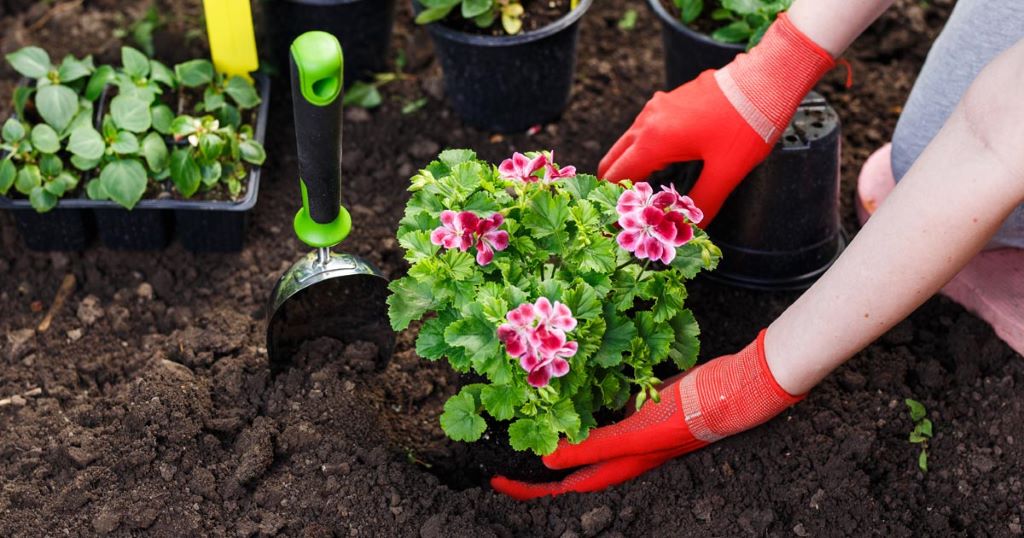
Proper planting techniques are essential for ensuring the success of your garden. Dig holes that are slightly larger than the root ball of the plant. Place the plant in the hole, ensuring the top of the root ball is level with the surrounding soil. Gently backfill the hole with soil, firming it around the base of the plant. Water thoroughly after planting to settle the soil and encourage root establishment.
Watering Wisely
Consistent watering is crucial for plant health, especially during the establishment phase. However, overwatering can be detrimental. Aim to water deeply and less frequently, allowing the soil to dry slightly between waterings. This encourages plants to develop deep root systems that are more resilient to drought.
Mulching for Moisture Retention and Weed Suppression
Mulching offers numerous benefits for your garden. A layer of organic mulch, such as wood chips, straw, or shredded leaves, helps to retain moisture in the soil, suppressing weed growth and regulating soil temperature. Mulch also adds a neat and finished appearance to your garden beds.
Fertilizing for Optimal Growth
Fertilizing provides plants with essential nutrients for optimal growth and development. Choose a balanced fertilizer that is appropriate for your plant types. Follow the manufacturer’s instructions for application rates and timing. Over-fertilizing can harm plants, so it’s important to apply fertilizer sparingly.
Pruning and Maintenance
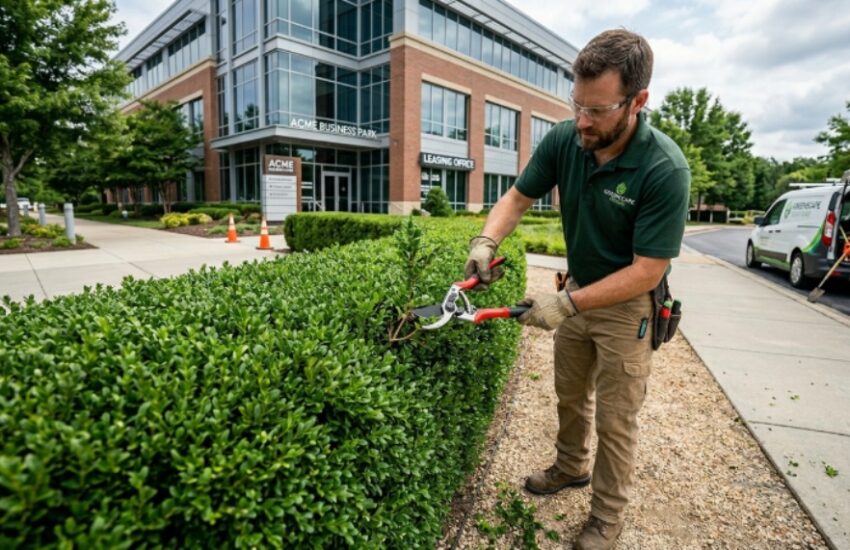
Regular pruning and maintenance are essential for keeping your garden in top shape. Remove spent flowers to encourage continued blooming. Prune shrubs and trees to maintain their desired shape and size. Remove any dead, diseased, or damaged branches. Regularly inspect your plants for signs of pests or diseases and take prompt action if necessary.
Pest and Disease Management
Pests and diseases can quickly wreak havoc on your garden. Practice good cultural practices, such as providing adequate spacing between plants, to prevent the spread of diseases. Monitor your plants for signs of pests and use organic pest control methods whenever possible. Introduce beneficial insects, such as ladybugs and lacewings, to help control pest populations.
How to Make a Simple Garden: A Step-by-Step Guide for Beginners
Seasonal Garden Care
Gardening is a year-round endeavor. Adjust your gardening practices to suit the seasons. In spring, focus on planting, fertilizing, and mulching. In summer, monitor watering needs and protect plants from extreme heat. In fall, prepare your garden for winter by cleaning up debris and protecting tender plants. In winter, plan for the upcoming season and enjoy the tranquility of your dormant garden.
Embracing Sustainable Practices
Sustainable gardening practices are essential for protecting the environment and promoting healthy ecosystems. Conserve water by using rainwater harvesting systems or drip irrigation. Compost kitchen scraps and yard waste to create nutrient-rich organic matter. Choose organic fertilizers and pesticides to minimize chemical exposure.
Conclusion
By following these essential tips, you can create a thriving garden that brings joy and beauty to your life. Remember, gardening is a journey of learning and experimentation. Embrace the challenges, celebrate the successes, and enjoy the fruits of your labor.