
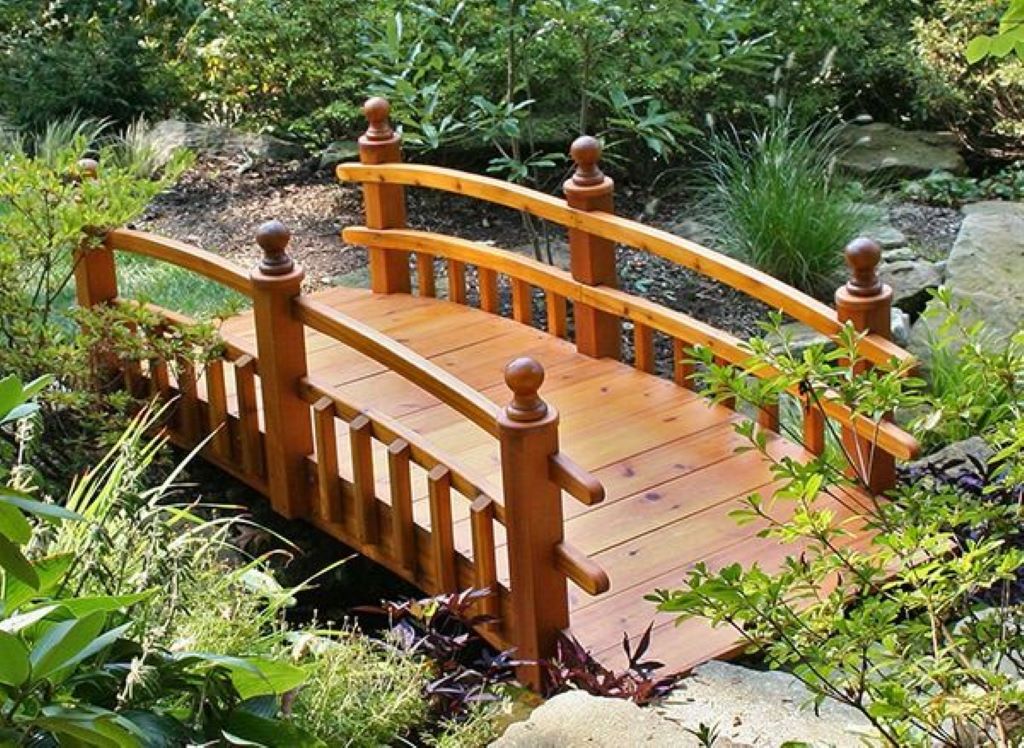
A charming wooden bridge adds a touch of whimsy and functionality to your garden, gracefully connecting different sections and offering a picturesque focal point. But like any outdoor structure, safety comes first. By following these tips, you can ensure your bridge remains a haven of tranquility for years to come, fostering both beauty and peace of mind.
Choosing the Right Wooden Bridge:
The foundation of safety starts with selecting a bridge that suits your needs and environment. Here are some key considerations:
- Size and Weight Capacity: Determine the bridge’s intended use. Will it be a decorative pathway for light foot traffic, or will it need to support heavier loads like wheelbarrows? Choose a bridge with a weight capacity that exceeds your anticipated needs.
- Material: Pressure-treated lumber is a popular choice for its resistance to rot and insects. Cedar and redwood offer natural rot resistance but may require additional sealing. Consider your budget and desired aesthetics.
- Design: Arched bridges are generally more stable than flat designs. Opt for a bridge with sturdy railings, especially if children will be using it. Ensure the steps (if any) have a comfortable rise and a non-slip surface.
Building a Safe Foundation:
- Site Selection: Choose a location with firm, level ground that can support the bridge’s weight. Avoid areas prone to flooding or excessive water runoff.
- Footings: For larger bridges, consider using concrete footings to distribute the weight evenly and prevent settling. Consult a professional for guidance on proper footing installation.
Construction and Maintenance: Wooden Bridge
- Follow Instructions: If building the bridge yourself, meticulously follow the manufacturer’s instructions for assembly and ensure all connections are secure.
- Hardware: Use galvanized or stainless steel hardware that resists rust and corrosion in outdoor environments.
- Surface Treatment: Apply a high-quality wood preservative or stain that protects the wood from moisture damage, UV rays, and insect infestation. Reapply the treatment periodically as recommended by the manufacturer.
Maintaining Safety:
- Regular Inspections: Visually inspect your bridge at least annually for signs of wear and tear, such as loose boards, warped planks, or deteriorating railings. Address any issues promptly.
- Slip Prevention: For bridges used in wet or icy conditions, consider applying a non-slip coating to the walking surface.
- Lighting: If your bridge is used at night, install adequate outdoor lighting to improve visibility and prevent falls.
- Clear the Path: Keep the area around the bridge free of debris, leaves, and snow to avoid tripping hazards.
How to Fence for Beginners: Stepping into the World of Fencing
Additional Considerations:
- Permits: In some areas, building a bridge may require a permit from your local building department. Check with your local authorities before starting construction.
- Accessibility: If you or someone in your household has mobility limitations, consider installing handrails on both sides of the bridge for added support.
- Winterization: In areas with harsh winters, you may need to take additional steps to protect your bridge from snow and ice accumulation. This might involve covering the bridge with a tarp or regularly removing snow and ice build-up.
Related: How to Make a Simple Garden: A Step-by-Step Guide for Beginners
Beyond Safety: Enhancing the Experience of Wooden Bridge
While safety is paramount, you can also personalize your bridge for added enjoyment:
- Planting: Surround the bridge with beautiful flowers, ferns, or small shrubs to create a picturesque setting.
- Lighting: String lights or solar-powered lanterns along the bridge railings can add a touch of magic at night.
- Seating: Place a small bench or seating area near the bridge for a peaceful spot to relax and admire your garden.
Conclusion:
By prioritizing safety and incorporating these tips, your wooden bridge can become a cherished element in your garden for years to come. It will serve not only as a functional passage but also as a place for reflection, relaxation, and connection with nature. Remember, a safe bridge is not just about preventing accidents; it’s about fostering a sense of security and tranquility, allowing you to fully appreciate the beauty of your garden sanctuary.