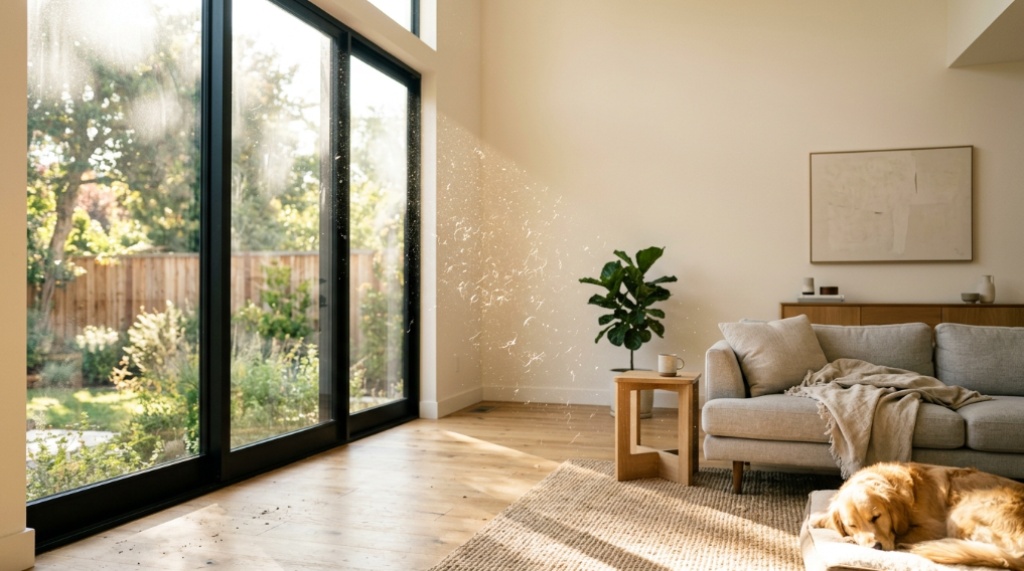
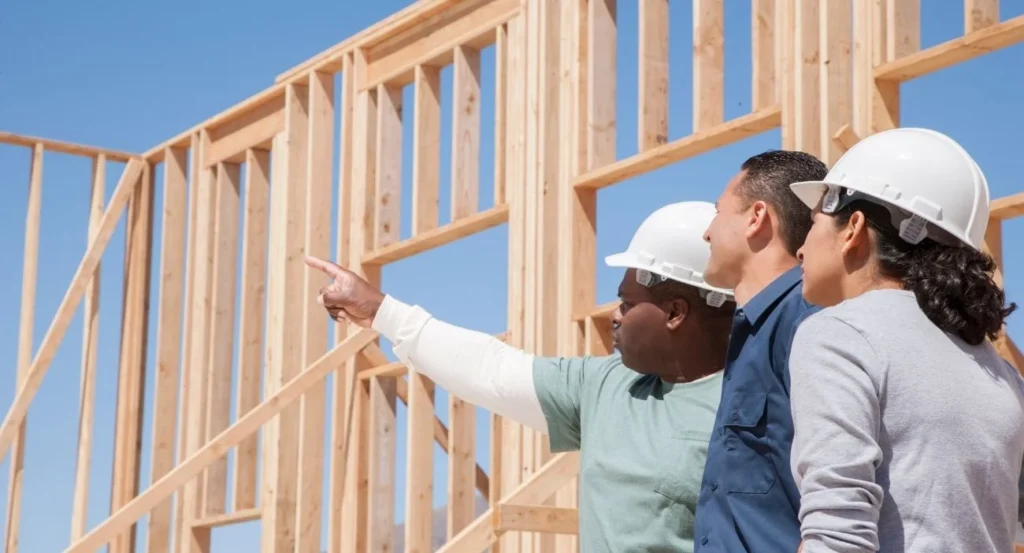
Building your own home is a dream for many. It’s the ultimate expression of personal style and a chance to create a space that perfectly suits your needs. But it’s also a complex process that requires careful planning, budgeting, and execution. This guide will walk you through the entire journey, from finding the perfect plot to handing over the keys to your dream home.
Understanding the Real Estate Market
The first step in building your dream home is finding the right piece of land. This involves navigating the complex world of real estate. It can be overwhelming, but with the right knowledge, you can find the perfect plot.
Location, Location, Location
They say it’s the most important factor in real estate, and it’s true. Where you build your home will impact everything from your commute to your property value. Consider factors like proximity to schools, hospitals, shopping centers, and public transportation. Also, think about the neighborhood vibe. Do you want a quiet suburban life or the hustle and bustle of the city?
Land Prices and Market Trends
Land prices vary widely depending on location, size, and zoning restrictions. Researching local market trends can help you make informed decisions. A booming market might mean higher prices, but it also indicates potential for future property value appreciation.
Zoning Laws and Restrictions
Before you fall in love with a plot, check the local zoning laws. These regulations dictate what you can build on the land. You don’t want to buy a property only to find out you can’t build your dream home there.
Finding the Perfect Plot
Once you’ve defined your ideal location and understand the market, it’s time to start searching for land. Here are some tips:
- Online Listings: Websites like Zillow, Realtor.com, and local real estate portals are great starting points.
- Local Real Estate Agents: A good agent can help you find off-market listings and negotiate the best deal.
- Networking: Talk to friends, family, and neighbors. They might know about land for sale.
Financing Your Dream Home
Building a house is expensive. You’ll need a solid financial plan to make it happen.
Construction Loans
Unlike traditional mortgages, construction loans are designed to cover the costs of building your home. They typically have higher interest rates, but they provide the flexibility you need during the construction process.
Down Payment
You’ll need a down payment for your construction loan. The required percentage varies, but it’s usually higher than for a traditional mortgage.
Budgeting
Create a detailed budget that includes the cost of land, construction, permits, and unexpected expenses. Overestimating is always better than underestimating.
Designing Your Dream Home
Now comes the fun part – designing your home. This is your chance to create a space that perfectly reflects your style and needs.
Architectural Styles
There are countless architectural styles to choose from. Do you prefer the classic elegance of Georgian, the modern lines of Contemporary, or the rustic charm of Farmhouse?
Floor Plans
Consider how you want to use your space. Open floor plans are popular for their airy feel, while traditional layouts offer more privacy.
Interior Design
Think about your desired aesthetic. Do you love minimalist chic, bohemian eclecticism, or cozy farmhouse?
Hiring the Right Builder
Choosing the right builder is crucial for the success of your project. Here’s what to look for:
- Experience: A builder with a proven track record is more likely to deliver a quality product.
- Reputation: Check online reviews and talk to past clients.
- Licensing and Insurance: Ensure the builder is licensed and insured.
- Communication: Good communication is essential for a smooth project.
The Construction Process
Building a home is a complex process with many moving parts. Here’s a general overview:
- Site Preparation: Clearing the land, excavating for the foundation, and preparing utilities.
- Foundation: Pouring the concrete foundation is the first structural element.
- Framing: Building the skeleton of the house with wood or steel.
- Roofing: Installing the roof protects your home from the elements.
- Plumbing and Electrical: Installing the plumbing and electrical systems.
- HVAC: Installing the heating, ventilation, and air conditioning system.
- Insulation: Adding insulation for energy efficiency and comfort.
- Drywall: Covering the walls and ceilings with drywall.
- Exterior Finishes: Siding, windows, doors, and other exterior elements.
- Interior Finishes: Flooring, paint, cabinetry, and fixtures.
Managing the Construction Process
Building a home can be stressful. Here are some tips for staying organized and managing the process:
- Regular Communication: Maintain open communication with your builder.
- Site Visits: Visit the construction site regularly to monitor progress.
- Change Orders: Be prepared for unexpected costs and changes.
- Permits and Inspections: Stay on top of required permits and inspections.
The Joy of Moving In
After months of planning and construction, the day finally arrives when you can move into your dream home. It’s a moment of pure joy and satisfaction.
Conclusion
Building your own home is a rewarding experience, but it’s also a big undertaking. By carefully planning, budgeting, and selecting the right team, you can turn your dream into a reality. Remember, it’s your home, so make it a reflection of your unique style and personality.