
Marble countertops exude timeless elegance and sophistication, adding a touch of luxury to any kitchen or bathroom. However, their porous nature makes them susceptible to staining and etching, especially from acidic substances like lemon juice, vinegar, and wine. This is where sealing comes in. Sealing creates an invisible barrier that helps protect your marble from damage, preserving its beauty for years to come. But how often do you really need to seal your marble countertops? Let’s delve into the details.
Understanding Marble and Its Vulnerability
Marble is a metamorphic rock composed primarily of calcite, a mineral that reacts with acids. When acidic substances come into contact with marble, they cause a chemical reaction that dissolves a tiny amount of the surface, leaving a dull spot known as an etch. Spills that are not promptly wiped up can also penetrate the stone, causing unsightly stains.
Sealing helps to mitigate this vulnerability. A sealant is a liquid that penetrates the pores of the marble, creating a protective layer that repels liquids and prevents staining. However, sealants are not foolproof and do not make your marble indestructible. They simply provide an extra layer of defense and give you more time to wipe up spills before they cause damage.
How Often Should You Seal?
The frequency with which you need to seal your marble countertops depends on several factors, including:
- Type of Marble: Some marbles are denser and less porous than others, requiring less frequent sealing. For instance, honed marble generally needs to be sealed more often than polished marble due to its more porous surface.
- Usage: High-traffic kitchens that see a lot of cooking and spills will require more frequent sealing than a bathroom vanity that receives less use.
- Lifestyle: If you have young children or entertain frequently, your countertops may be more prone to spills and require more frequent sealing.
- Type of Sealer: Different sealants have varying lifespans. Some may last for a few years, while others may need to be reapplied annually.
General Guidelines:
As a general rule of thumb, most experts recommend sealing marble countertops every 6 to 12 months. However, this is just a guideline. The best way to determine when your countertops need to be resealed is to perform a simple water test:
- Splash some water on the countertop.
- Wait for 10-15 minutes.
- Observe the water droplets.
If the water beads up on the surface, your sealant is still effective. If the water is absorbed into the stone, darkening it, it’s time to reseal.
Pro Tip: It’s always better to err on the side of caution and seal your countertops more frequently than not. This will help to ensure that they remain protected and looking their best.
Choosing the Right Sealer
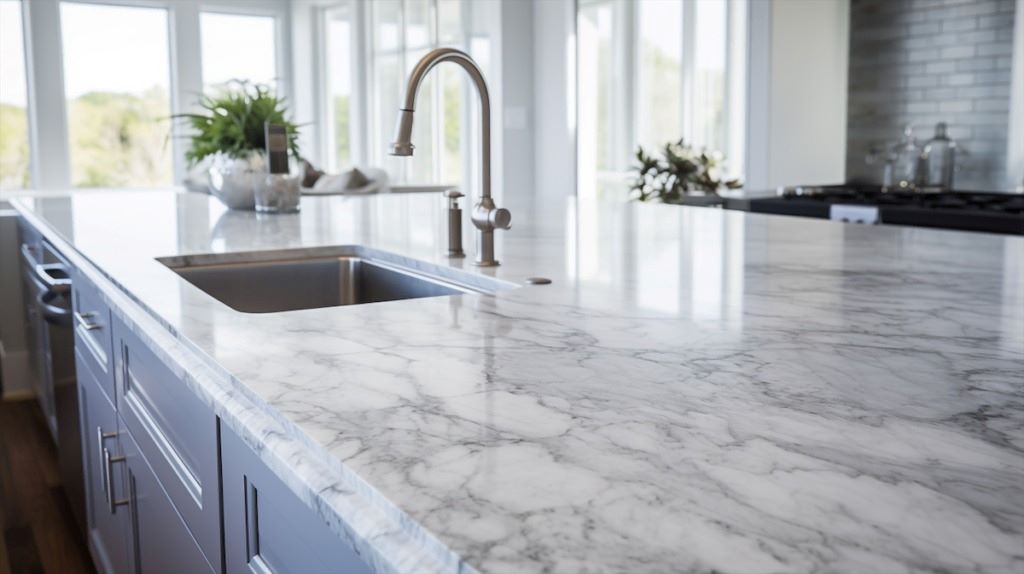
There are two main types of sealers for marble countertops: topical sealers and penetrating sealers.
Topical Sealers:
- Form a protective layer on the surface of the stone.
- Provide good stain resistance but limited etch protection.
- Can alter the appearance of the stone, making it look shiny or glossy.
- Tend to wear down more quickly and require more frequent reapplication.
Penetrating Sealers:
- Penetrate below the surface of the stone, filling the pores.
- Offer good stain and etch resistance.
- Do not significantly alter the appearance of the stone.
- Typically last longer than topical sealers.
For most marble countertops, penetrating sealers are the preferred choice. They offer superior protection and do not change the natural look and feel of the stone.
When choosing a sealer, look for the following features:
- High-quality: Choose a reputable brand known for producing durable and effective sealers.
- Food-safe: Ensure the sealer is safe for use on surfaces that come into contact with food.
- Low VOCs: Opt for a sealer with low volatile organic compounds (VOCs) to minimize harmful fumes.
- Easy application: Choose a sealer that is easy to apply and does not require specialized equipment.
Sealing Your Marble Countertops: A Step-by-Step Guide
Sealing your marble countertops is a relatively straightforward process that you can do yourself. Here’s a step-by-step guide:
- Clean the surface thoroughly: Use a gentle cleaner specifically designed for natural stone. Avoid acidic cleaners, which can etch the marble.
- Dry the countertop completely: Allow the countertop to air dry for several hours or overnight.
- Apply the sealer: Follow the manufacturer’s instructions carefully. Typically, you will apply the sealer with a clean cloth or sponge, working in small sections.
- Allow the sealer to penetrate: Let the sealer sit on the surface for the recommended amount of time, usually 5-10 minutes.
- Wipe off excess sealer: Use a clean cloth to remove any excess sealer.
- Allow the sealer to cure: Do not use the countertop for the recommended curing time, usually 24-48 hours.
Pro Tip: Always test the sealer on an inconspicuous area of the countertop before applying it to the entire surface. This will help you ensure that the sealer does not cause any unwanted discoloration or changes to the appearance of the stone.
Reviews of Popular Marble Sealers
Here are some reviews of popular marble sealers to help you make an informed choice:
- StoneTech BulletProof Sealer: This is a highly-rated penetrating sealer that offers excellent stain and etch protection. It’s easy to apply and leaves a natural finish. Many users praise its long-lasting performance and ability to repel even tough stains like red wine and coffee.
- Miracle Sealants 511 Impregnator Sealer: Another popular penetrating sealer, this product is known for its deep penetration and long-lasting protection. It’s also breathable, allowing the stone to release moisture and prevent cracking. Users appreciate its effectiveness and ease of use.
- Black Diamond Stoneworks Granite Sealer: While marketed for granite, this sealer also works well on marble. It’s a water-based sealer that provides good stain and etch resistance. Users like its low odor and quick drying time.
- Aqua Mix Sealer’s Choice Gold – Rapid Cure: This fast-curing sealer is a good option for busy households. It offers excellent protection and dries quickly, allowing you to use your countertops sooner. Users appreciate its durability and ease of application.
Remember to read reviews carefully and consider your specific needs and preferences when choosing a sealer.
Pros and Cons of Sealing Marble Countertops
Pros:
- Enhanced stain resistance: Sealing helps to prevent stains from penetrating the marble, making it easier to clean and maintain.
- Improved etch resistance: While sealers cannot completely prevent etching, they can significantly reduce its severity and make etches less noticeable.
- Preserves the beauty of the marble: Sealing helps to protect the marble from damage, preserving its natural beauty and luster for years to come.
- Increases longevity: By protecting the marble from stains and etches, sealing can help to extend the lifespan of your countertops.
Cons:
- Not a permanent solution: Sealers need to be reapplied periodically, which can be time-consuming and require some effort.
- Can be costly: High-quality sealers can be expensive, and the cost of resealing can add up over time.
- May slightly alter the appearance of the stone: Some sealers can enhance the color or shine of the marble, which may not be desirable for everyone.
- Does not make the marble indestructible: Even with sealing, marble is still susceptible to damage from harsh chemicals, abrasive cleaners, and heavy impacts.
Frequently Asked Questions (FAQ)
-
Can I use any type of sealer on marble?
No, it’s important to use a sealer specifically designed for natural stone, preferably one that is formulated for marble. Using the wrong type of sealer can damage the stone or be ineffective.
-
How do I know if my countertops have been sealed?
Perform the water test described earlier. If the water beads up, your countertops are likely sealed. If the water is absorbed, they need to be sealed.
-
Can I seal my marble countertops myself?
Yes, sealing marble countertops is a DIY-friendly project. Just follow the manufacturer’s instructions carefully.
-
How long do I need to wait to use my countertops after sealing?
The curing time varies depending on the sealer, but it’s typically 24-48 hours. Refer to the manufacturer’s instructions for specific guidance.
-
What should I do if I spill something on my sealed marble countertop?
Wipe up spills immediately with a soft cloth and mild cleaner. Avoid using abrasive cleaners or scrubbers, which can damage the sealer and the stone.
-
Can I use vinegar to clean my marble countertops?
No, vinegar is acidic and can etch marble. Use a pH-neutral cleaner specifically designed for natural stone.
-
How can I remove etches from my marble countertops?
Minor etches can sometimes be removed with a poultice made from baking soda and water. For deeper etches, you may need to hire a professional stone restoration specialist.
-
How can I prevent staining on my marble countertops?
Use coasters under glasses, placemats under dishes, and wipe up spills immediately. Avoid cutting directly on the marble surface.
-
How long do marble countertops last?
With proper care and maintenance, including regular sealing, marble countertops can last for decades.
-
Are marble countertops a good investment?
Yes, marble countertops are a valuable investment that can increase the value of your home. They are beautiful, durable, and with proper care, can last for generations.
Conclusion
Sealing your marble countertops is an essential part of maintaining their beauty and longevity. By understanding the factors that influence sealing frequency, choosing the right sealer, and following proper sealing procedures, you can ensure that your marble countertops remain a stunning focal point in your home for years to come. Remember to perform regular water tests to assess the effectiveness of your sealer and reseal as needed to keep your countertops protected and looking their best.
Read More: