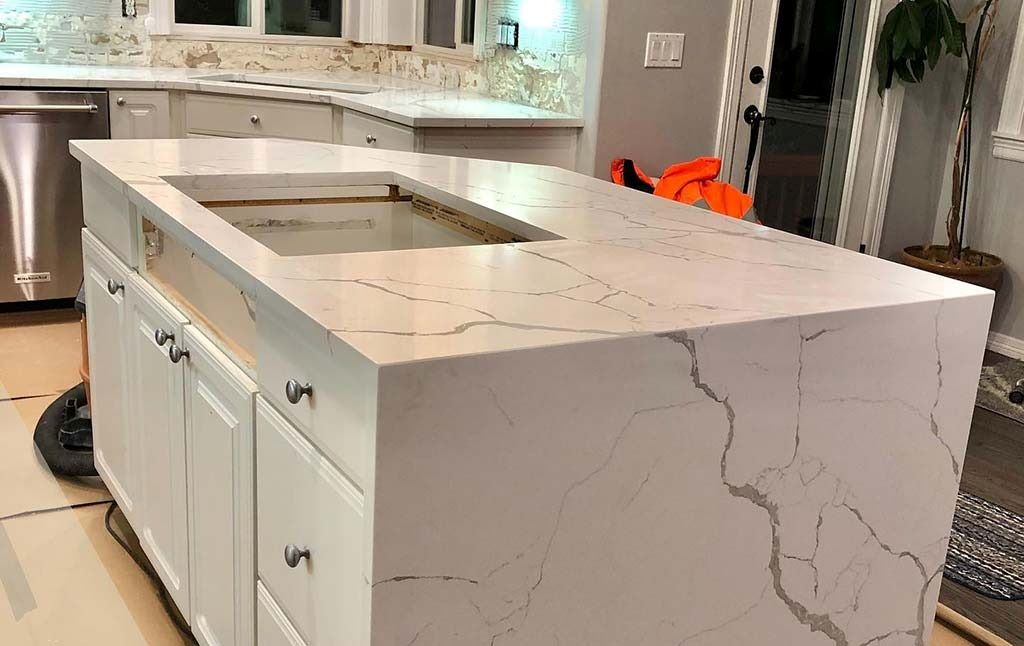
Quartz countertops have become increasingly popular in recent years due to their durability, low maintenance, and wide range of colors and patterns. Manufacturers engineer quartz countertops with a mix of crushed quartz and resin, unlike natural stones like granite and marble. This makes them less porous and resistant to stains and scratches. Homeowners often ask whether they need to seal quartz countertops and, if so, how often.
In this comprehensive guide, we’ll delve into the intricacies of sealing quartz countertops, exploring the factors that influence the frequency of sealing, the pros and cons of sealing, and provide answers to some frequently asked questions.
Do you really need to seal quartz countertops?
The answer to this question is a bit nuanced. Unlike natural stone countertops that are inherently porous and require sealing to prevent staining, quartz countertops are non-porous due to the resin used in their manufacturing process. This means that liquids and spills cannot easily penetrate the surface, making them highly resistant to stains.
However, while sealing is not strictly necessary for stain protection, it can offer some benefits, such as enhancing the shine and luster of the countertop and providing an extra layer of protection against potential damage.
Factors Influencing Sealing Frequency
Several factors can influence how often you might consider sealing your quartz countertops:
- Quality of the Quartz: Some quartz manufacturers pre-seal their countertops during production, while others do not. If your countertop has been pre-sealed, it may not require sealing for several years.
- Usage and Lifestyle: If your kitchen sees heavy use with frequent spills and exposure to acidic substances, you might consider sealing more often to maintain the protective layer.
- Desired Appearance: If you prefer a high-gloss finish and want to enhance the shine of your countertop, more frequent sealing can help achieve that.
- Manufacturer’s Recommendations: It’s always advisable to consult the manufacturer’s care and maintenance instructions for your specific quartz countertop. They may provide recommendations on sealing frequency or specific sealants to use.
Pros and Cons of Sealing Quartz Countertops
Pros:
- Enhanced Shine and Luster: Sealing can enhance the natural beauty of your quartz countertop, giving it a glossy finish that can make it look more vibrant and appealing.
- Added Protection: While quartz is already resistant to stains, sealing can provide an extra layer of protection against potential damage from spills, scratches, and heat.
- Easier Cleaning: A sealed surface can be easier to clean and maintain, as spills and stains are less likely to penetrate the surface.
Cons:
- Unnecessary for Stain Protection: As mentioned earlier, quartz is inherently non-porous, so sealing is not strictly necessary for stain resistance.
- Potential for Discoloration: Using the wrong type of sealant or improper application can lead to discoloration or a hazy appearance on the countertop.
- Added Cost and Effort: Sealing requires purchasing a sealant and investing time and effort in the application process.
How to Seal Quartz Countertops
If you decide to seal your quartz countertops, here’s a step-by-step guide:
- Clean the Countertop: Thoroughly clean the countertop with a mild detergent and warm water to remove any dirt, grease, or grime. Rinse well and dry completely.
- Apply the Sealant: Follow the manufacturer’s instructions for the specific sealant you’ve chosen. Typically, you’ll apply a small amount of sealant to a clean cloth and wipe it onto the countertop in a circular motion.
- Allow to Dry: Let the sealant dry completely according to the manufacturer’s instructions. This may take several hours or overnight.
- Buff the Surface: Once the sealant is dry, use a clean, soft cloth to buff the surface to a shine.
Reviews of Popular Quartz Countertop Sealants
Here are some reviews of popular quartz countertop sealants:
- Stone Tech Bulletproof Sealer: This sealant is specifically designed for quartz and other natural stone surfaces. It provides a high-gloss finish and excellent stain protection. Users praise its ease of application and long-lasting durability.
- Black Diamond Stoneworks Granite Sealer: Another popular choice for quartz countertops, this sealant offers a natural-looking finish and good stain resistance. This paint is also water-based and VOC-free, so it’s a more environmentally friendly option.
- Granite Gold Sealer: This sealant is a good all-around option for quartz and other stone surfaces. It provides a decent level of stain protection and enhances the shine of the countertop. However, some users find it a bit thinner than other sealants and may require more coats for optimal results.
Note: It’s crucial to choose a sealant specifically designed for quartz countertops. Avoid using sealants meant for natural stone, as they may contain chemicals that can damage the resin in quartz.
Frequently Asked Questions (FAQ)
Q: How can I tell if my quartz countertop is sealed?
A: Test your countertop’s seal by pouring a small amount of water on the surface. If the water beads up, you know the surface is sealed. If the countertop absorbs the water, you may need to seal it.
Q: Can I use any type of cleaner on my sealed quartz countertop?
A: While sealed quartz countertops are more resistant to stains, it’s still best to avoid harsh chemicals and abrasive cleaners. Stick to mild detergents and warm water for regular cleaning.
Q: How long does a sealant typically last on a quartz countertop?
A: The lifespan of a sealant can vary depending on the type of sealant, usage, and maintenance. However, most sealants can last for several years with proper care.
Q: Can I seal my quartz countertop myself, or should I hire a professional?
A: Sealing a quartz countertop is a relatively straightforward process that most homeowners can do themselves. However, if you’re unsure or uncomfortable with the process, you can always hire a professional.
Q: What are some common mistakes to avoid when sealing quartz countertops?
A: Some common mistakes include using the wrong type of sealant, applying too much sealant, and not allowing the sealant to dry completely before buffing.
Conclusion
While sealing is not strictly necessary for quartz countertops due to their non-porous nature, it can offer some benefits, such as enhancing the shine and providing an extra layer of protection. The frequency of sealing depends on various factors, including the quality of the quartz, usage, and desired appearance. If you decide to seal your countertop, choose a sealant specifically designed for quartz and follow the manufacturer’s instructions carefully. With proper care and maintenance, your quartz countertops can maintain their beauty and durability for many years to come.
Read More: