Alkalinity crashes in San Diego usually happen because reef aquariums consume carbonate minerals faster than owners replace them. Heavy coral growth, inconsistent dosing, and unnoticed equipment issues often trigger sudden declines. According to industry observations, thriving reef systems can consume several dKH weekly, making alkalinity one of the most monitored parameters. Moreover, stable mixed reef water parameters depend heavily on consistent alkalinity management.
Many hobbyists focus on calcium levels first. However, alkalinity often changes faster and creates broader stability problems. Understanding why alkalinity crashes occur helps prevent coral stress, tissue loss, and expensive livestock losses.
Understanding Alkalinity in Reef Aquariums
Alkalinity measures the water’s ability to resist pH changes. It primarily reflects bicarbonate and carbonate availability for coral growth.
Healthy reef tanks rely on stable alkalinity every day. Therefore, even moderate fluctuations can disrupt coral calcification and biological balance.
Why Stability Matters More Than Perfection
Corals tolerate slightly different alkalinity ranges surprisingly well. However, rapid swings often cause more damage than imperfect numbers.
Many successful reef keepers prioritize consistency over chasing exact values. Consequently, stable conditions usually produce healthier coral growth.
High Coral Consumption Often Causes Sudden Drops
Growing stony corals continuously consume carbonate compounds. As colonies mature, consumption rates often increase significantly.
Many aquarists underestimate growth related demand increases. Similarly, changes in consumption happen gradually and remain unnoticed initially.
Just as colors transform your home’s mood, small environmental changes can quietly influence aquarium stability. Therefore, tracking consumption trends becomes essential for long term success.
Common Signs of Increased Consumption
- Faster coral skeleton growth
- New branching structures appearing regularly
- Increasing calcium demand
- Higher daily alkalinity usage
These indicators suggest the tank may need dosing adjustments. Otherwise, alkalinity can decline unexpectedly within days.
Inconsistent Dosing Creates Hidden Problems
Many alkalinity crashes begin with inconsistent supplementation schedules. Missed doses often create deficits that compound quickly.
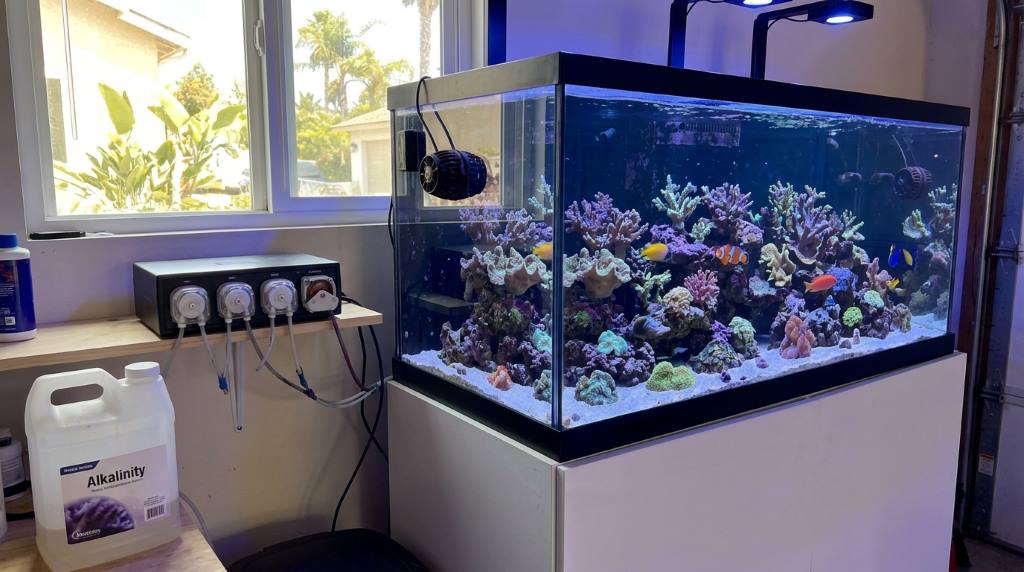
Automated dosing systems reduce human error substantially. Nevertheless, equipment failures can still interrupt supplementation unnoticed.
Routine maintenance matters greatly in reef keeping. Likewise, lessons from natural homemade floor cleaner routines highlight how consistency prevents larger problems later.
Frequent Dosing Mistakes
- Changing dosing amounts too quickly
- Skipping testing for several weeks
- Forgetting reservoir refills
- Using inaccurate measurement tools
Each mistake seems minor individually. Yet together they often create substantial alkalinity instability.
Equipment Issues Can Trigger Alkalinity Crashes
Dosing pumps occasionally drift from programmed output rates. Consequently, actual supplementation may differ significantly from expectations.
Blocked tubing also reduces delivery efficiency over time. Therefore, regular inspections remain important for reliable operation.
Selecting equipment carefully helps prevent recurring issues. For example, understanding right pump for small nano aquarium systems demonstrates why proper equipment selection matters.
Equipment Components Worth Inspecting
- Dosing pump heads
- Flexible tubing connections
- Controller settings
- Supplement storage containers
Regular inspections reveal problems before livestock suffers. As a result, reef stability improves significantly.
Water Changes Can Influence Alkalinity Levels
Salt mixes vary considerably between manufacturers. Consequently, water changes sometimes alter alkalinity more than expected.
Large water changes amplify these differences quickly. Therefore, testing freshly mixed saltwater remains a smart practice.
Many reef keepers assume all salt mixes behave similarly. However, actual alkalinity values often differ substantially.
Best Practices for Water Changes
- Test new saltwater before use
- Match tank parameters closely
- Avoid sudden large corrections
- Document results consistently
These habits reduce unexpected fluctuations effectively. Furthermore, they create a more predictable maintenance routine.
Biological Processes Also Consume Alkalinity
Corals are not the only alkalinity consumers. Beneficial bacteria also influence carbonate chemistry during biological activity.
Nitrification processes gradually consume alkalinity over time. Therefore, heavily fed systems may experience greater demand.
In mature aquariums, multiple processes work simultaneously. Consequently, alkalinity usage often exceeds simple coral growth estimates.
Testing Errors Can Create False Alkalinity Crashes
Not every apparent crash reflects actual water chemistry. Sometimes inaccurate testing produces misleading results.
Expired reagents frequently create unreliable readings. Likewise, improper testing techniques can distort measurements significantly.
How to Improve Testing Accuracy
- Use fresh testing reagents
- Follow instructions precisely
- Test at consistent times
- Verify unusual readings twice
Accurate data supports better decisions. Therefore, reliable testing remains fundamental to reef aquarium success.
How San Diego Conditions Influence Reef Keeping
Many hobbyists in coastal areas utilize local environmental advantages. However, aquarium chemistry still requires independent management.
Indoor temperatures, evaporation rates, and maintenance schedules affect stability. Consequently, local conditions indirectly influence alkalinity performance.
Successful aquariums depend more on consistency than geography. Therefore, disciplined monitoring remains the strongest preventive measure.
Practical Steps to Prevent Future Alkalinity Crashes
Prevention always costs less than recovery. Moreover, stable alkalinity supports stronger coral growth and coloration.
- Test alkalinity several times weekly
- Track trends using a log
- Calibrate dosing systems regularly
- Adjust supplementation gradually
- Inspect equipment monthly
- Verify saltwater parameters before changes
Following these steps creates a predictable environment. As a result, corals experience less stress and better growth.
Conclusion
Alkalinity crashes in San Diego reef aquariums usually result from increased consumption, inconsistent dosing, equipment issues, or testing mistakes. While local conditions play a role, daily management practices have a much greater impact.
Track your alkalinity consistently, verify equipment performance, and respond to trends early. Taking these proactive steps will help maintain a healthier, more stable reef aquarium.
Frequently Asked Questions
What alkalinity level is generally considered safe for reef tanks?
Most reef aquariums perform well between 7 and 11 dKH when maintained consistently.
How quickly can alkalinity drop in a reef aquarium?
High demand systems can lose noticeable alkalinity within a few days.
Can low alkalinity harm corals?
Yes, prolonged low alkalinity can reduce growth and increase coral stress.
Should alkalinity and calcium be tested together?
Yes, testing both provides a clearer understanding of reef chemistry balance.
Do automated dosers completely prevent crashes?
No, automated systems help greatly but still require regular monitoring and maintenance.
You May Like

Small Home Fixes That Prevent Bigger Pest Problems