

Setting up a small aquarium brings the beauty of underwater life into compact spaces. Whether you’re creating a desktop oasis or a countertop reef, choosing the right pump is essential for maintaining a healthy aquatic environment. The pump you select will affect water circulation, filtration efficiency, and the overall well-being of your fish and plants.
Small tanks present unique challenges compared to their larger counterparts. Water parameters can shift quickly, and proper circulation becomes critical for maintaining stability. Understanding how to select the appropriate pump ensures your aquatic inhabitants thrive rather than merely survive.
This comprehensive guide will walk you through everything you need to know about selecting pumps for compact aquariums. From understanding flow rates to considering noise levels, you’ll learn how to make an informed decision that benefits both you and your underwater community.
Understanding Why Pumps Matter in Small Aquariums
Water movement serves multiple crucial functions in any aquarium. Pumps circulate water through filtration systems, removing waste products and harmful chemicals. They also distribute oxygen throughout the tank, preventing dead zones where debris accumulates and beneficial bacteria struggle to survive.
In smaller tanks, the importance of proper circulation increases significantly. A 10 gallon tank pump must work efficiently because there’s less water volume to dilute toxins. Ammonia, nitrites, and other harmful substances can reach dangerous levels quickly without adequate water movement.
Additionally, proper circulation prevents temperature stratification. Without movement, warm water rises to the top while cooler water settles at the bottom. This creates uncomfortable temperature variations that stress fish and affect plant growth. A well-chosen pump keeps water mixed and temperatures consistent throughout the entire tank.
Surface agitation created by water movement facilitates gas exchange. Oxygen enters the water while carbon dioxide escapes. This exchange is vital for fish respiration and maintaining proper pH levels. Stagnant water quickly becomes oxygen-depleted, creating a hostile environment for most aquatic life.
Calculating the Right Flow Rate
Flow rate, measured in gallons per hour, determines how much water your pump moves. This specification is perhaps the most important factor when selecting a pump for your aquarium.
The general rule suggests turning over your tank’s volume four to ten times per hour. For a ten-gallon tank, this means a pump that moves 40 to 100 gallons per hour. However, this guideline varies based on what you’re keeping in your aquarium.
Fish-only tanks typically do well with lower flow rates. Most tropical community fish prefer gentle to moderate currents. Strong currents can exhaust small fish and make swimming stressful rather than enjoyable. Aim for the lower end of the recommended range, around four to six times per hour.
Planted tanks require careful consideration. While plants need some circulation to prevent algae growth and distribute nutrients, excessive flow can damage delicate leaves and uproot shallow-rooted species. Moderate flow works best for most aquatic plants.
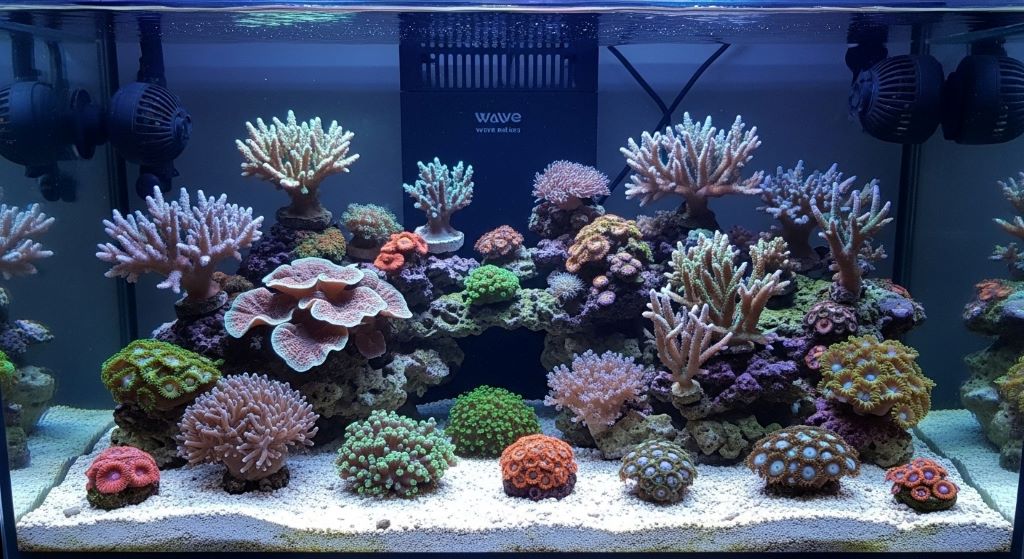
Reef tanks and marine setups need significantly more flow. Corals and invertebrates rely on water movement to deliver food and remove waste. Therefore, marine nano aquarium pump requirements often fall at the higher end of the spectrum, sometimes exceeding ten times per hour.
Consider the head height when evaluating flow rates. Head height refers to the vertical distance water must travel from the pump to its destination. Every foot of elevation reduces the effective flow rate. Manufacturers list flow rates at zero head height, so account for this reduction when making your selection.
Types of Pumps Available for Compact Tanks
Several pump types suit small aquariums, each with distinct advantages and applications. Understanding these differences helps you match the right pump to your specific needs.
Submersible pumps sit inside the aquarium, fully submerged in water. These compact units work well in tight spaces and operate quietly. A mini submersible pump is ideal for nano tanks because it doesn’t require external plumbing or take up space outside the aquarium. They’re easy to install and maintain, making them popular among beginners.
However, submersible pumps add heat to the water as they operate. In larger tanks, this heat dissipates easily. In small volumes, it can raise water temperature noticeably. If you live in a warm climate or keep the tank in a heated room, this heat gain might become problematic.
External pumps remain outside the aquarium, connected via tubing. These pumps don’t add heat to the water and typically move more water than comparably priced submersible models. They work excellently for canister filters and external filtration systems.
The downside is that external pumps require more space and setup complexity. They need proper priming to function correctly and can be noisier than submersible alternatives. For very small tanks, the added complexity might not be worth the benefits.
Powerheads create water circulation without necessarily connecting to a filter. These devices excel at creating currents and eliminating dead spots. Many hobbyists use powerheads in addition to their main filtration pump to improve overall circulation patterns.
Air-driven pumps use rising air bubbles to move water. While not powerful, they’re extremely reliable and inexpensive. Sponge filters paired with air pumps work wonderfully in breeding tanks and quarantine setups where gentle filtration is preferable.
Noise Considerations for Desktop and Bedroom Tanks
Noise levels matter significantly when placing an aquarium in living spaces, offices, or bedrooms. A loud pump can transform a peaceful aquarium into an annoying distraction.
Submersible pumps generally run quieter than external models because water muffles operational sounds. Quality submersible pumps produce only a gentle hum that blends into background noise. Cheaper models, however, can vibrate against glass and create rattling sounds.
Placement affects noise levels considerably. Pumps sitting directly on hard surfaces amplify vibrations. Using rubber padding or foam underneath external pumps reduces transmitted vibrations. Inside the tank, ensure submersible pumps don’t touch the glass directly.
Air pumps create noise from both the motor and bubbling water. Modern air pumps designed for aquariums run much quieter than older models. Look for units specifically marketed as silent or ultra-quiet if noise is a concern. Placing air pumps on soft surfaces and using check valves to prevent water backflow also minimizes sound.
The flow rate itself generates noise as water moves through tubes, over weirs, and through filter media. Higher flow rates typically create more sound. Balancing adequate circulation with acceptable noise levels sometimes requires compromise.
Test pumps before committing if possible. Many local fish stores have display tanks running various equipment. Listening to pumps in operation provides valuable insight that specifications alone cannot convey.
Energy Efficiency and Operating Costs
Pumps run continuously, making energy consumption an important consideration. Even small differences in wattage translate to noticeable costs over months and years.
Modern pumps have become increasingly efficient. Many quality pumps suitable for small tanks consume between three and fifteen watts. At average electricity rates, this costs just a few dollars annually. However, inefficient pumps might use double or triple the power without providing better performance.
Look for pumps with high-efficiency motors. Ceramic shaft pumps typically outlast and outperform magnetic drive pumps in terms of longevity and energy use. While they cost more initially, the investment pays off through reduced electricity bills and fewer replacements.
Variable speed pumps offer excellent efficiency. These adjustable pumps let you dial in the exact flow rate you need, eliminating wasted energy from oversized pumps running at full capacity. Some advanced models can be programmed to vary flow throughout the day, mimicking natural water movement patterns.
Calculate annual operating costs before purchasing. Multiply the pump’s wattage by the hours in a year (8,760), then divide by 1,000 to get kilowatt-hours. Multiply this by your electricity rate to determine yearly costs. This simple calculation often reveals that spending more on an efficient pump saves money long-term.
Matching Pumps to Filtration Systems
Your filtration method significantly influences pump selection. Different filter types have specific flow requirements and limitations.
Sponge filters work with air-driven pumps rather than water pumps. These gentle filters excel in small tanks, especially those housing fry, shrimp, or delicate fish. The air pump should produce enough pressure to create steady bubbles rising through the sponge. Most small air pumps rated for 10 to 20 gallon tanks work perfectly.
Hang-on-back filters come with integrated pumps sized appropriately for their filtration capacity. When replacing these pumps, match the original specifications closely. Too much flow overwhelms the filter media and reduces contact time, decreasing filtration effectiveness. Too little flow fails to process the tank’s volume adequately.
Internal filters combine pump and filtration in one compact unit. These space-efficient options suit nano tanks wonderfully. Ensure the internal filter’s footprint doesn’t dominate your aquarium’s interior. In a five-gallon tank, a large internal filter creates an eyesore and reduces swimming space.
Canister filters require pumps strong enough to pull water through multiple media layers and return it to the tank. The vertical distance and media resistance create significant head pressure. Choose pumps rated for at least 50 percent more flow than you need to compensate for this resistance.
Undergravel filters rely on water being pulled down through the substrate. Powerheads or air-driven systems can power these filters. While less common today, undergravel filters still work well in small tanks with appropriate pump sizing.
Special Considerations for Different Aquarium Types
The inhabitants and purpose of your aquarium should guide your pump selection. Different setups have vastly different requirements.
Betta tanks need minimal flow. These fish have large, flowing fins that make swimming in strong currents exhausting. A small pump creating gentle circulation suffices. Many betta keepers use sponge filters with weak air pumps or adjustable internal filters set to low speeds.
Shrimp tanks require careful consideration. While adult shrimp handle moderate currents, baby shrimp can get sucked into powerful pumps. Sponge filters or pumps with protective intake guards work best. The gentle flow prevents casualties while maintaining water quality.
Planted tanks benefit from flow that reaches all areas without creating turbulence that damages plants. Position pump outlets to create gentle, sweeping currents. Some hobbyists use spray bars to diffuse flow across the entire tank length, creating even circulation without strong currents.
Reef tanks demand robust circulation. Corals need water movement to deliver nutrients and remove waste. Multiple small pumps positioned strategically often work better than one large pump. This creates varied flow patterns that benefit different coral species.
Quarantine and hospital tanks prioritize simplicity and reliability. Sponge filters with basic air pumps work excellently because they’re easy to clean, maintain beneficial bacteria, and won’t stress sick fish with strong currents.
Installation and Placement Tips
Proper pump installation maximizes efficiency and longevity. Taking time to install correctly prevents problems down the road.
Submersible pumps should sit on suction cups or stands that keep them off the substrate. Resting directly on gravel allows debris to enter the intake, reducing flow and potentially damaging the impeller. Position the pump where it creates the desired circulation pattern without creating excessive turbulence.
Keep intake areas clear of decorations, plants, and other obstructions. Blocked intakes reduce flow and make the pump work harder, increasing wear and energy consumption. Regular visual checks ensure nothing has shifted to block the intake.
External pumps need level, stable surfaces. Vibrations from unlevel pumps create noise and accelerate wear. Ensure all connections are tight and hoses are secured. Loose connections can introduce air into the system, reducing efficiency and creating annoying gurgling sounds.
Consider future maintenance when positioning equipment. Pumps require periodic cleaning. Placing them where you cannot easily access them makes routine maintenance frustrating. This frustration leads to neglected maintenance, which leads to pump failure.
Use check valves on air lines to prevent water from siphoning back into the air pump if power fails. This simple device prevents flooding and protects your air pump from water damage.
Maintenance Requirements and Longevity
Regular maintenance keeps pumps running efficiently and extends their operational life. Neglected pumps fail prematurely and perform poorly.
Clean pump impellers monthly or whenever you notice reduced flow. Algae, mineral deposits, and debris accumulate on the impeller and inside the housing. This buildup creates friction, reduces flow, and makes the motor work harder. Most impellers remove easily for cleaning under running water.
Inspect O-rings and seals during cleaning. These rubber components dry out and crack over time. Replacing worn seals prevents leaks and maintains optimal performance. A small amount of silicone grease keeps O-rings supple and ensures good seals.
Monitor performance regularly. Reduced flow indicates problems requiring attention. Catching issues early prevents complete pump failure and potential tank disasters. Keeping a spare pump on hand provides peace of mind and ensures you can quickly respond to equipment failure.
Descale pumps periodically if you have hard water. Mineral buildup restricts flow and damages components. White vinegar soaks dissolve calcium deposits effectively. Never use harsh chemicals that might leave residues harmful to aquatic life.
Quality pumps from reputable manufacturers typically last three to five years with proper maintenance. Budget pumps might need replacement after just one year. Investing in quality equipment reduces long-term costs and hassle.
Budget Considerations and Value
Pump prices range from under ten dollars to over one hundred dollars for small tank applications. Understanding what you’re paying for helps determine the best value.
Extremely cheap pumps often fail quickly, run inefficiently, and create excessive noise. While tempting for budget-conscious hobbyists, these pumps frequently cost more long-term through replacements and higher energy bills. Moreover, pump failure can cause tank disasters that harm or kill your aquatic life.
Mid-range pumps from established aquarium brands offer excellent value. These pumps incorporate quality materials, efficient motors, and good warranties. Spending twenty to forty dollars typically gets you a reliable pump that lasts several years.
Premium pumps justify their cost through superior efficiency, quieter operation, and advanced features. Variable speed controls, programmable timers, and ultra-efficient motors appeal to serious hobbyists. If you’re maintaining expensive livestock or multiple tanks, premium equipment makes financial sense.
Consider the total cost of ownership rather than just purchase price. A fifteen-dollar pump using twenty watts costs more over three years than a forty-dollar pump using eight watts. Factor in replacement frequency, energy costs, and the value of your time dealing with failed equipment.
Watch for sales and bundles. Many filter kits include appropriately sized pumps at lower costs than buying components separately. Black Friday, holiday sales, and new product launches often bring significant discounts on quality equipment.
Troubleshooting Common Pump Problems
Understanding common issues helps you diagnose and fix problems quickly, minimizing stress on your aquarium inhabitants.
Reduced flow usually indicates a clogged impeller or intake. Disassemble the pump and clean all components thoroughly. Check for damage to the impeller blades, which can reduce efficiency even after cleaning.
Unusual noises suggest mechanical problems. Grinding sounds indicate worn bearings or damaged impellers. Rattling might mean the pump is vibrating against hard surfaces. Gurgling sounds typically reveal air entering the system through loose connections.
Pumps that won’t start might have seized impellers. Calcium buildup or debris can lock the impeller in place. Remove the impeller and clean both it and the housing. If the motor hums but the impeller doesn’t spin, the motor itself has likely failed.
Overheating pumps need immediate attention. Submersible pumps rely on water for cooling. If the water level drops below the pump or the pump runs dry, it can overheat and fail. Always ensure adequate water levels and never run submersible pumps outside water.
Leaking external pumps indicate seal failure. Replace O-rings and gaskets immediately. Continuing to run leaking pumps risks water damage and pump failure.
Making Your Final Decision
Choosing the right pump involves balancing multiple factors specific to your situation. There’s rarely one perfect answer, but understanding priorities helps narrow options.
Start by determining your minimum flow requirements based on tank volume and inhabitants. This establishes your baseline. Then consider your filtration system’s needs, as some filters require specific flow ranges to function properly.
Evaluate your environment. A bedroom tank demands a quiet pump, even if it costs more or provides less flow. A tank in a noisy basement can accommodate louder equipment if it offers better value or performance.
Consider your experience level and maintenance commitment. Beginners benefit from simple, reliable pumps requiring minimal maintenance. Experienced hobbyists might prefer advanced features and accept the additional complexity.
Read reviews from other hobbyists keeping similar setups. Real-world experiences reveal issues that specifications don’t. Online forums, social media groups, and product reviews provide valuable insights.
Don’t overlook warranty and customer support. Reputable manufacturers stand behind their products with solid warranties and responsive support. This backing provides peace of mind and protection for your investment.
Conclusion
Selecting the right pump for your small or nano aquarium significantly impacts the health and beauty of your underwater environment. A nano aquarium pump must provide adequate circulation without creating excessive current or noise. Understanding flow rates, pump types, and your specific tank requirements enables informed decision-making.
Remember that a 10 gallon tank pump should turn over the tank’s volume four to ten times hourly, adjusted for your specific inhabitants and setup. Mini submersible pump options offer compact, quiet solutions perfect for tight spaces, though they do add slight heat to the water.
Consider energy efficiency, noise levels, and maintenance requirements alongside initial purchase price. The cheapest option rarely provides the best value over time. Quality pumps from reputable manufacturers deliver reliable performance and last significantly longer than budget alternatives.
Match your pump selection to your filtration system, aquarium inhabitants, and environmental constraints. A pump perfect for a reef tank would stress a betta, while a pump ideal for planted tanks might not provide sufficient flow for corals.
By following the guidelines in this article and carefully evaluating your specific needs, you can select a pump that keeps your small aquarium thriving for years to come. Your fish, plants, and corals will reward you with vibrant colors, healthy growth, and fascinating behaviors in a properly circulated environment.
Frequently Asked Questions
Can I use a pump designed for a larger tank in my small aquarium?
Yes, but you’ll need to control the flow rate. Oversized pumps create excessive current that stresses fish and damages plants. Use a valve to restrict flow or choose a pump with adjustable output. Many modern pumps feature variable speed controls that let you dial in the perfect flow rate for your specific tank.
How do I know if my pump is too strong for my fish?
Watch your fish behavior carefully. Fish struggling to swim, hiding constantly, or being pushed around indicate excessive flow. Healthy fish should swim comfortably throughout the tank. Reduce flow if you notice fish avoiding certain areas or appearing exhausted. Different species have different preferences, so research your specific fish requirements.
Should I turn off my aquarium pump at night?
Generally, no. Pumps should run continuously to maintain filtration and oxygenation. Some hobbyists reduce flow at night to give fish a rest, but completely shutting off pumps allows waste to settle and beneficial bacteria to die from oxygen deprivation. If noise bothers you, invest in a quieter pump rather than turning it off.
What’s the difference between a powerhead and a regular aquarium pump?
Powerheads create water circulation without necessarily connecting to filters, while regular pumps typically drive filtration systems. Powerheads excel at eliminating dead spots and creating currents. Many tanks benefit from both a filtration pump and a small powerhead for improved circulation. However, in very small tanks, one good pump usually suffices.
How often should I replace my aquarium pump?
Quality pumps last three to five years with proper maintenance. Replace pumps when you notice significant performance decline, unusual noises, or visible damage. Keep a backup pump on hand so you can immediately respond to failures. Regular cleaning and maintenance extend pump life considerably, making replacement less frequent.
Related Topics:
Are Metal Barns Ideal for Livestock: Discover Why?
Budget Friendly Home Decor Trends to Embrace This Fall