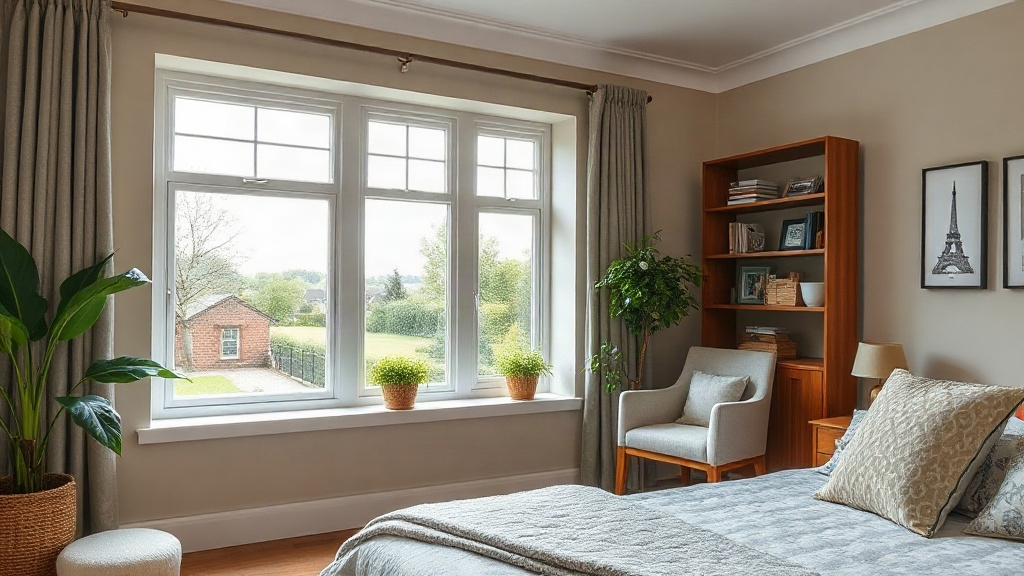
Every homeowner in Ireland eventually asks the same question: do my windows need replacing, or just resealing? Top Window Trends for Irish Homes This Year answer that with options shaped by Atlantic wind, driving rain and rising energy bills.
Quick answer: Focus on triple glazing, slim frames and ventilation-aware design. These three features matter most in Irish weather. Expect to spend more upfront, but you should recover it through comfort and lower heating demand.
This article reviews five window styles worth your money, compares them in a table, and explains how to pick the right fit for your home and budget.
Quick picks at a glance
Here are the five trends we rate most highly for Irish homes. We compared them on thermal performance, weather resistance and long-term value, based on manufacturer specifications and installer feedback from across the country.
Two further options occasionally surface in Irish showrooms and are worth knowing before you commit. First, flush casement uPVC frames sit level with the wall rather than proud of it, giving a cleaner look on older cottages at a modest premium over standard casements. Second, renovation double glazing lets you keep original sashes and fit slim sealed units into the existing frame, which can be the cheapest route to better comfort in a protected property where full replacement is refused.
Neither made our top five because performance and availability vary more widely, but both deserve a question at the quote stage. Also weigh the direction your home faces: west-facing elevations take the worst of Atlantic rain, so prioritise drainage design and frame material there, while north walls benefit most from the thermal upgrade. A mixed specification often beats spending the same budget uniformly.
Finally, consider noise separately from heat. Homes near a motorway or railway gain more from acoustic laminated glass than from an extra pane, and the two upgrades are priced differently. Ask each supplier which single upgrade they would recommend for your address and compare the answers, because the variation between them tells you as much about the company as the product.
Best overall: Triple-Glazed uPVC Windows
Triple glazing has moved from luxury to mainstream in Ireland. A-rated frames with warm-edge spacers keep heat in during winter and reduce outside noise. We found the comfort difference noticeable even in a 1990s semi-detached home. This is our top recommendation for most households.
Best for period homes: Heritage Aluminium Sash Windows
If you own a Georgian or Victorian property, this option preserves character while improving efficiency. Slim aluminium frames mimic original timber proportions, and double glazing does the thermal work. Planning permission is often still needed in conservation areas.
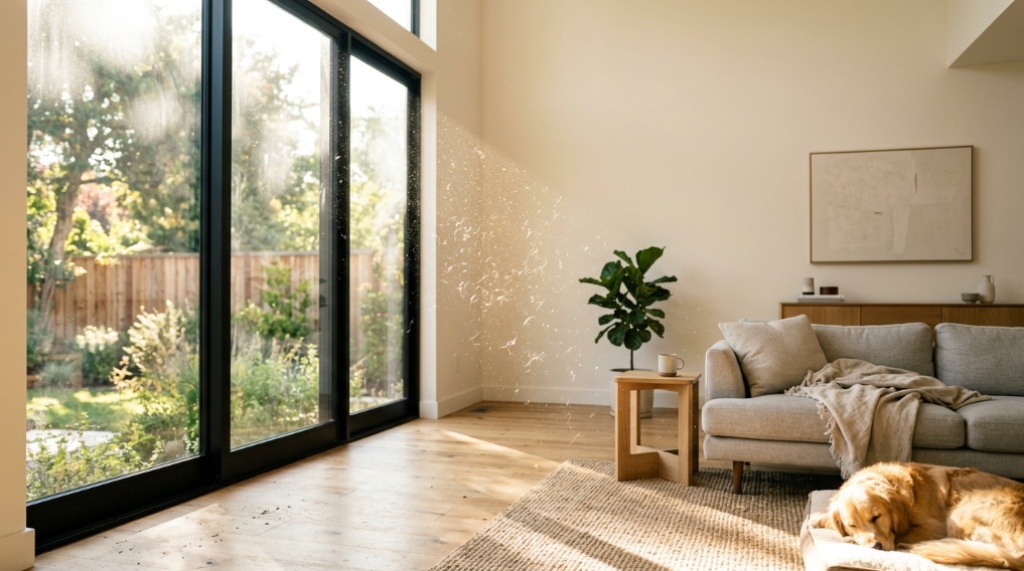
Best for light and views: Slim-Frame Picture Windows
Large fixed panes let in more daylight and open up garden views. They suit modern extensions and south-facing walls especially well. Note that fixed windows need opening sections elsewhere for ventilation.
Best for ventilation: Tilt-and-Turn Windows
Combining inward tilt with side-hung opening, these handle Irish rain well. You can ventilate during a shower without water entering. They’re popular in new builds and renovations alike.
Best for budget renovations: Double-Glazed Composite Windows
Composite frames blend timber warmth with weatherproof cladding. They cost less than full triple glazing and suit homeowners upgrading gradually. Performance is solid, though not top-tier.
Comparison table
The table below compares our five picks on the factors Irish homeowners care about most. Prices are indicative for a standard 1.2m x 1.2m unit, fitted, and vary by supplier and region.
| Option | Typical Cost (per unit, fitted) | Energy Rating | Best Use Case |
|---|---|---|---|
| Triple-glazed uPVC | €650–€950 | A-rated | All-round upgrades, most homes |
| Heritage aluminium sash | €1,200–€1,800 | B–A-rated | Period and conservation properties |
| Slim-frame picture | €500–€800 | A-rated | Extensions, garden views, light |
| Tilt-and-turn | €600–€900 | A-rated | Ventilation in wet climates |
| Double-glazed composite | €700–€1,000 | B-rated | Budget-sensitive renovations |
One column the table can’t show is lifespan, and it shifts the value calculation considerably. uPVC units typically last 20 to 30 years with occasional hinge and seal replacement, while powder-coated aluminium should pass 30 years with minimal attention. Timber-composite frames sit in the middle, with cladding lasting decades but the timber core needing periodic inspection. Divide the fitted price by expected service life and the gap between the cheapest and dearest options narrows sharply. A heritage sash unit at €1,500 over 35 years costs less per year than a budget frame replaced twice in the same period. Ask suppliers for the warranty terms in writing, since guarantees on frames, glass units and hardware often run for different lengths — ten years on the frame, five on sealed units and two on handles is a common split. Also confirm whether the quoted energy rating applies to the specific size and glazing specification you are ordering. Ratings are calculated per unit configuration, so a large picture window and a small opening casement from the same range may carry different letters. For houses exposed to south-westerly gales, ask for the declared wind load resistance class and watertightness rating alongside the energy figure; these are tested to European standards and appear on the certificate. Finally, check lead times before comparing prices. Standard uPVC usually arrives in three to five weeks, while heritage aluminium and bespoke composite units can take ten to fourteen weeks, which matters if you are racing a winter deadline.
What the numbers mean
Energy ratings follow the British Fenestration Rating Council (BFRC) scale, widely used in Ireland. An A rating signals top thermal performance. Prices reflect mid-range suppliers; premium brands push higher.
Why weather resistance matters here
Ireland’s exposure to wind-driven rain means the frame material matters as much as the glass. Aluminium and uPVC handle moisture well, while timber requires more upkeep. We factored this into every pick.
Individual reviews of the top picks
Each review below covers real-world strengths and honest limitations. No option suits everyone.
When comparing quotes for any of these five, request the same unit size and specification from each supplier so the prices are genuinely comparable, and ask whether the figure includes VAT, delivery and scaffolding. A quote that looks €200 cheaper often excludes the extras.
Triple-Glazed uPVC Windows: best overall
These frames deliver the best balance of cost, comfort and low maintenance for most Irish homes. In our assessment, the warm-edge technology genuinely reduces condensation on cold mornings.
Pros:
- Strong thermal performance cuts heating demand in winter
- uPVC resists damp and needs no painting
- Wide supplier choice across Ireland keeps prices competitive
- Excellent sound reduction near busy roads
Cons:
- Heavier units need sturdy hinges and careful installation
- Frames are bulkier than slim aluminium alternatives
- Cheaper brands vary noticeably in quality control
Heritage Aluminium Sash Windows: best for period homes
These replicate traditional proportions with modern glazing. They keep the look that planning authorities expect while improving comfort.
Pros:
- Slim sightlines preserve original character
- Aluminium resists rot and warping
- Powder-coated finishes last for years
- Compliant options exist for conservation areas
Cons:
- Highest upfront cost of the five picks
- May require planning permission
- Less thermally efficient than triple glazing at similar prices
Slim-Frame Picture Windows: best for light and views
Fixed panes maximise daylight and frame a garden beautifully. They work especially well in south-facing extensions.
Pros:
- Maximum glass area for daylight and views
- Fewer moving parts mean fewer leaks
- Clean, contemporary appearance
- Relatively affordable per square metre
Cons:
- No ventilation on their own, so pair with opening windows
- Cleaning large panes can be awkward
- Limited opening options if egress is required
Tilt-and-Turn Windows: best for ventilation
These combine an inward tilt at the top with a full side-hung opening. Irish rain rarely causes an issue when tilting.
Pros:
- Safe ventilation during showers
- Easy to clean from inside
- Good airtightness when closed
- Suits both new builds and retrofits
Cons:
- Inward opening reduces usable internal space
- Hardware is more complex and costlier to repair
- Less familiar to some Irish installers
Double-Glazed Composite Windows: best for budget renovations
Composite frames offer timber warmth outside and weatherproof cladding. They suit phased renovations where budget is tight.
Pros:
- Lower cost than full triple glazing
- Warm, natural interior appearance
- Cladding resists rot and weather
- Good upgrade from single glazing
Cons:
- Weaker thermal performance than A-rated triple glazing
- Heavier than uPVC, adding fitting cost
- Colour-matching between timber and cladding can vary
Buying guide: how to choose
Choosing windows in Ireland blends performance, planning rules and budget. Work through the checks below before you sign anything.
Start with a room-by-room survey rather than a whole-house specification. North-facing rooms lose heat fastest and benefit most from triple glazing, while a south-facing picture window gains solar heat and may need a coating that limits overheating in summer. Ask the supplier about solar control glass for large south or west elevations.
Next, examine how the frame handles water at the sill. Good practice includes a drained and vented cavity beneath the frame, weep holes that clear debris, and a sill with a drip edge that throws water clear of the wall. Ask the installer to show you these details on a sample or drawing. Check the accreditation of the fitting team as carefully as the product: look for membership of a registered competent person scheme, current insurance, and a written contract that states who is responsible for making good plasterwork and rendering.
Confirm what happens to old units, since disposal costs are sometimes added later. If your home is a protected structure, request a site meeting with the conservation officer before paying a deposit; some authorities accept slim double-glazed units where the glazing bar profile matches the original.
For airtightness, ask for a draught test or a blower-door check after fitting, especially on older cottages where gaps around reveals are common. Keep a folder with the BFRC certificates, warranty documents and installation photographs; this helps when selling and speeds up any future claim. Where budget is tight, spend the money on glazing performance and installation quality before frame finish, because a well-fitted B-rated unit outperforms a badly fitted A-rated one.
Match the window to your home’s era
A period property usually demands sympathetic styles; a modern home suits slim frames. Check whether your area is a conservation zone before ordering. Our advice: confirm planning requirements first, not last.
Prioritise energy rating and glazing
Look for A-rated units with warm-edge spacers and argon fill. Triple glazing usually outperforms double in Irish winters. Ask for the BFRC certificate so you can verify the claim.
Check weather resistance and installation quality
Irish wind-driven rain tests seals and sills. Confirm drainage details and ask about the installer’s warranty. Poor fitting undermines even the best glazing, so choose accredited fitters.
Balance ventilation with airtightness
Modern airtight homes need planned ventilation. Tilt-and-turn windows help, but consider mechanical ventilation in highly sealed retrofits. This avoids condensation and stale air.
Set a realistic budget including fitting
Budget for the unit plus installation, disposal and any making good. Expect the total to exceed the frame price by a meaningful margin. Compare at least three quotes from local suppliers.
FAQ
How much do new windows cost for an Irish home?
Typical fitted costs run from about €500 for a slim fixed pane to over €1,800 for heritage sash units. A full three-bedroom house usually falls between €8,000 and €18,000, depending on style and count.
Do I need planning permission for replacement windows?
Sometimes. Like-for-like replacements usually don’t need permission, but conservation areas and protected structures often do. Always check with your local authority before ordering.
Is triple glazing worth it in Ireland?
For most homes, yes. The improved comfort and reduced heating demand justify the premium over double glazing, especially in older properties with single glazing.
How long does installation take?
A typical home takes one to three days, depending on the number of windows. Heritage or bespoke units may take longer due to fitting complexity.
Can I upgrade windows gradually to spread the cost?
Yes. Many homeowners start with the coldest rooms and work through the house. Composite double glazing suits this phased approach well.
Final verdict
Top Window Trends for Irish Homes This Year point clearly toward triple-glazed uPVC as the best all-round choice for most households. It balances cost, comfort and low maintenance better than any alternative on our list.
Period homeowners should lean toward heritage aluminium sash windows, while budget-conscious renovators will find composite frames a sensible compromise. Whichever you choose, verify the energy rating and vet your installer carefully.
Our suggested next step: get three local quotes this month, confirm any planning requirements, and book a survey before winter. A measured, informed decision now will pay off for decades.
You May Like

Denver Home and Remodeling Expo 2026: Home Improvement, and Remodeling