
A smelly washing machine can turn laundry day into a frustrating ordeal. Odors from mold, mildew, and detergent buildup not only affect the machine but can also transfer to clothes, leaving them less than fresh. Cleaning and deodorizing a washing machine is essential for maintaining its performance and ensuring clean, pleasant-smelling laundry. This in-depth guide explores the history of washing machine maintenance, current cleaning practices, key concepts, benefits, challenges, and emerging trends. With practical tips, real-life experiences, a review of cleaning methods, and FAQs, this article equips both novices and seasoned users with the knowledge to tackle a smelly washing machine effectively.
History of Washing Machine Maintenance
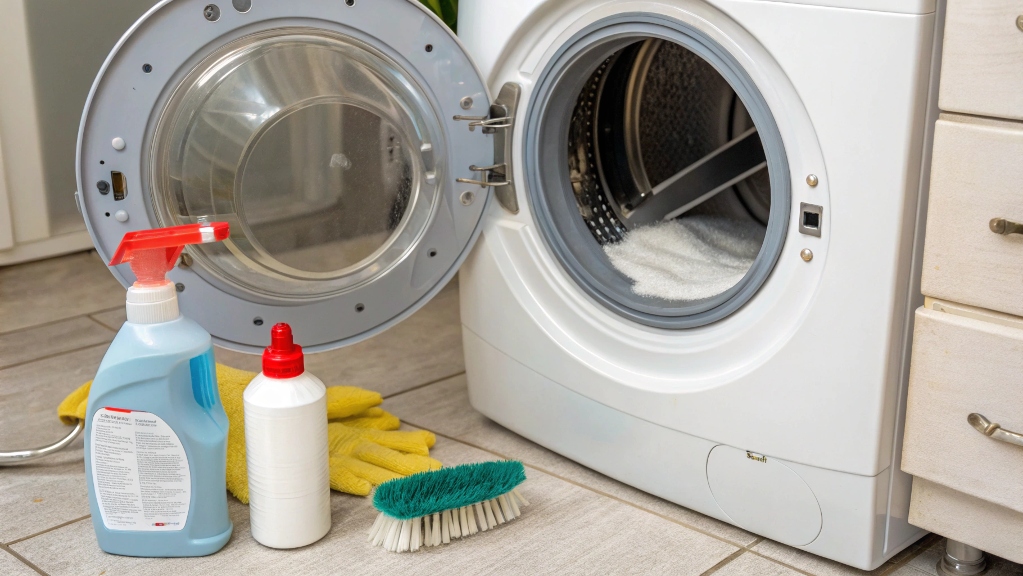
Early Washing Machines and Cleaning Challenges
Manual Cleaning in the 19th Century:
Early smelly washing machine, like hand-cranked models introduced in the 1800s, required manual scrubbing to remove dirt and grime.
Wooden or metal tubs were prone to rust and bacterial growth, necessitating frequent cleaning with vinegar or lye.
Lack of standardized cleaning products meant users relied on homemade solutions, often inconsistently effective.
Introduction of Electric Machines:
By the early 20th century, electric washing machines simplified laundry but introduced new maintenance issues.
Enclosed drums and complex components trapped moisture, fostering mold and mildew.
Manufacturers began recommending periodic cleaning, though specific guidance was limited.
Evolution of Maintenance Practices
Mid-20th Century Developments:
The rise of synthetic detergents led to residue buildup, prompting manufacturers to include maintenance instructions in manuals.
Bleach and hot water cycles became standard for sanitizing machines.
Consumer awareness grew, with home economics guides emphasizing regular cleaning to extend machine lifespan.
Modern Era:
High-efficiency (HE) and front-load machines, popular since the 1990s, are more prone to odors due to airtight seals and lower water usage.
Specialized cleaning products, like affresh® tablets, emerged to address modern machine designs.
Online communities and DIY blogs have popularized natural cleaning methods, such as vinegar and baking soda combinations.
Current State of Washing Machine Cleaning
Common Causes of Washing Machine Odors
-
Mold and Mildew:
-
Moist environments in drums and gaskets encourage microbial growth.
-
Front-load machines are particularly susceptible due to tight seals.
-
-
Detergent and Fabric Softener Residue:
-
Overuse of detergents leaves sticky buildup, trapping dirt and bacteria.
-
Fabric softeners can coat internal components, contributing to odors.
-
-
Hard Water Deposits:
-
Mineral buildup in hard water areas clogs filters and hoses, reducing cleaning efficiency.
-
-
Infrequent Maintenance:
-
Skipping regular cleaning allows odors to persist and worsen.
-
Popular Cleaning Methods
-
Commercial Cleaners:
-
Products like Tide Washing Machine Cleaner or affresh® tablets dissolve residue and neutralize odors.
-
Typically used monthly, following manufacturer instructions.
-
-
Natural Solutions:
-
Vinegar and Baking Soda:
-
Run a hot cycle with 2 cups of white vinegar in the drum.
-
Follow with a cycle using ½ cup of baking soda to neutralize odors.
-
-
Lemon Juice and Essential Oils:
-
Add ¼ cup of lemon juice for a fresh scent.
-
Essential oils like tea tree or lavender provide antimicrobial properties.
-
-
-
Manual Cleaning:
-
Wipe gaskets, dispensers, and drums with a vinegar-soaked cloth.
-
Remove and clean filters to prevent clogs.
-
Table: Comparison of Cleaning Methods
|
Method |
Effectiveness |
Cost |
Ease of Use |
Environmental Impact |
|---|---|---|---|---|
|
Commercial Cleaners |
High |
$5-$15 |
Very Easy |
Moderate (chemicals) |
|
Vinegar & Baking Soda |
Moderate-High |
$1-$3 |
Moderate |
Low (natural) |
|
Lemon Juice & Oils |
Moderate |
$2-$5 |
Easy |
Low (natural) |
|
Manual Cleaning |
High (with effort) |
$0-$2 |
Labor-Intensive |
Low (minimal products) |
Key Concepts in Cleaning and Deodorizing
Understanding Machine Design
-
Front-Load vs. Top-Load:
-
Front-load machines require more frequent cleaning due to airtight seals and lower water usage.
-
Top-load machines, especially HE models, may still develop odors from detergent buildup.
-
-
Component-Specific Cleaning:
-
Gaskets: Rubber seals trap moisture; clean with vinegar and a toothbrush.
-
Dispensers: Detergent trays often harbor residue; remove and soak in hot water.
-
Filters: Clogged filters reduce water flow; check and clean monthly.
-
Chemistry of Odor Removal
-
Acidic Cleaners (e.g., Vinegar):
-
Break down alkaline detergent residues and mineral deposits.
-
Effective against mold but may leave a temporary vinegary smell.
-
-
Alkaline Cleaners (e.g., Baking Soda):
-
Neutralize acidic odors and soften water deposits.
-
Best used in combination with vinegar for balanced cleaning.
-
-
Antimicrobial Agents:
-
Bleach kills bacteria but requires caution to avoid damaging components.
-
Essential oils like tea tree oil offer natural antimicrobial properties.
-
Maintenance Frequency
-
Monthly Cleaning:
-
Run a cleaning cycle with a commercial cleaner or vinegar.
-
Wipe down accessible components.
-
-
Deep Cleaning (Quarterly):
-
Disassemble removable parts (e.g., dispensers, filters) for thorough cleaning.
-
Inspect hoses for buildup in hard water areas.
-
Benefits of Regular Cleaning
Improved Laundry Quality
-
Odor-Free Clothes:
-
Eliminates transfer of musty smells to fabrics.
-
Enhances effectiveness of detergents and fabric softeners.
-
-
Stain Removal:
-
Clean machines distribute detergent evenly, improving stain removal.
-
Extended Machine Lifespan
-
Reduced Wear and Tear:
-
Prevents corrosion from mineral deposits and mold.
-
Maintains efficiency of pumps and motors.
-
-
Cost Savings:
-
Avoids costly repairs or premature replacement (average machine lifespan: 10-15 years).
-
Environmental and Health Benefits
-
Reduced Chemical Use:
-
Clean machines require less detergent, lowering environmental impact.
-
-
Healthier Home:
-
Eliminates mold spores that can trigger allergies or respiratory issues.
-
Challenges in Cleaning and Deodorizing
Hard Water Complications
-
Mineral Buildup:
-
Hard water leaves limescale, reducing smelly washing machine effectiveness.
-
Solution: Use citric acid or specialized descaling agents quarterly.
-
-
Reduced Detergent Efficacy:
-
Hard water requires more detergent, exacerbating residue issues.
-
Solution: Install a water softener or use HE-specific detergents.
-
Time and Effort
-
Labor-Intensive Manual Cleaning:
-
Scrubbing gaskets and filters can take 30-60 minutes.
-
Solution: Schedule cleaning during low-use periods (e.g., monthly laundry downtime).
-
-
Learning Curve:
-
New users may struggle with disassembling parts or choosing cleaners.
-
Solution: Consult manufacturer manuals or online tutorials.
-
Compatibility Issues
-
Cleaner Compatibility:
-
Some machines (e.g., HE models) require specific cleaners to avoid warranty issues.
-
Solution: Check manufacturer recommendations before using vinegar or bleach.
-
-
Risk of Damage:
-
Overuse of bleach can degrade rubber seals.
-
Solution: Dilute bleach (1:10 ratio) and rinse thoroughly.
-
Future Trends in Washing Machine Maintenance
Smart Technology Integration
-
Self-Cleaning Cycles:
-
Newer models feature built-in cleaning modes that prompt users to run maintenance cycles.
-
Sensors detect residue buildup and recommend cleaning frequency.
-
-
App Connectivity:
-
Smart machines send maintenance alerts via mobile apps.
-
Some models dispense cleaning agents automatically.
-
Eco-Friendly Innovations
-
Biodegradable Cleaners:
-
Manufacturers are developing plant-based cleaning tablets with minimal environmental impact.
-
-
Water-Saving Designs:
-
Future machines may use steam cleaning to reduce water usage while eliminating odors.
-
Advanced Materials
-
Antimicrobial Coatings:
-
Drums and gaskets with silver-ion or copper coatings resist mold growth.
-
-
Self-Draining Systems:
-
Improved drainage designs minimize standing water, reducing odor risks.
-
Real-Life Experience: A Case Study
Jane’s Story: Jane, a mother of three in a hard water area, noticed her front-load washer emitting a musty odor after two years of use. Clothes smelled stale despite using premium detergent. She tried a commercial cleaner but saw limited results. After researching, Jane adopted a hybrid approach:
-
Monthly Routine:
-
Ran a hot cycle with 2 cups of vinegar and ½ cup of baking soda.
-
Wiped gaskets with a tea tree oil solution (10 drops in 1 cup water).
-
-
Quarterly Deep Clean:
-
Soaked the detergent tray in citric acid to dissolve limescale.
-
Cleaned the filter, removing a surprising amount of lint and debris.
-
Outcome: Within two months, the odor disappeared, and clothes smelled fresher. Jane’s machine, now four years old, runs efficiently, and she estimates saving $200 by avoiding a service call. Her tip: “Leave the door open after every wash to prevent moisture buildup.”
Review of Cleaning Methods
-
Commercial Cleaners:
-
Pros: Convenient, effective for heavy buildup, manufacturer-approved.
-
Cons: Higher cost, chemical-based, less eco-friendly.
-
Best For: Busy households or severe odor issues.
-
-
Vinegar and Baking Soda:
-
Pros: Affordable, natural, widely available.
-
Cons: Requires multiple cycles, may leave a temporary vinegar smell.
-
Best For: Eco-conscious users or mild odors.
-
-
Manual Cleaning:
-
Pros: Thorough, low-cost, customizable.
-
Cons: Time-consuming, requires effort.
-
Best For: Detail-oriented users or deep cleaning.
-
Recommendation: Combine methods for optimal results. Use a commercial cleaner monthly, supplemented by quarterly vinegar cycles and manual gasket cleaning for a spotless, odor-free machine.
Read More Also: Transform Your Space with Stunning Board and Batten Wall Ideas
FAQs
How often should I clean my washing machine?
-
Monthly cleaning is recommended, with quarterly deep cleans for heavily used machines or hard water areas.
Can I use bleach to clean my washing machine?
-
Yes, but dilute it (1:10 with water) and avoid overuse to prevent damage to rubber seals. Follow with a rinse cycle.
Why does my front-load washer smell worse than my top-load?
-
Front-load machines have airtight seals and use less water, creating a moist environment ideal for mold and mildew.
Are natural cleaners as effective as commercial ones?
-
Natural cleaners like vinegar are effective for mild issues but may require more effort for heavy buildup. Commercial cleaners are faster for severe odors.
How can I prevent odors between cleanings?
-
Leave the door open after washes, use the correct detergent amount, and remove wet clothes promptly.
Read More Also: The Heart of the Home: Kitchen Design Ideas for Every Cook
Conclusion
Cleaning and deodorizing a smelly washing machine is a critical task that enhances laundry quality, extends machine lifespan, and promotes a healthier home. From historical manual scrubbing to modern smart technology, maintenance practices have evolved to meet the challenges of advanced machine designs. By understanding key concepts, adopting regular cleaning routines, and staying informed about future trends, users can keep their washing machines odor-free and efficient. Whether you prefer commercial cleaners, natural solutions, or manual methods, the key is consistency and attention to detail. With the insights, real-life experiences, and practical tips provided, you’re well-equipped to tackle even the smelliest washing machine with confidence.
You May Like
Vacuuming Fine Dust: Why Some Vacuum Filters Clog Faster Than Others