
When it comes to home improvement projects, proper caulking can make a huge difference in both appearance and durability. Whether you’re sealing gaps around windows, doors, or baseboards, or you want to improve the overall aesthetics of a room, caulk is an essential material to get the job done. However, one question that many homeowners ask is, How long does caulk take to dry before painting? Understanding the drying process is crucial to ensuring that the caulk adheres properly and that your painting job looks flawless.
In this article, we will explore the factors that affect caulk drying time, how long you should wait before painting, and provide you with expert tips to achieve the best results. You can also find more in-depth information on this topic at Best Home Improvement Ideas, a great resource for all your DIY needs. To further delve into the specifics of caulk drying times before painting, you can refer https://besthomeimprovementideas.com/decor/how-long-should-caulk-dry-before-painting/ .
Factors That Affect Caulk Drying Time
The time it takes for caulk to dry before painting depends on several variables, including the type of caulk you are using, the humidity levels, the temperature, and the thickness of the applied caulk. Understanding these factors will help you gauge the appropriate waiting period and avoid any issues with painting over uncured caulk.
-
Type of Caulk
There are different types of caulk available, and each has its own drying time. The two most common types are silicone caulk and acrylic latex caulk.
- Silicone Caulk: Known for its durability and water resistance, silicone caulk takes longer to dry compared to acrylic latex. Depending on the brand and environmental conditions, silicone caulk can take anywhere from 24 to 48 hours to fully dry before painting. It’s essential to follow the manufacturer’s instructions on the product label for the most accurate drying times.
- Acrylic Latex Caulk: This type of caulk is more paintable and dries faster than silicone. Acrylic latex caulk typically takes about 30 minutes to 1 hour to form a skin (a hard outer layer), but it may require 24 hours to fully cure and be ready for painting.
-
Humidity and Temperature
The level of humidity and the temperature in your workspace play a significant role in how quickly caulk dries. In general, caulk will dry faster in warm, dry conditions. If the humidity is high or the temperature is low, the caulk may take longer to cure.
- Ideal Conditions: The best conditions for caulk drying are temperatures between 40°F and 80°F (4°C to 27°C) with moderate humidity. These conditions allow the caulk to dry efficiently and ensure that it doesn’t take too long to cure.
- Cold and Humid Conditions: If you’re working in a cold or humid environment, expect the caulk to take much longer to dry. In extreme cases, it may not dry at all, which is why it’s important to plan your caulking and painting around the weather if you’re working outdoors.
-
Thickness of the Caulk Application
The thickness of the caulk layer you apply will also affect the drying time. A thin layer of caulk will dry faster than a thick layer. When applying caulk, it’s a good idea to smooth it out evenly to avoid excess buildup, which may take longer to dry. If you apply caulk too thickly, the curing time could be significantly extended.
-
Brand and Quality of Caulk
Different caulk brands and formulations may have slightly different drying times, even if they are the same type (i.e., silicone or acrylic latex). Always check the instructions on the caulk tube, as manufacturers often include specific recommendations for drying times. Higher-quality caulks may cure faster, especially those designed for particular applications, such as mold-resistant or fast-drying caulks.
How Long Should You Wait Before Painting Over Caulk?
Now that we’ve covered the factors that affect drying time, the big question remains: How long should you wait before painting over caulk?
While the answer can vary based on the type of caulk and environmental factors, here’s a general guideline:
- Silicone Caulk: As mentioned earlier, silicone caulk can take up to 48 hours to dry fully. It forms a tough, waterproof seal, which requires ample time to cure. For best results, wait at least 24 hours before attempting to paint over silicone caulk.
- Acrylic Latex Caulk: Acrylic latex caulk is more forgiving and can typically be painted over after 30 minutes to an hour once a skin has formed. However, for complete curing and to avoid smearing or damaging the finish, it’s recommended to wait at least 24 hours before painting.
Painting Tips for Caulked Surfaces
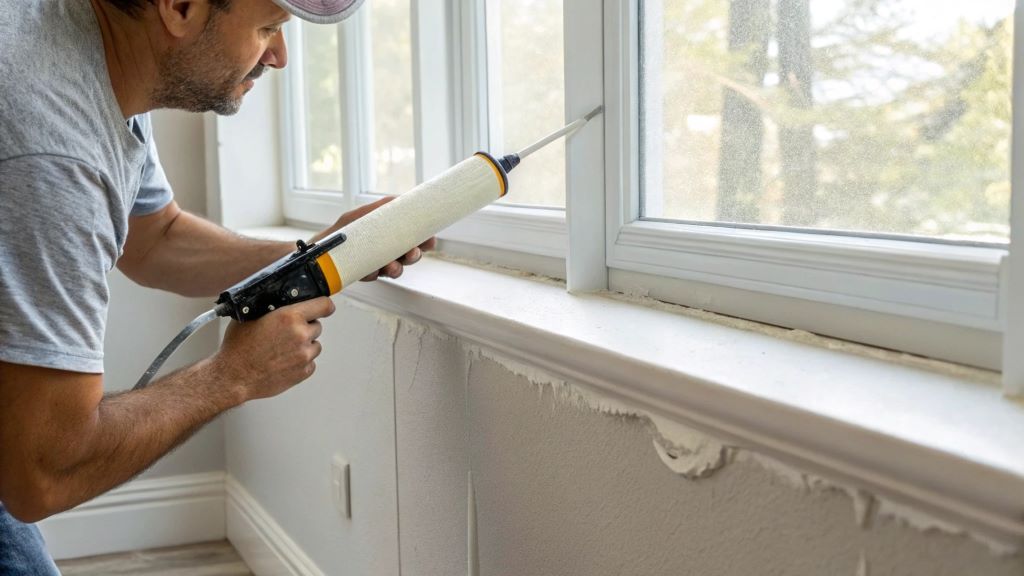
- Test the Surface: Before painting, gently press your finger on the caulk to check if it’s fully dry. If it feels tacky or leaves a mark, it’s not ready for painting yet.
- Use the Right Paint: When painting over caulk, be sure to use a paint that is compatible with the caulk material. For instance, acrylic latex paint works well with acrylic latex caulk, while silicone caulk may require a specific type of paint designed to bond with silicone.
- Apply Even Layers: Apply thin, even coats of paint over the caulked area to prevent streaks or smudges. Allow each coat to dry before applying another.
- Be Patient: It’s tempting to rush through a project, but taking the time to ensure the caulk is fully dry will lead to better results. Rushing the process can cause peeling, cracking, or bubbling paint, which can ruin the look of your project.
Popular FAQs About Caulking and Painting
- How do I know if caulk is dry enough to paint?
The best way to check if caulk is dry enough to paint is by feeling it. If it’s still tacky or leaves a fingerprint when touched, it needs more time to dry. It’s essential to wait at least 24 hours before painting most types of caulk.
- Can I paint over silicone caulk?
Yes, you can paint over silicone caulk, but it requires special paints formulated for silicone. Standard acrylic paints won’t adhere well to silicone surfaces. Be sure to use a paint that is labeled as suitable for use on silicone caulk.
- What happens if I paint over caulk too soon?
If you paint over caulk before it’s fully dry, the paint may not bond properly, leading to peeling or cracking. Additionally, wet caulk can cause the paint to streak or become discolored. Always ensure that the caulk is completely dry before painting.
- How can I speed up the drying process of caulk?
To speed up the drying process, make sure the room is well-ventilated, and the temperature is warm. Avoid using fans or heaters that blow air directly onto the caulk, as this can cause uneven drying. Maintaining a moderate humidity level is also key to quicker curing times.
- Can I apply multiple coats of caulk before painting?
Yes, you can apply multiple coats of caulk if needed, but ensure that each layer is fully dry before applying the next. The drying time may increase with each additional layer of caulk, so be prepared to wait longer between applications.
Conclusion
In summary, understanding how long to wait before painting over caulk is essential for achieving a professional and durable finish. The drying time can vary depending on factors such as the type of caulk, environmental conditions, and the thickness of the application. While acrylic latex caulk typically dries faster and can be painted over within a few hours, silicone caulk takes longer to cure and requires a wait of up to 24–48 hours before painting.
For optimal results, always ensure that the caulk is completely dry before applying paint to avoid any complications like peeling or smudging. By following these tips and allowing sufficient drying time, you can create a flawless, long-lasting seal that enhances the appearance and functionality of your home.
Read More:
You May Like
Can You Use Push Fit Fittings on Copper Pipe? What You Need to Know