Vaulted ceilings have been a staple in modern architecture, transforming a standard room into a more spacious, open, and visually striking area. These high, often arched ceilings are a hallmark of luxury and grandeur, creating an atmosphere of openness. But as with any design trend, they come with their own set of pros and cons, making them a decision that requires careful consideration. In this article, we explore home plans with vaulted ceilings, their benefits, potential drawbacks, and everything you need to know before deciding if they are right for your home.
What Are Vaulted Ceilings?
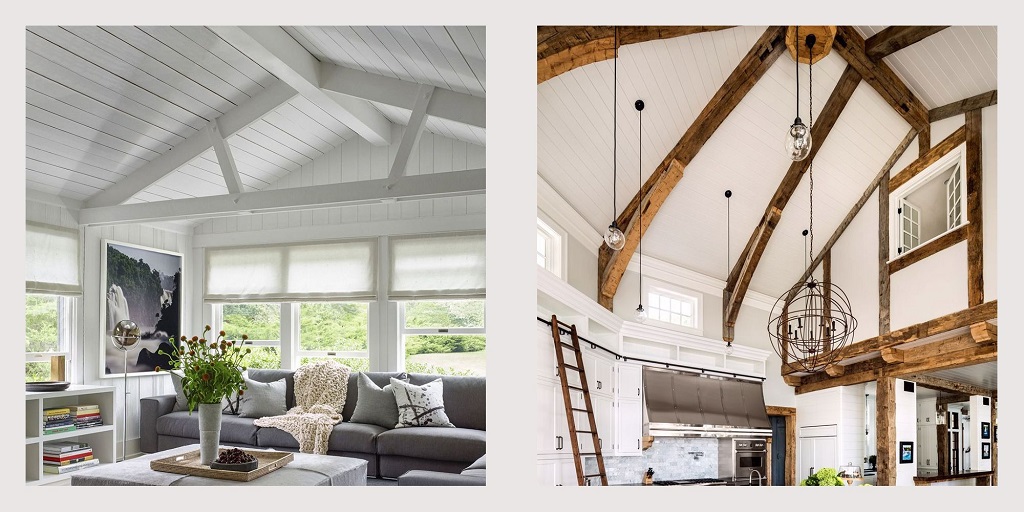
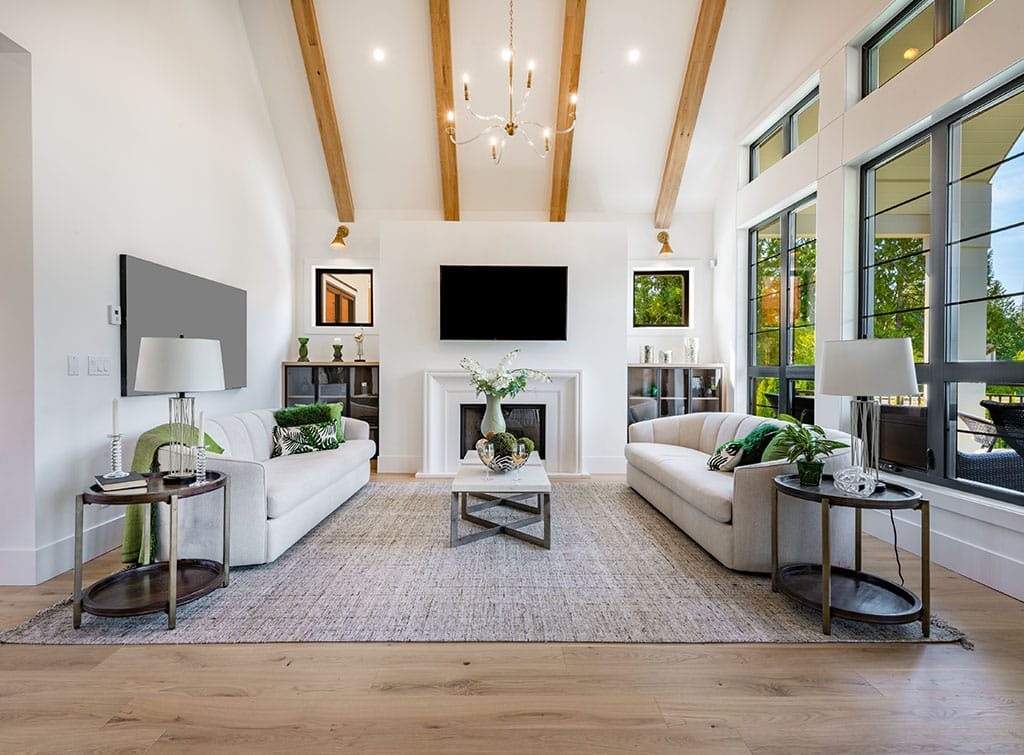
Vaulted ceilings refer to a ceiling design that is higher than the traditional flat ceiling. These ceilings have an arched or angled shape that can make a room feel much larger than it is. They are often found in spaces like living rooms, entryways, and master bedrooms, creating an expansive and airy feel. Vaulted ceilings can come in various styles, including cathedral ceilings, which have two sides that slope toward the center peak, or barrel ceilings, which are rounded and cylindrical in shape.
Why Are Vaulted Ceilings Popular?
Vaulted ceilings are often used to make a space feel grander and more open. They allow for larger windows, letting in more natural light, which can make a room feel brighter. For homeowners who value aesthetics, vaulted ceilings can add an element of luxury, creating a striking focal point in any room.
Additionally, these ceilings allow for more creativity with lighting and design elements. Pendant lights, chandeliers, and skylights can be installed to take full advantage of the height and openness of the space.
Pros of Home Plans with Vaulted Ceilings
Vaulted ceilings offer numerous advantages that can enhance both the functionality and aesthetic appeal of a home. Here’s a closer look at why homeowners love them.
1. Increased Sense of Space
One of the most immediate benefits of vaulted ceilings is the feeling of openness and space they provide. When a room has a high ceiling, it immediately feels larger and more expansive. For smaller homes or rooms, this extra vertical space can make a significant difference in how comfortable and roomy the area feels.
2. Aesthetic Appeal
Vaulted ceilings add a touch of elegance and luxury to any home. The dramatic design can make an otherwise standard room feel like a grand living space. The architecture often serves as a focal point, enhancing the visual appeal of the entire room and sometimes the home as a whole.
3. Natural Light
The higher the ceiling, the more natural light can be brought into a room through larger windows. Vaulted ceilings often allow for taller, wider windows to be installed, allowing more sunlight to flood the space. Natural light not only brightens up a room but can also improve the overall mood and energy in your home.
4. Design Flexibility
Homeowners with vaulted ceilings have a lot of flexibility when it comes to designing their spaces. You can hang large artwork, install towering bookcases, or showcase dramatic lighting fixtures. The added height also allows for the installation of unique elements such as large ceiling fans or chandeliers that would not fit in rooms with standard ceilings.
5. Increased Home Value
Because vaulted ceilings are often associated with luxury, they can increase a home’s resale value. Homes with vaulted ceilings can be seen as more desirable, making them stand out in the competitive real estate market. However, this benefit may vary depending on the overall design of the home and the preferences of potential buyers.
Cons of Home Plans with Vaulted Ceilings
While offer many benefits, they also come with their drawbacks. Let’s explore some of the common downsides of this ceiling design.
1. Higher Energy Costs
One of the most significant downsides of ceilings is their potential impact on energy efficiency. Because the air volume in a room is larger, it takes more energy to heat or cool the space. During the winter, hot air rises and may get trapped at the top of the vaulted ceiling, making it harder to keep the lower areas warm. In the summer, the larger space can also become more difficult to cool, leading to higher air conditioning costs.
2. More Expensive to Build and Maintain
Vaulted ceilings generally require more structural work, which can make the construction process more expensive. The materials needed to support the arched design and the labor involved in installing these ceilings can increase the overall cost of building or remodeling a home. Additionally, the maintenance of ceilings, such as cleaning high windows or repairing any structural damage, may require specialized services, adding to the cost.
3. Difficult to Insulate
Insulating a vaulted ceiling properly can be more challenging than insulating a standard flat ceiling. Without proper insulation, the energy inefficiencies discussed earlier can become exacerbated. In colder climates, ceilings can lead to significant heat loss, while in warmer areas, the need for air conditioning becomes more critical.
4. Less Privacy
Vaulted ceilings often open up the space to the second floor or other areas of the home, which can result in less privacy. If you live in a two-story home, you may find that sounds and sights from upstairs can be easily heard and seen in the open spaces below. This can be a particular issue in bedrooms or bathrooms, where privacy is paramount.
5. Difficult to Decorate
While vaulted ceilings offer plenty of design flexibility, they can also be more difficult to decorate effectively. The height of the ceiling can make it harder to achieve the desired balance between furniture, décor, and space. It can also be challenging to hang decorations or artwork at eye level, which may make the room feel less cohesive.
Vaulted Ceiling Home Plans: What to Consider
Before deciding on a vaulted ceiling design for your home, there are several factors to consider. These factors will help you determine whether a vaulted ceiling is a good fit for your home and lifestyle.
Ceiling Design and Style
Vaulted ceilings come in a variety of styles, from cathedral and barrel ceilings to more modern, angular designs. Think about the architectural style of your home and how a vaulted ceiling would complement or contrast with it.
Room Functionality
Consider the purpose of the room where you’re planning to add a vaulted ceiling. ceilings work best in rooms that benefit from a sense of openness and airiness, such as living rooms, entryways, or kitchens. In smaller bedrooms or bathrooms, the added height might feel overwhelming or unnecessary.
Budget
Vaulted ceilings are an investment. Not only do they add to the cost of building or remodeling, but they can also increase your long-term energy expenses. Make sure to account for both the initial costs and ongoing maintenance before making a decision.
Heating and Cooling Needs
As mentioned, vaulted ceilings can significantly impact the efficiency of your heating and cooling systems. It may be necessary to invest in a more powerful HVAC system to maintain a comfortable temperature in your home. Alternatively, consider installing ceiling fans or smart thermostats to help regulate temperature.
Read More Also: DIY Dock Maintenance: A Beginner’s Guide to Keeping Your Dock Shipshape
Frequently Asked Questions
Are vaulted ceilings worth the investment?
Vaulted ceilings can be a great investment if you want to enhance the aesthetic appeal of your home and create a sense of openness. However, they can increase construction costs and energy bills, so it’s important to consider your budget and energy needs.
Do vaulted ceilings increase home value?
Vaulted ceilings often add value to a home, especially if they are integrated into an open-plan living area. However, the added value can depend on the home’s overall design and the preferences of potential buyers.
Can I add a vaulted ceiling to an existing home?
Yes, it’s possible to add a vaulted ceiling to an existing home, but it can be a complex and expensive process. Structural modifications will likely be required to support the new design, which could involve major renovations.
What are the best rooms for vaulted ceilings?
Vaulted ceilings work best in large living areas, entryways, or great rooms. They are also popular in kitchens and dining rooms where you want to create a feeling of spaciousness. are less common in smaller rooms like bedrooms and bathrooms.
How do I keep a vaulted ceiling energy-efficient?
To improve energy efficiency in a room with vaulted ceilings, ensure that it is properly insulated. Consider using energy-efficient windows, installing ceiling fans, and choosing an HVAC system that can handle the extra space. You can also consider adding skylights or other elements that allow for natural heating and cooling.
Are vaulted ceilings difficult to maintain?
Vaulted ceilings may be more difficult to maintain due to their height. Cleaning high windows, checking for structural issues, and repainting may require professional help, which can increase maintenance costs.
Read More Also: From Disaster to DIY Master: Can I Fix This Myself?
Conclusion
Home plans with vaulted ceilings are a beautiful and functional option for homeowners looking to enhance their living spaces. These ceilings can transform any room by adding a sense of openness and grandeur, while also increasing natural light and aesthetic appeal. However, they come with some downsides, such as higher energy costs and maintenance needs. It’s essential to carefully weigh the pros and cons of before deciding if they are the right choice for your home. With the right design and planning, can be an excellent way to elevate the overall style and functionality of your home.
You May Like
Can You Use Push Fit Fittings on Copper Pipe? What You Need to Know