
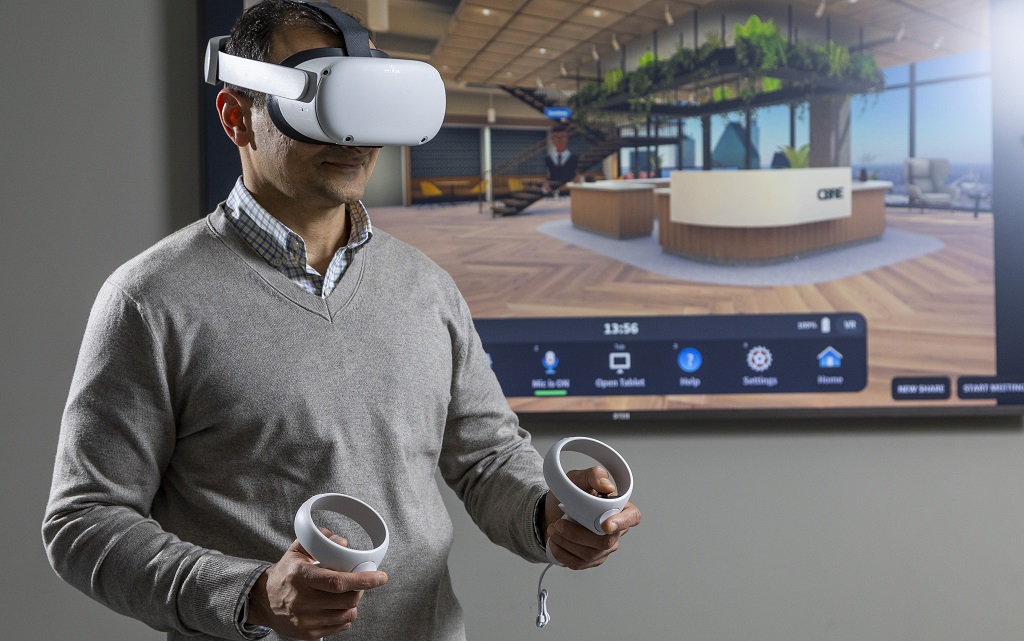
The Rise of Virtual Reality in Real Estate
The advantages of VR tours are undeniable. They provide a level of detail and accessibility that simply wasn’t possible before. Here’s what makes VR so attractive for both buyers and sellers:
-
Convenience for Buyers: VR tours can be accessed from anywhere in the world, at any time. This is a boon for busy individuals, out-of-town buyers, or those with limited mobility. It allows for a more efficient search process, filtering out unsuitable properties quickly.
-
Enhanced Experience: Unlike static photos or even video tours, VR offers a truly immersive experience. Buyers can virtually “walk” through the house, get a feel for the layout and flow of space, and envision themselves living there. This can significantly increase buyer engagement and help them connect emotionally with the property.
-
Global Reach: VR tours can expand a property’s reach beyond local markets. International buyers can now experience a home virtually, opening doors to a wider pool of potential purchasers.
-
Reduced Costs: For sellers, VR tours can minimize the disruption caused by traditional showings. They can potentially reduce the number of unnecessary physical viewings, saving time and effort. Additionally, VR tours can be a cost-effective marketing tool, especially for luxury properties.
The Current Landscape: VR and Physical Showings
While VR offers undeniable benefits, it’s important to understand its limitations in the current landscape. Here’s why physical showings likely won’t disappear entirely shortly:
-
The Emotional Connection: Buying a home is often an emotional decision. While VR can showcase the physical aspects, it can’t replicate the feeling of actually walking through a space, experiencing the natural light, or noticing subtle details that might not be captured in a VR tour.
-
Trust and Verification: Some buyers may still prefer the reassurance of seeing a property in person. VR technology is still evolving, and potential buyers may have concerns about the accuracy of the virtual representation. Physical inspections allow buyers to verify details and ask questions on the spot.
-
Addressing Concerns: VR tours may not reveal potential issues like noise levels, unpleasant odors, or structural problems. Physical viewings allow buyers to identify these concerns and address them with the seller.
The Future of VR in Real Estate
Despite these limitations, VR is likely to play an increasingly important role in the real estate industry. Here’s how VR technology is expected to evolve:
-
Increased Realism: As VR technology advances, virtual tours will become more and more realistic, with features like high-dynamic-range (HDR) visuals and spatial audio to create a truly immersive experience.
-
Interactive Features: Future VR tours could allow for greater interactivity. Buyers might be able to virtually open doors, turn on lights, or even customize furniture placement to get a better sense of the space’s potential.
-
Integration with AI: Imagine a VR tour that guides you through the house, highlighting key features and providing information based on your preferences. Artificial intelligence (AI) integration could personalize the VR experience and make it even more informative.

VR as a Valuable Tool, Not a Replacement
So, can you sell your house entirely through VR? While VR technology is rapidly evolving, it’s unlikely to completely replace physical showings in the foreseeable future. However, VR is well-positioned to become an indispensable tool in a future-proofed real estate strategy. Here’s how sellers can leverage VR effectively:
-
Targeted Marketing: Use VR tours as a pre-screening tool to attract qualified buyers who are truly interested in the property. This can save time and effort for both sellers and buyers.
-
Showcase Unique Features: VR is ideal for highlighting unique features of a property, such as a stunning view, a luxurious bathroom, or a home theater system.
-
Reach a Wider Audience: Expand your reach beyond local markets and attract international buyers with high-quality VR tours.
Related: What is a Real Estate Appraisal? Everything You Need to Know
Conclusion
The rise of VR in real estate represents a paradigm shift towards a more convenient, immersive, and globalized approach to property marketing. While VR won’t eliminate physical showings, it’s poised to become a powerful tool for attracting qualified buyers and streamlining the real estate sales process. As VR technology continues to develop, expect even more exciting possibilities to emerge, shaping the future of how we buy and sell homes.