
Algae growth on roofs creates unsightly black streaks and can compromise the integrity of roofing materials over time. Homeowners often struggle to understand the best prevention methods available. When exploring solutions with companies like Roof Master Construction, it becomes essential to understand the fundamental difference between biocidal and biostatic approaches to algae control. Both methods offer distinct advantages for protecting your roof investment.
Understanding Algae Growth on Roofs
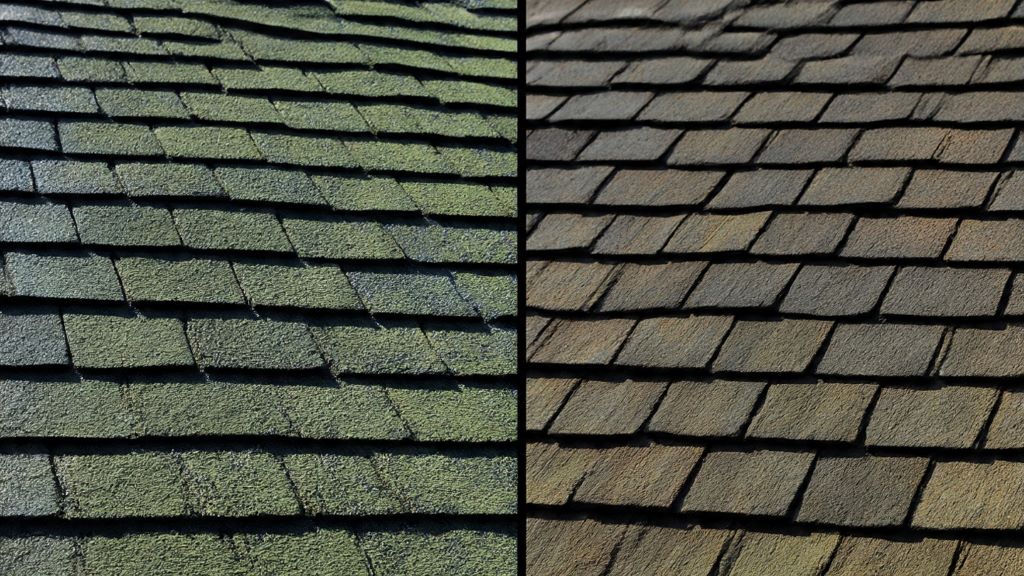
Algae thrives in warm, humid environments where moisture accumulates. The most common culprit is Gloeocapsa magma, a blue-green algae that feeds on the limestone filler in asphalt shingles. This organism creates dark stains that gradually spread across roof surfaces. Additionally, algae growth can retain moisture against roofing materials, potentially accelerating deterioration. The problem affects homes across various climates, though it appears most frequently in regions with high humidity and limited direct sunlight.
What Is Biocidal Algae Control?
Biocidal treatments actively kill algae organisms on contact. These solutions contain antimicrobial agents that destroy existing algae and prevent new growth for a limited period. However, biocidal approaches require periodic reapplication as their effectiveness diminishes over time. Common biocidal treatments include copper sulfate, zinc strips, and various chemical cleaners specifically formulated for roof applications.
The primary advantage of biocidal methods lies in their immediate effectiveness. They quickly eliminate visible algae stains and restore roof appearance. Many homeowners choose this approach when addressing existing algae problems. Nevertheless, the temporary nature of these treatments means ongoing maintenance becomes necessary to prevent recurring growth.
What Is Biostatic Algae Control?
Biostatic methods prevent algae growth without killing organisms outright. Instead, these approaches create inhospitable conditions that discourage algae from establishing colonies. Algae resistance through biostatic means often involves incorporating copper or zinc granules directly into roofing materials during manufacturing. These metals release ions that inhibit algae reproduction and attachment to surfaces.
Therefore, biostatic solutions offer long-term protection integrated into the roofing system itself. The effectiveness continues throughout the lifespan of the roofing material without requiring additional treatments. This built-in protection represents a proactive approach rather than a reactive one.
Key Differences Between Biocidal and Biostatic Methods
The fundamental distinction centers on mechanism of action. Biocidal treatments eliminate algae through direct toxicity, while biostatic methods prevent colonization by creating unfavorable conditions. This difference significantly impacts application frequency, cost over time, and environmental considerations.
Biocidal treatments typically work faster but require ongoing maintenance. Homeowners must schedule regular reapplications to maintain protection. Conversely, biostatic solutions provide continuous protection without intervention once installed. The initial investment in biostatic materials may exceed standard options, but long-term costs often prove lower due to reduced maintenance requirements.
Environmental and Safety Considerations
Environmental impact varies considerably between these approaches. Biocidal chemicals can wash off roofs during rainfall, potentially affecting surrounding vegetation and water systems. Some formulations contain harsh ingredients that require careful handling during application. Additionally, runoff from treated roofs may impact landscaping below.
Biostatic methods generally present fewer environmental concerns. The metal ions released occur in minimal quantities that rarely affect surrounding ecosystems. Furthermore, integrated biostatic protection eliminates the need for chemical applications that generate waste or require special disposal. According to the Environmental Protection Agency, choosing materials with built-in algae resistance can reduce the need for periodic chemical treatments.
Cost Analysis Over Time
Initial costs differ substantially between these options. Biocidal treatments represent relatively inexpensive immediate solutions. A professional roof cleaning with biocidal agents typically costs several hundred dollars. However, these treatments require repetition every two to five years depending on environmental conditions.
Biostatic roofing materials command premium prices at installation. The upgrade to algae-resistant shingles may add ten to twenty percent to material costs. Nevertheless, eliminating recurring treatment expenses often results in lower total ownership costs. Homeowners should calculate long-term expenses when comparing options rather than focusing solely on upfront investment.
Effectiveness and Longevity
Performance duration represents a critical consideration. Biocidal treatments offer immediate visible results that fade over months or years. Weather conditions, roof pitch, and sun exposure all influence how long treatments remain effective. Shaded roof sections typically require more frequent reapplication than areas receiving direct sunlight.
Biostatic protection maintains consistent effectiveness throughout the material’s lifespan. Modern algae-resistant shingles typically carry warranties spanning twenty to thirty years. The copper or zinc granules embedded in these materials continue releasing protective ions indefinitely. Therefore, homeowners gain peace of mind knowing their protection won’t suddenly lapse between maintenance intervals.
Making the Right Choice for Your Home
Several factors influence which approach suits specific situations best. Existing roofs with established algae growth may benefit from biocidal treatment initially. This provides immediate improvement in appearance while homeowners consider long-term solutions. However, homes in algae-prone regions should strongly consider biostatic materials when replacement becomes necessary.
Regional climate plays a significant role in decision-making. Areas with persistent humidity and shade experience more severe algae problems. These locations particularly benefit from permanent biostatic protection. Conversely, regions with dry climates and abundant sunshine may find either approach adequate.
Budget constraints also affect choices. Homeowners planning near-term roof replacement might postpone treatments and invest in biostatic materials instead. Those expecting to remain in current homes for decades typically find biostatic options more economical. Meanwhile, short-term residents might prefer periodic biocidal treatments over premium material investments.
Professional Installation and Maintenance
Proper installation ensures maximum effectiveness regardless of chosen method. Biocidal treatments require even application across entire roof surfaces to prevent uneven algae growth patterns. Professional applicators understand correct dilution ratios and safety protocols. They also identify underlying moisture issues that might accelerate algae colonization.
Biostatic roofing materials demand expert installation to maintain warranty coverage. Improper techniques can compromise built-in protection or reduce overall shingle performance. Qualified contractors understand specific requirements for handling and installing algae-resistant products. They ensure proper ventilation and flashing that prevent moisture accumulation supporting algae growth.
Industry Trends and Innovations
Roofing technology continues evolving to address algae challenges more effectively. Manufacturers now offer enhanced formulations combining multiple protective mechanisms. Some products integrate both biostatic metals and surface treatments for comprehensive defense. Additionally, new coating technologies provide supplementary protection for existing roofs without full replacement.
Research into environmentally friendly biocidal agents progresses steadily. Scientists develop formulations with reduced environmental impact while maintaining effectiveness. These innovations may eventually bridge the gap between immediate biocidal results and long-term biostatic benefits. The National Roofing Contractors Association regularly publishes updates on emerging algae control technologies.
Conclusion
Understanding the distinction between biocidal and biostatic algae control empowers homeowners to make informed decisions about roof protection. Biocidal methods offer quick solutions for existing problems but require ongoing maintenance and reapplication. Biostatic approaches provide permanent, integrated protection that lasts throughout the roofing material’s lifespan without additional treatments. Environmental considerations, long-term costs, and regional climate conditions all influence which option best serves individual needs. Homeowners should evaluate their specific circumstances, budget constraints, and long-term plans when choosing between these fundamentally different approaches to maintaining clean, attractive, and durable roofing systems.
Frequently Asked Questions
How long does biocidal algae treatment last on a roof?
Biocidal treatments typically remain effective for two to five years depending on environmental conditions. Factors like humidity, shade, and rainfall frequency affect longevity. Roofs with significant shade or persistent moisture may require more frequent reapplication than those receiving abundant sunlight.
Are algae-resistant shingles worth the extra cost?
Algae-resistant shingles generally provide excellent value for homes in humid climates prone to algae growth. While initial costs run higher, eliminating recurring treatment expenses and maintaining curb appeal often justifies the investment. Homeowners planning to remain in their homes long-term typically see the greatest return.
Can I apply biocidal treatments myself or should I hire professionals?
While DIY biocidal treatments are possible, professional application ensures even coverage and proper safety precautions. Professionals use appropriate concentrations, understand roof walking safety, and can identify underlying issues contributing to algae growth. Improper application may damage roofing materials or prove ineffective.
Do biostatic methods work in all climates?
Biostatic algae-resistant materials function effectively across diverse climates. However, they provide greatest benefit in warm, humid regions where algae growth occurs most aggressively. Dry climates with abundant sunshine experience less algae pressure, making standard materials potentially adequate.
Will algae growth damage my roof if left untreated?
Algae growth can accelerate roof deterioration by retaining moisture against shingles and breaking down protective granules. While the damage occurs gradually, untreated algae may shorten roof lifespan and reduce energy efficiency. Additionally, severe algae staining significantly decreases curb appeal and potentially affects property values.
Related Topics:
You May Like
Denver Home and Remodeling Expo 2026: Home Improvement, and Remodeling