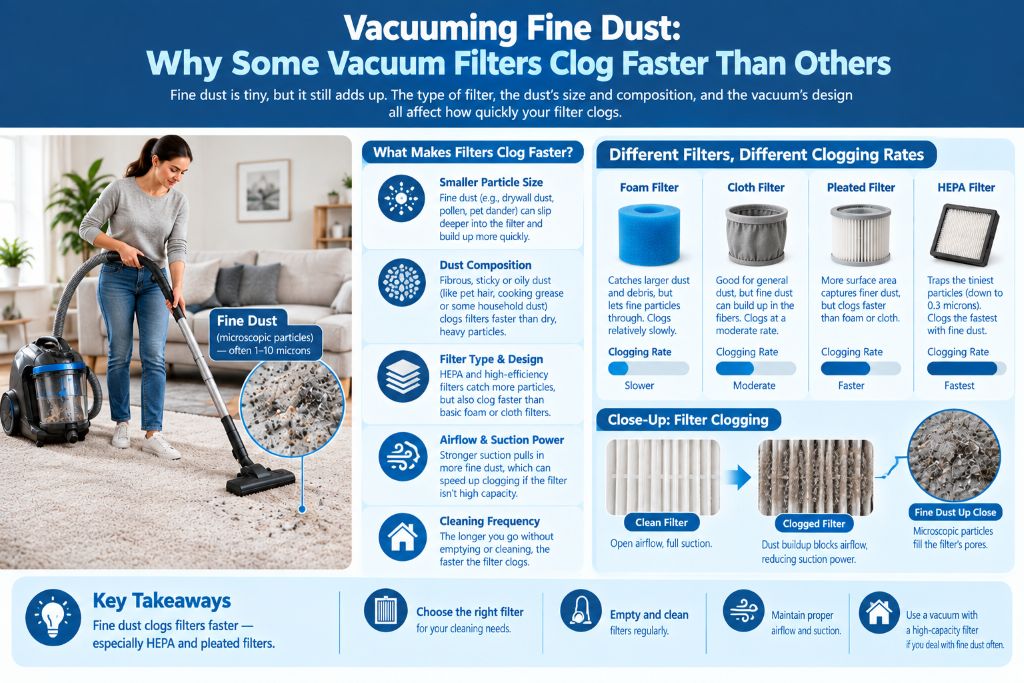

Imagine walking into a kitchen where natural light floods countertops free of harmful chemicals, or stepping into a bathroom with air quality so pristine you can breathe easier. Your home should be your sanctuary, yet outdated kitchens and bathrooms often harbor hidden health hazards—from mold-breeding moisture to toxic materials lurking beneath old finishes. Kitchen and bathroom remodeling isn’t just about aesthetics; it’s an investment in your family’s wellbeing and your home’s long-term value.
Why Should You Prioritize Health When Planning Kitchen and Bathroom Remodeling?
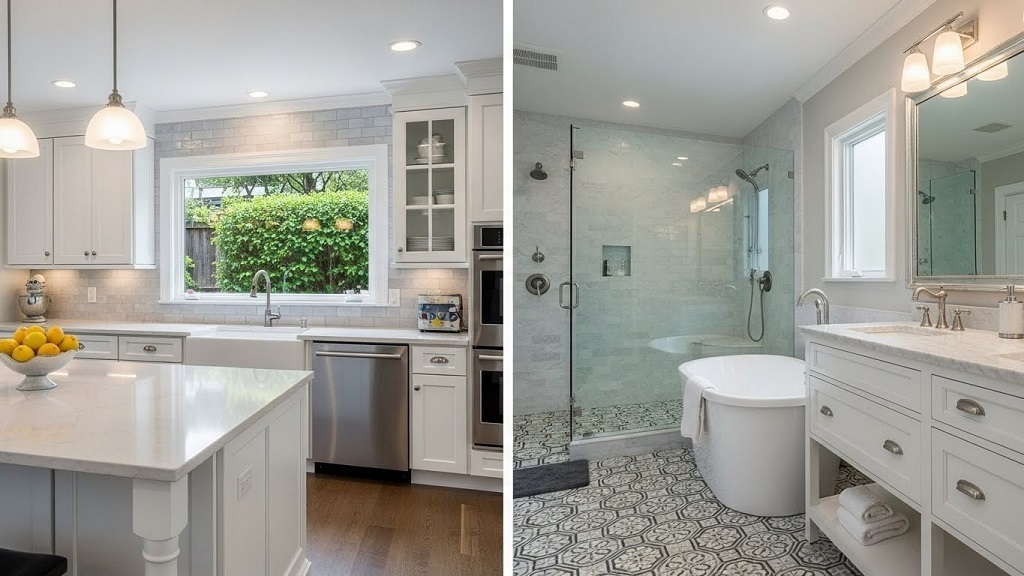
When embarking on kitchen and bathroom remodeling projects, health considerations should top your priority list. These rooms experience constant exposure to moisture, heat, and chemicals—creating perfect conditions for mold growth, poor air quality, and bacterial contamination if not properly designed.
Older homes particularly face challenges with outdated ventilation systems, lead-based materials, and asbestos-containing products. Modern remodeling allows you to eliminate these hazards while incorporating healthier alternatives. Low-VOC (Volatile Organic Compounds) paints, formaldehyde-free cabinets, and non-toxic flooring materials significantly reduce indoor air pollution that can trigger allergies, asthma, and other respiratory issues.
Additionally, improved lighting—especially natural light—has proven benefits for mood, sleep cycles, and vitamin D production. Proper ventilation systems remove excess humidity, preventing mold while exhausting cooking fumes and bathroom moisture that compromise air quality. By focusing on health during renovation planning, you’re creating spaces that actively support your family’s wellness rather than silently undermining it.
What Are the Essential Kitchen Remodel Tips for Creating a Healthier Space?
Smart kitchen remodel tips begin with ventilation. Installing a high-quality range hood that vents outdoors—not just recirculates air—removes cooking pollutants, grease particles, and excess moisture. Look for models with at least 400 CFM capacity for standard kitchens, and ensure they’re properly ducted to the exterior.
Material selection makes tremendous difference. Choose solid wood or metal cabinets with low-VOC finishes instead of particle board that off-gases formaldehyde. For countertops, quartz, granite, or stainless steel provide non-porous, bacteria-resistant surfaces that won’t harbor harmful microorganisms like older laminate or tile with cracked grout.
Lighting strategy should combine task, ambient, and natural light sources. Install larger windows or skylights where possible, and use LED bulbs that don’t emit heat or contain mercury. Under-cabinet lighting improves visibility for food preparation while reducing eye strain.
Water quality deserves attention too. Incorporate a whole-house filtration system or at minimum, an under-sink filter to remove chlorine, lead, and other contaminants. Touchless faucets reduce bacterial transmission, while deep, undermount sinks make cleaning easier and more thorough.
Finally, create dedicated zones for different activities. Separate raw food preparation areas from cooking zones, maintain proper clearances around heat sources, and ensure adequate counter space to prevent cross-contamination during meal preparation.
How Can Bathroom Remodel Tips Improve Indoor Air Quality and Hygiene?
Bathroom remodel tips centered on health start with moisture management. Install exhaust fans rated for your bathroom’s square footage—typically 50-80 CFM for standard bathrooms—and ensure they vent directly outdoors. Run fans during showers and for 20 minutes afterward to eliminate humidity that feeds mold growth.
Tile and grout selection significantly impacts cleanliness. Large-format tiles mean fewer grout lines where bacteria and mold accumulate. Epoxy grout resists staining and moisture penetration better than traditional cement grout. For shower areas, consider seamless options like solid surface materials or large porcelain slabs that eliminate grout entirely.
Flooring should be water-resistant and slip-resistant. Porcelain tile, luxury vinyl plank with waterproof cores, or natural stone with proper sealing provide durability and safety. Avoid carpet, which traps moisture and allergens despite appearing cozy.
Toilet upgrades include dual-flush models that conserve water and wall-mounted designs that simplify floor cleaning, eliminating hidden areas where grime accumulates. Bidet attachments or integrated bidet toilets improve personal hygiene while reducing toilet paper consumption.
Storage solutions keep products organized and prevent clutter that collects dust and moisture. Built-in niches, medicine cabinets with interior electrical outlets, and drawer dividers maintain order while keeping countertops clear and easy to sanitize.
Which Materials Should You Choose for Healthier Kitchen and Bathroom Remodeling?
Material selection forms the foundation of healthy kitchen and bathroom remodeling. For flooring, prioritize options without toxic adhesives or finishes. Ceramic or porcelain tile, natural linoleum (not vinyl), cork, or hardwood with water-based sealants offer durability without off-gassing harmful chemicals.
Wall treatments should include mold-resistant drywall in moisture-prone areas, paired with low-VOC or zero-VOC paints. Milk paint, clay-based paints, or mineral paints provide natural alternatives that still deliver beautiful finishes. For backsplashes and shower surrounds, glass tile, natural stone, or porcelain slabs resist moisture while remaining easy to clean.
Cabinetry deserves careful consideration. Solid wood cabinets finished with natural oils or low-VOC lacquers eliminate formaldehyde exposure. If budget requires engineered wood products, select those certified by CARB (California Air Resources Board) Phase 2 or bearing Greenguard Gold certification, ensuring minimal emissions.
Countertop materials should be non-porous and durable. Quartz engineered stone combines beauty with antimicrobial properties and stain resistance. Granite, soapstone, and concrete sealed with food-safe products work well in kitchens. For bathrooms, these same materials plus solid surface options provide hygienic, long-lasting surfaces.
| Material Category | Healthy Options | Health Benefits |
|---|---|---|
| Flooring | Porcelain tile, natural linoleum, cork | Low VOCs, moisture resistant, antimicrobial |
| Cabinets | Solid wood, CARB-2 certified | Minimal formaldehyde, reduced off-gassing |
| Countertops | Quartz, granite, stainless steel | Non-porous, bacteria resistant, durable |
| Paint | Zero-VOC, natural clay or milk paint | Improved air quality, allergen-free |
What Budget-Friendly Approaches Work for Kitchen and Bathroom Remodeling?
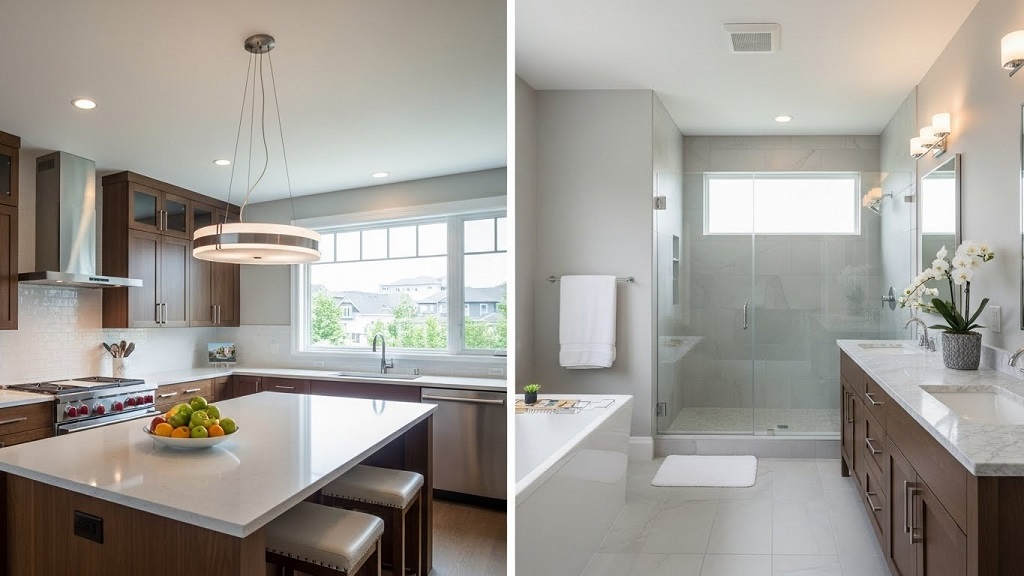
Healthy kitchen and bathroom remodeling doesn’t require unlimited budgets. Strategic planning maximizes impact while controlling costs. Start by addressing the most critical health issues: ventilation, water quality, and removing hazardous materials. These foundational improvements deliver immediate benefits regardless of aesthetic updates.
Cabinet refacing rather than replacement saves 50-70% compared to new cabinetry while still allowing you to specify low-VOC finishes. Replace just cabinet doors and drawer fronts, then paint or refinish the frames with healthy products. This approach works particularly well when existing cabinet boxes remain structurally sound.
Focus spending on high-impact elements. Invest in quality exhaust fans, water filtration systems, and non-toxic flooring—items that directly affect health. Balance with economical choices elsewhere, like painting existing vanities, installing affordable but healthy tile, or choosing attractive laminate countertops certified for low emissions.
Phased renovation spreads costs over time. Address ventilation and moisture issues first, then update finishes as budget allows. This approach prevents overwhelming financial strain while steadily improving your home’s healthfulness.
DIY tasks like painting, installing fixtures, or simple tile work reduce labor costs. Reserve professional help for plumbing, electrical work, and structural modifications that require expertise and permits. Many homeowners successfully tackle 30-40% of remodeling tasks themselves, significantly reducing total project costs.
How Do You Plan a Kitchen and Bathroom Remodeling Timeline That Minimizes Disruption?
Effective timeline planning for kitchen and bathroom remodeling reduces stress and maintains household function. Kitchen renovations typically require 6-12 weeks depending on scope, while bathrooms need 3-6 weeks. Understanding this helps set realistic expectations and plan accordingly.
Create a temporary kitchen in another room with a microwave, toaster oven, and portable cooktop. Stock paper plates and disposable utensils to minimize cleanup. Designate a washing station for dishes if possible, or plan to use disposable items throughout the renovation.
For bathrooms, schedule work in stages if you have multiple bathrooms. If renovating your only bathroom, arrange alternative facilities—perhaps with neighbors, nearby gyms, or family members. Some homeowners rent portable facilities for extensive renovations, ensuring basic sanitation throughout the project.
Protect your home during construction by sealing off work areas with plastic sheeting and maintaining negative air pressure with fans exhausting outdoors. This prevents dust and fumes from spreading throughout your home—especially important when removing old materials that may contain hazardous substances.
Order materials well in advance, particularly custom items like cabinets that may require 8-12 weeks lead time. Delays in material delivery commonly extend projects, so build buffer time into your schedule. Verify delivery dates before demolition begins to avoid lengthy gaps where rooms remain unusable.
Conclusion
Kitchen and bathroom remodeling represents one of the most valuable investments you can make in your home’s comfort, functionality, and your family’s health. By prioritizing non-toxic materials, proper ventilation, moisture management, and thoughtful design, you create spaces that actively support wellbeing rather than compromise it. The kitchen remodel tips and bathroom remodel tips outlined here provide a roadmap for transforming these essential rooms into healthy havens.
Remember that every home renovation journey begins with a single decision. Whether you start with improved ventilation, upgraded materials, or a complete overhaul, each step toward a healthier home counts. Don’t let the scope of a full renovation overwhelm you—even small changes like installing a quality exhaust fan or choosing low-VOC paint make measurable differences in indoor air quality and overall health.
Ready to transform your kitchen and bathroom into healthier spaces?
Start by assessing your current rooms for moisture issues, ventilation problems, and materials that may be affecting your indoor air quality. Download our free remodeling checklist and begin planning your journey to a healthier home today. Your family’s wellbeing is worth the investment.
Frequently Asked Questions
How much does healthy kitchen and bathroom remodeling typically cost?
Kitchen and bathroom remodeling costs vary widely based on scope and materials. A minor kitchen remodel with health-focused upgrades averages $15,000-$30,000, while mid-range projects run $30,000-$60,000. Bathroom renovations typically cost $10,000-$25,000 for standard updates. Prioritizing ventilation, non-toxic materials, and quality fixtures may add 10-15% to conventional renovation costs, but delivers long-term health benefits and higher resale value.
What are the most important health considerations for bathroom remodeling?
The most critical bathroom remodel tips for health focus on moisture control and air quality. Install exhaust fans rated appropriately for your space that vent outdoors, use mold-resistant materials like epoxy grout and waterproof cement board, and choose non-porous surfaces that don’t harbor bacteria. Proper ventilation prevents mold growth, while low-VOC paints and formaldehyde-free vanities improve air quality significantly.
Can I make my kitchen healthier without a full remodel?
Absolutely. Many kitchen remodel tips deliver health benefits without complete renovation. Install or upgrade your range hood to properly vent outdoors, add under-sink water filtration, replace cabinet hardware with touchless options to reduce germ transmission, upgrade to LED lighting, and repaint with zero-VOC products. These targeted improvements significantly enhance kitchen healthfulness at a fraction of full remodeling costs.
How long does kitchen and bathroom remodeling take to complete?
Timeline varies by project scope. Minor kitchen updates take 3-4 weeks, while major remodels require 8-12 weeks. Bathroom renovations typically need 3-6 weeks depending on complexity. Delays occur when materials arrive late or unexpected issues emerge during demolition. Build 15-20% buffer time into your schedule and order custom items like cabinets 8-12 weeks before planned installation to avoid delays.
What certifications should I look for when choosing healthy remodeling materials?
Key certifications include Greenguard Gold (low chemical emissions), CARB Phase 2 (formaldehyde limits for wood products), FloorScore (flooring emissions), and Green Seal (various products). For paint, look for zero-VOC certification. WaterSense labels identify water-efficient fixtures. These third-party certifications ensure materials meet strict health and environmental standards beyond manufacturer claims.
Should I hire a professional or DIY my kitchen and bathroom remodeling?
A hybrid approach works best for most homeowners. Hire licensed professionals for plumbing, electrical work, gas lines, and structural modifications—both for safety and code compliance. DIY tasks like demolition, painting, installing fixtures, and simple tiling save 30-40% on labor costs. Assess your skills honestly, and remember that mistakes on complex tasks often cost more to repair than hiring professionals initially.
How can I improve ventilation during kitchen and bathroom remodeling?
Proper ventilation prevents moisture damage and removes pollutants. Install range hoods with at least 400 CFM that duct outdoors, not recirculate. For bathrooms, choose exhaust fans rated 1 CFM per square foot of space, ensuring they vent outside. Add windows where possible for natural ventilation. Consider heat recovery ventilators (HRVs) in tight, energy-efficient homes to maintain air quality while preserving efficiency.
Related Topics: How to Install Shingles on a Gable Roof: Step-by-Step Guide for Homeowners (2025)
Related Topics: Explaining Biocidal vs. Biostatic Algae Control
You May Like

Can You Use Push Fit Fittings on Copper Pipe? What You Need to Know