
Replacing your roof represents a significant investment in your home. However, the work doesn’t end once the new shingles are installed. A comprehensive long term maintenance plan ensures your roof lasts its full lifespan and protects your home for decades to come. This guide walks you through everything you need to know about maintaining your new roof.
Understanding Your Roof’s Expected Lifespan
Different roofing materials come with varying lifespans. Asphalt shingles typically last 20 to 30 years, while metal roofing can endure 40 to 70 years. Tile and slate roofs may last even longer, often exceeding 50 years with proper care. Understanding your specific material helps you plan maintenance activities accordingly.
The lifespan of your roof depends on several factors. Climate conditions play a crucial role, as extreme weather can accelerate wear. Additionally, installation quality significantly impacts longevity. Therefore, working with experienced contractors from the start sets the foundation for years of reliable performance.
Creating Your Maintenance Schedule
A structured maintenance schedule prevents small issues from becoming costly repairs. Start by conducting biannual inspections, ideally in spring and fall. These seasonal checks allow you to identify damage before harsh weather arrives.
Document each inspection with photos and notes. This creates a valuable history of your roof’s condition over time. Moreover, this documentation proves helpful when filing insurance claims or discussing issues with contractors.
Your maintenance calendar should include specific tasks for each season. Spring inspections focus on winter damage assessment, while fall checks prepare your roof for cold weather. However, don’t wait for scheduled times if you notice obvious problems like missing shingles or leaks.
Essential Inspection Points
During each inspection, examine several critical areas. First, check the shingles for curling, cracking, or missing pieces. Even minor shingle damage can lead to water infiltration if left unaddressed.
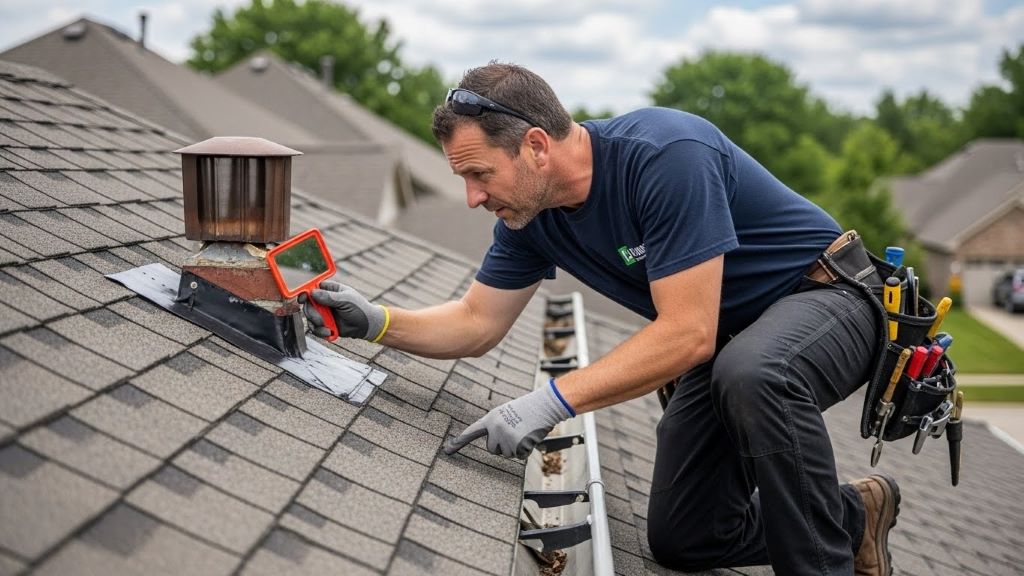
Next, inspect the flashing around chimneys, vents, and skylights. Flashing prevents water from seeping into vulnerable joints and transitions. Furthermore, examine the gutters and downspouts for proper drainage. Clogged gutters cause water to back up under shingles, potentially causing rot.
Look for signs of moss, algae, or lichen growth. These organisms retain moisture and can deteriorate roofing materials over time. Additionally, check for accumulated debris like leaves and branches. Such debris traps moisture and accelerates deterioration.
Inside your attic, inspect for water stains, mold, or daylight coming through the roof boards. These signs indicate existing leaks that require immediate attention. Proper attic ventilation also matters, as it prevents heat and moisture buildup that damages roofing materials from beneath.
Cleaning and Debris Removal
Regular cleaning extends your roof’s lifespan significantly. Remove leaves, branches, and other debris at least twice yearly. Debris accumulation creates damp spots where mold and rot can develop.
Clean your gutters during each inspection. Clogged gutters overflow and cause water to pool on your roof. This standing water eventually finds its way under shingles and into your home’s structure.
If moss or algae appears, address it promptly. Gentle cleaning with appropriate solutions prevents damage to shingles. However, avoid pressure washing, as high pressure can dislodge granules from asphalt shingles and reduce their effectiveness. Consider installing zinc or copper strips along the roof ridge to prevent future growth.
Addressing Minor Repairs Quickly
Small problems become major expenses when ignored. Replace missing or damaged shingles immediately to prevent water infiltration. A single missing shingle can allow moisture into the underlayment and decking.
Seal small cracks in flashing with roofing cement. These quick fixes prevent water entry at vulnerable points. Additionally, secure any loose flashing before it tears away completely.
Trim overhanging tree branches that scrape against your roof. These branches damage shingles and deposit leaves that trap moisture. Moreover, they provide pathways for rodents and insects to access your roof and attic.
Professional Inspections and Maintenance
While homeowner inspections catch obvious issues, professional evaluations provide deeper insights. Schedule a professional roof inspection every three to five years. Roofing contractors have the expertise and equipment to identify hidden problems.
Professional inspections become especially important as your roof ages. According to the National Association of Home Builders, proper maintenance can extend a roof’s lifespan by several years. Contractors can assess structural integrity and recommend preventive measures before major issues develop.
Furthermore, many roofing warranties require periodic professional inspections. Failing to maintain these inspection requirements may void your warranty coverage. Therefore, keep all inspection reports and maintenance records organized.
Weatherproofing and Seasonal Preparations
Prepare your roof for seasonal challenges. Before winter, ensure proper attic insulation and ventilation to prevent ice dams. Ice dams form when heat escapes through the roof, melting snow that refreezes at the eaves. This ice buildup forces water under shingles.
Clean gutters thoroughly before winter arrives. Ice-filled gutters become heavy and can pull away from your home. Additionally, consider installing heating cables in areas prone to ice dam formation.
Before hurricane or tornado season, secure loose shingles and flashing. High winds exploit any weakness in your roofing system. The Federal Emergency Management Agency provides guidance on preparing homes for severe weather events.
Trim nearby trees before storm season. Falling branches cause significant roof damage during severe weather. Moreover, removing dead trees eliminates potential projectiles that could puncture your roof.
Budgeting for Long Term Maintenance
Creating a maintenance budget prevents financial stress when repairs arise. Set aside one to four percent of your home’s value annually for maintenance and repairs. This fund covers routine maintenance and unexpected issues.
Track all roof-related expenses in a dedicated account or spreadsheet. This financial history helps you understand the true cost of roof ownership. Additionally, it demonstrates proper maintenance to future buyers if you sell your home.
Consider the lifecycle costs of different repairs. Sometimes investing in higher quality materials or comprehensive repairs saves money over time. Therefore, discuss options with contractors before choosing the cheapest solution.
Documentation and Record Keeping
Maintain detailed records of all roof work. Keep receipts, inspection reports, and photos organized in a dedicated folder. This documentation proves valuable for insurance claims and warranty issues.
Record the dates of repairs, materials used, and contractors hired. This information helps identify patterns in roof performance. Furthermore, comprehensive records increase your home’s value by demonstrating proper maintenance.
Create a digital backup of all documents and photos. Cloud storage ensures you never lose important records. Additionally, share this information with new homeowners if you sell your property.
When to Consider Full Replacement
Despite excellent maintenance, every roof eventually needs replacement. Watch for signs that repairs no longer suffice. Widespread shingle damage, multiple leaks, or sagging areas indicate structural problems requiring replacement.
Consider replacement when repair costs approach 25 to 30 percent of replacement costs. At this point, investing in a new roof makes more financial sense. Moreover, older roofs may not meet current building codes or energy efficiency standards.
Plan replacement proactively rather than waiting for catastrophic failure. Emergency replacements often cost more and limit your material and contractor choices. Therefore, start researching options when your roof enters its final years of expected lifespan.
Conclusion
Long term roof maintenance planning protects your investment and ensures decades of reliable performance. Regular inspections, prompt repairs, and seasonal preparations prevent small issues from becoming expensive problems. By following this guide and maintaining detailed records, you maximize your roof’s lifespan while minimizing unexpected costs. Remember that professional inspections complement your own efforts and provide expert insights into your roof’s condition. With proper planning and consistent attention, your new roof will protect your home throughout its entire expected lifespan.
Frequently Asked Questions
How often should I inspect my roof after replacement?
Inspect your roof twice yearly, ideally in spring and fall. Additionally, check after severe weather events like hailstorms or high winds. Regular inspections catch problems early when repairs remain simple and inexpensive.
Can I perform roof maintenance myself or should I hire professionals?
You can handle basic tasks like debris removal and visual inspections from the ground. However, hire professionals for anything requiring walking on the roof or making repairs. Professional expertise ensures proper fixes without voiding warranties or risking personal injury.
What is the most important maintenance task for extending roof life?
Keeping gutters clean and ensuring proper drainage ranks as the most critical task. Water damage causes most roof failures, so preventing water accumulation protects your entire roofing system effectively.
How much should I budget annually for roof maintenance?
Budget one to four percent of your home’s value annually for all maintenance, including roofing. Set aside at least $300 to $500 yearly specifically for roof maintenance and minor repairs to avoid financial surprises.
Do I need professional inspections if I inspect my roof regularly myself?
Yes, schedule professional inspections every three to five years. Professionals identify hidden problems that homeowners typically miss. Additionally, many warranties require periodic professional inspections to remain valid.
Related Topics:
Roof Vent Installation: Step-by-Step Guide for Existing Roofs (DIY & Pro Tips)
You May Like
Can You Use Push Fit Fittings on Copper Pipe? What You Need to Know