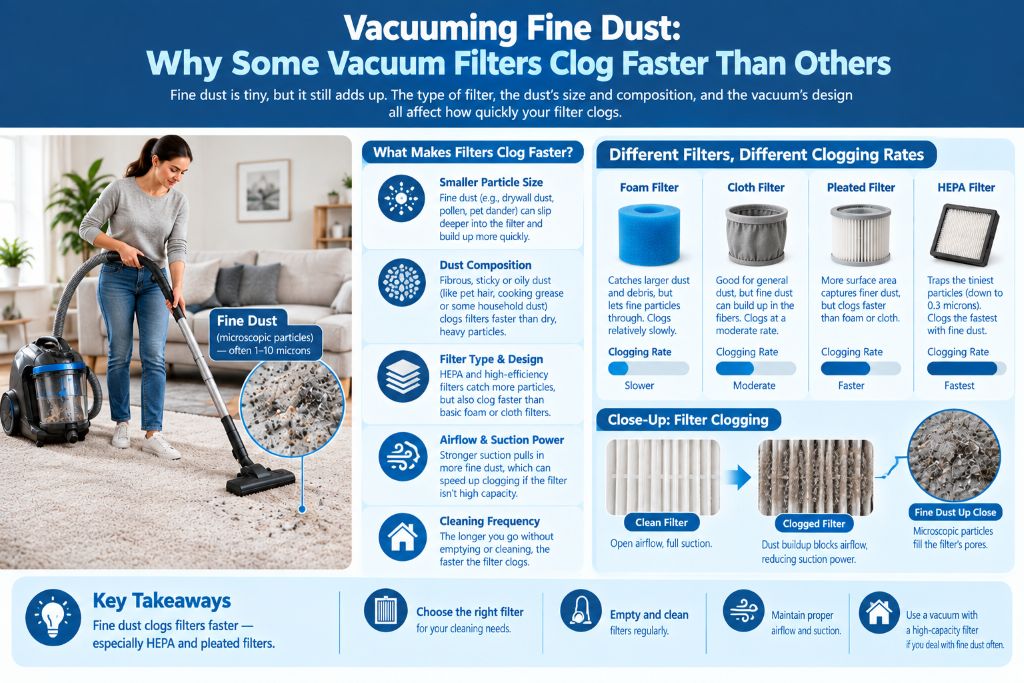
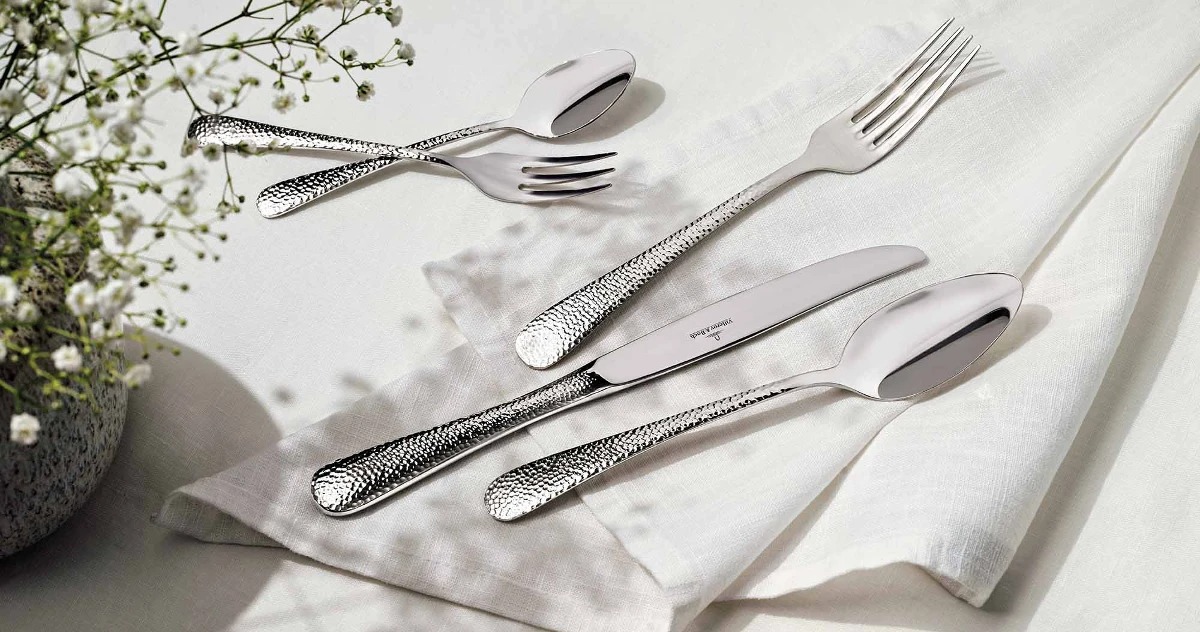
Keeping cutlery clean is essential, not only for aesthetic reasons but also for hygiene. Spotty, tarnished, or dull cutlery can diminish the enjoyment of a meal, while improperly cleaned cutlery can harbor bacteria. Whether you’re maintaining everyday utensils or preserving precious silverware, knowing the right cleaning methods can make a world of difference. In this article, we’ll cover simple, effective techniques to keep your cutlery looking new and free from grime.
Understanding Different Types of Cutlery
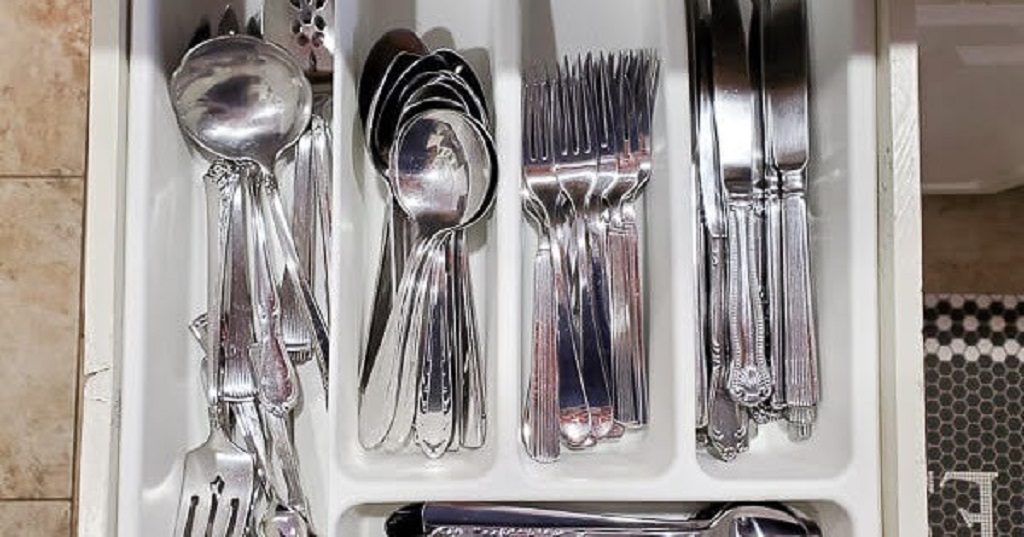
Before jumping into the cleaning methods, it’s essential to know that not all cutlery is created equal. The material of your utensils will influence how you should clean and care for them. The main types of cutlery are:
- Stainless Steel Cutlery: Durable and rust-resistant, stainless steel is the most common material for everyday cutlery. It’s easy to clean and maintain, making it a popular choice for homes and restaurants.
- Silver or Silver-Plated Cutlery: More delicate and susceptible to tarnishing, silver cutlery requires a gentler cleaning approach.
- Wood-Handled Cutlery: Often used in steak knives or specialty cutlery, wooden handles are sensitive to moisture and need specific care.
- Plastic-Handled Cutlery: While plastic is more durable than wood, it can fade, warp, or crack under high heat.
With the different materials in mind, let’s explore how to clean cutlery to keep each type in pristine condition.
Read More Also: Budget Friendly Home Decor Trends to Embrace This Fall
Basic Cleaning: How to Wash Everyday Cutlery
Most cutlery can be cleaned using dishwashing detergent and warm water, but there are a few techniques to ensure that each piece sparkles without stains or residue.
1. Pre-Rinsing to Remove Food Residue
For heavily soiled cutlery, pre-rinsing under warm running water helps to loosen stuck-on food particles. This is especially important for forks, as food can easily get trapped between the tines. Pre-rinsing also prevents food acids from damaging the surface of the cutlery.
2. Using Warm Soapy Water
In a sink or a basin, fill with warm water and add a few drops of mild dishwashing detergent. Avoid using harsh or abrasive cleaners, as these can damage the finish on stainless steel or other materials. Submerge the cutlery and use a soft sponge or cloth to clean each piece. Focus on areas that may trap dirt, such as fork tines and knife serrations.
3. Rinsing and Drying Immediately
After washing, rinse each piece of cutlery under cool, clean water to remove any soap residue. Dry immediately with a clean, lint-free cloth. This step is crucial for stainless steel, as water spots can form if left to air-dry. Immediate drying also prevents rust spots and keeps the cutlery looking shiny.
Removing Stains and Tarnish from Stainless Steel Cutlery
Stainless steel cutlery is durable, but it can sometimes develop stains or water spots. Fortunately, there are a few easy techniques to restore its shine.
Using Baking Soda for Stubborn Stains
If you notice any discoloration or stains, make a paste by mixing baking soda with a small amount of water. Apply this paste to the stained areas using a soft cloth, gently rubbing in a circular motion. Baking soda is mildly abrasive, so it will remove stains without scratching the stainless steel. Once done, rinse and dry the cutlery thoroughly.
Using Vinegar for Water Spots
For water spots on stainless steel, vinegar is a fantastic remedy. Dampen a cloth with white vinegar and rub the spotted areas. The vinegar will help dissolve any minerals left by water, making it an excellent solution for hard water spots. Afterward, rinse with clean water and dry immediately.
Polishing Stainless Steel
To give your stainless steel cutlery an extra sparkle, use a small amount of olive oil or mineral oil on a clean cloth and buff the cutlery. This will add a protective layer that prevents new stains and gives your utensils a polished, shiny appearance.
Caring for Silver and Silver-Plated Cutlery
Silver cutlery is elegant and beautiful, but it requires a bit more care than stainless steel. Here are some tips to keep silver cutlery in top condition.
Avoiding Dishwasher Use
Silver and silver-plated cutlery are best washed by hand. The harsh detergents and high temperatures of a dishwasher can damage the silver’s surface, causing discoloration or even corrosion over time.
Using a Gentle Cleaning Solution
To clean silver cutlery, use a mild, non-abrasive detergent in warm water. Wash each piece gently with a soft cloth or sponge, taking care to avoid excessive scrubbing, as silver is softer than stainless steel. Once cleaned, rinse thoroughly to remove all soap residues.
Removing Tarnish with Baking Soda and Aluminum Foil
Over time, silver cutlery can develop tarnish—a black coating caused by oxidation. One effective way to remove tarnish is to use a baking soda and aluminum foil method. Line a bowl with aluminum foil, shiny side up, and fill it with hot water. Add a tablespoon of baking soda and place the tarnished cutlery in the solution. This creates a chemical reaction that removes tarnish without damaging the silver. After a few minutes, remove the cutlery, rinse, and dry thoroughly.
Polishing Silver Cutlery
To maintain a mirror-like finish, use a silver polish specifically designed for silverware. Apply a small amount of polish to a soft cloth and rub gently on each piece. Wipe off the excess with a clean cloth to reveal a radiant shine.
Special Care for Wood-Handled and Plastic-Handled Cutlery
For cutlery with wooden or plastic handles, extra care is required to prevent damage.
Hand-Washing Only
Wood and plastic handles are generally not dishwasher-safe. The heat and water pressure in dishwashers can weaken glue, warp wood, or cause plastic to crack. Instead, hand wash these utensils with warm soapy water and dry immediately.
Using Oil for Wooden Handles
To keep wooden handles from drying out and cracking, apply a small amount of mineral oil or food-grade wood oil occasionally. This helps to seal the wood and prevent moisture damage. Avoid soaking wood-handled cutlery, as it can cause the wood to swell or warp.
How to Store Cutlery for Lasting Cleanliness and Shine
Proper storage is key to maintaining the cleanliness and appearance of cutlery. Here are some tips for storage:
Organize by Type and Material
When storing cutlery, separate stainless steel, silver, and other materials to prevent any chemical reactions. Silver cutlery should be stored separately to avoid tarnishing caused by contact with other metals.
Use a Drawer Liner
Using a soft drawer liner for your cutlery drawer helps protect utensils from scratches and reduces sliding. Drawer dividers can also help keep cutlery organized and prevent pieces from scratching one another.
Consider a Protective Case for Silver
If you own high-quality silver cutlery, consider investing in a tarnish-resistant storage case or wrapping each piece in anti-tarnish cloth. This will help maintain its shine and protect it from moisture and air exposure, which contribute to tarnishing.
Final Thoughts: Keeping Cutlery in Pristine Condition
Maintaining clean cutlery may seem like a minor detail, but it can significantly enhance your dining experience and extend the life of your utensils. By following these cleaning tips and using the appropriate care methods for each material, you can keep your cutlery looking as good as new for years to come. Whether it’s stainless steel, silver, or wood-handled cutlery, a little extra attention to detail will go a long way in keeping your utensils sparkling and ready for any meal.
You May Like
Vacuuming Fine Dust: Why Some Vacuum Filters Clog Faster Than Others