

The dream of homeownership, a cornerstone of the American narrative, often comes with the assumption of needing a real estate agent. While their expertise is undoubtedly valuable, the digital age has opened up a new avenue: buying a home without a realtor. This path, while potentially saving you significant commission fees, requires meticulous planning, research, and a healthy dose of self-reliance. Let’s dive deep into how you can successfully navigate this process.
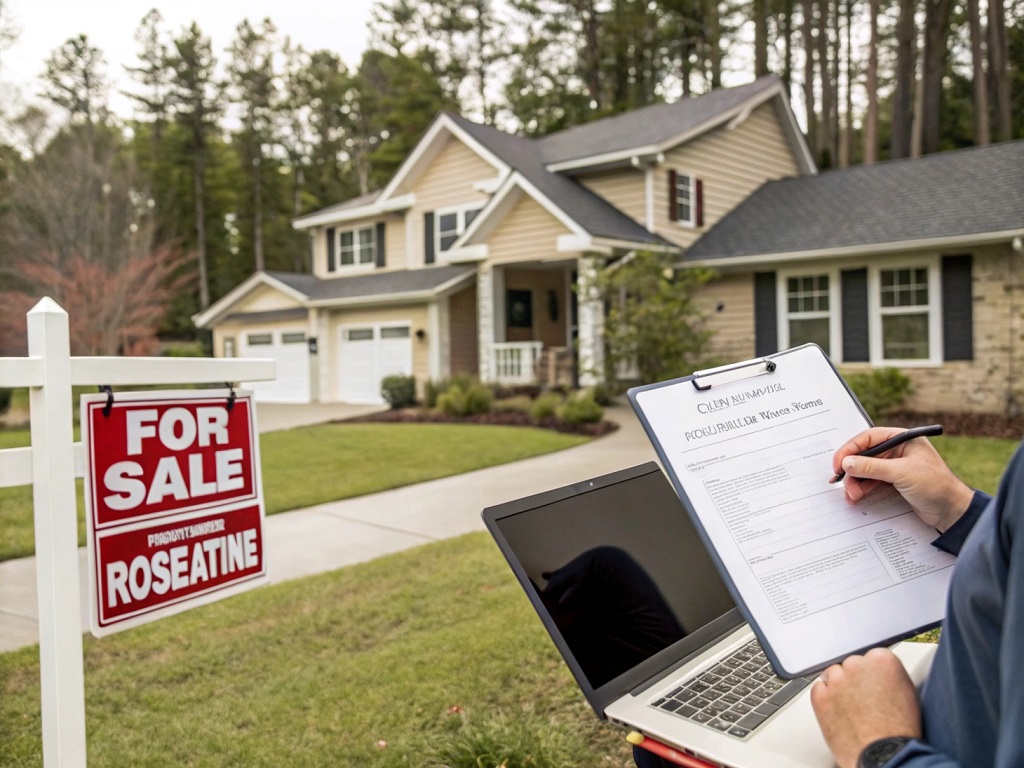
Understanding the “For Sale By Owner” (FSBO) Market
The foundation of a realtor-free purchase lies in the “For Sale By Owner” (FSBO) market. These properties are listed directly by homeowners, bypassing the traditional agent-mediated process. Finding FSBO listings requires diligent searching beyond mainstream real estate portals. Specialized websites, local classifieds, and even social media groups dedicated to your target area can be treasure troves of potential homes. Remember, the key is to be proactive. Network with local communities, attend open houses (if any), and leverage your personal connections to uncover properties that might not be widely advertised.
Mastering the Art of Property Valuation
One of the most crucial aspects of buying without a realtor is accurately valuing a property. Without an agent’s expertise, you’ll need to become your own market analyst. Start by researching comparable sales in the area (comps). Websites like Zillow, Redfin, and Realtor.com provide estimated values and historical sales data, but don’t rely solely on these algorithms. Dig deeper into local county records for actual sales prices. Attend open houses in the vicinity to gauge market activity and property conditions. Consider hiring an independent appraiser for a professional valuation to ensure you’re not overpaying. This is a critical step, as it safeguards your investment and provides a solid foundation for negotiation.
Legal Considerations and Paperwork: A DIY Guide
Real estate transactions are laden with legal complexities. Without a realtor, you’ll need to handle the paperwork yourself. This includes drafting or reviewing the purchase agreement, handling escrow, and ensuring all necessary disclosures are completed. Consider hiring a real estate attorney to guide you through this process. Their expertise will protect your interests and prevent costly mistakes. Specifically, focus on:
- Purchase Agreement: This legally binding document outlines the terms of the sale. Ensure it includes contingencies for inspections, financing, and appraisals.
- Title Search and Insurance: A title search verifies the seller’s legal ownership and identifies any liens or encumbrances on the property. Title insurance protects you from potential ownership disputes.
- Disclosures: Sellers are required to disclose any known defects or issues with the property. Understand your state’s disclosure laws and ensure you receive all necessary documentation.
Securing Financing: Navigating the Mortgage Maze
Obtaining a mortgage without a realtor requires meticulous preparation. Lenders will scrutinize your financial history, credit score, and income. Shop around for the best interest rates and loan terms. Consider pre-approval, which provides a clear understanding of your borrowing capacity and strengthens your offer. Be prepared to provide extensive documentation, including tax returns, bank statements, and pay stubs.
- Pre-Qualification vs. Pre-Approval: Pre-qualification is a preliminary estimate, while pre-approval involves a thorough review of your financial documentation. Pre-approval carries more weight with sellers.
- Loan Types: Explore different loan options, such as conventional, FHA, and VA loans, to find the best fit for your financial situation.
- Down Payment: Determine the appropriate down payment based on your loan type and financial goals.
The Art of Negotiation: Strategies for Success
Negotiating with a seller directly requires tact and strategy. Research the seller’s motivation for selling. Are they relocating? Do they need to sell quickly? This information can provide leverage. Be prepared to counteroffer and remain flexible. Don’t be afraid to walk away if the terms are unfavorable.
- Contingencies: Use contingencies to protect your interests. For example, include a contingency that allows you to back out of the deal if the home inspection reveals major defects.
- Earnest Money: This deposit demonstrates your serious intent to purchase the property. The amount is negotiable but typically ranges from 1% to 5% of the purchase price.
- Closing Costs: Negotiate who will pay for closing costs, such as title insurance, appraisal fees, and recording fees.
Home Inspections and Due Diligence: Protecting Your Investment
A thorough home without a realtor inspection is crucial to identify potential problems before closing. Hire a qualified inspector to assess the property’s structural integrity, electrical systems, plumbing, and HVAC. Don’t hesitate to request additional inspections, such as radon testing or mold inspections, if necessary.
- Inspection Report: Carefully review the inspection report and address any concerns with the seller. Negotiate repairs or a price reduction if needed.
- Due Diligence: Conduct thorough due diligence by researching the neighborhood, schools, and local amenities.
- Environmental Concerns: Investigate any potential environmental hazards, such as flood zones or contaminated soil.
Closing the Deal: The Final Steps
The closing process involves signing legal documents, transferring funds, and receiving the keys to your new home. Ensure you understand all closing documents and ask questions if needed. Consider hiring a real estate attorney to review the paperwork and ensure everything is in order.
- Escrow: Escrow is a neutral third party that holds funds and documents until all conditions of the sale are met.
- Final Walkthrough: Conduct a final walkthrough of the property before closing to ensure it’s in the same condition as when you made the offer.
- Recording the Deed: The deed is recorded with the county recorder’s office, officially transferring ownership of the property to you.
People Also Ask (FAQs)
Q: Is it safe to buy a home without a realtor?
A: Yes, it’s safe, but it requires thorough research and due diligence. You must be prepared to handle tasks typically managed by a realtor, such as property valuation, negotiation, and paperwork. Hiring a real estate attorney for legal guidance is highly recommended.
Q: How much money can I save by buying without a realtor?
A: You can potentially save on the buyer’s agent commission, which is typically 2.5% to 3% of the purchase price. However, you’ll need to factor in potential costs for legal assistance, appraisals, and other services.
Q: What are the biggest challenges of buying a home without a realtor?
A: The biggest challenges include accurately valuing the property, handling complex paperwork, negotiating with the seller, and ensuring all legal requirements are met.
Q: Where can I find FSBO listings?
A: You can find FSBO listings on specialized websites, local classifieds, social media groups, and by networking within your target area.
Q: Do I need a real estate attorney when buying without a realtor?
A: While not mandatory, hiring a real estate attorney is highly recommended to protect your interests and ensure a smooth transaction.
Q: How do I negotiate with a seller directly?
A: Research the seller’s motivation, be prepared to counteroffer, and use contingencies to your advantage. Don’t be afraid to walk away if the terms are unfavorable.
Conclusion
Buying a home without a realtor is a viable option for savvy buyers who are willing to invest time and effort into the process. While it requires a significant commitment, the potential savings and control over the transaction can be rewarding. By understanding the FSBO market, mastering property valuation, navigating legal considerations, securing financing, and honing your negotiation skills, you can successfully navigate this uncharted territory and achieve your dream of homeownership. Remember, knowledge is power, and with careful planning and execution, you can turn your real estate aspirations into reality.
You May Like

Denver Home and Remodeling Expo 2026: Home Improvement, and Remodeling